


Living abroad gives your child a rare and powerful gift: the chance to become truly bilingual. This skill goes beyond just learning another language; it builds cognitive flexibility, deepens cultural understanding, and prepares them for a globalized future. An online bilingual program allows you to nurture this advantage from anywhere in the world. By choosing an online school for US expat children that integrates dual-language instruction, you are connecting them to their heritage while empowering them to thrive in their new environment. This approach supports their academic growth and helps them develop a confident, worldly perspective that will benefit them for a lifetime.
Key Takeaways
- Prioritize accreditation to secure your child’s future: An accredited diploma is your assurance that credits will transfer and college applications will be recognized, providing academic stability no matter where you live.
- Choose a program that fits your family’s lifestyle: Online education is not one-size-fits-all; look for flexible options like mixed or asynchronous classes that adapt to your schedule and allow for local exploration.
- Evaluate social opportunities for a well-rounded experience: The best online schools build community through live classes, group projects, and virtual clubs, helping your child form friendships and feel connected from anywhere.
Schooling Abroad? Why Online Education is the Answer
Moving your family abroad is an incredible adventure, but figuring out your child’s education can feel like a huge puzzle. How do you ensure they get a great education that keeps up with standards back home? What about their social life? Online education offers a surprisingly effective and stable solution, giving your child a consistent, high-quality learning experience no matter where your journey takes you. It’s about creating a sense of normalcy and community, even when you’re thousands of miles from home.
Maintain U.S. Academic Standards from Anywhere
One of the biggest worries for expat parents is academic disruption. You want to ensure your child’s learning stays on track and that their credits will be recognized if you move back to the U.S. or when they apply for college. This is where an accredited online school makes all the difference. These programs are specifically designed to help families overcome the challenges of relocation by offering a curriculum that meets U.S. academic standards. An accredited education provides peace of mind, ensuring your child receives instruction that is both rigorous and recognized. This consistency helps them build a strong academic foundation and a seamless transcript, which is vital for their future success.
Fostering Social Connections from Afar
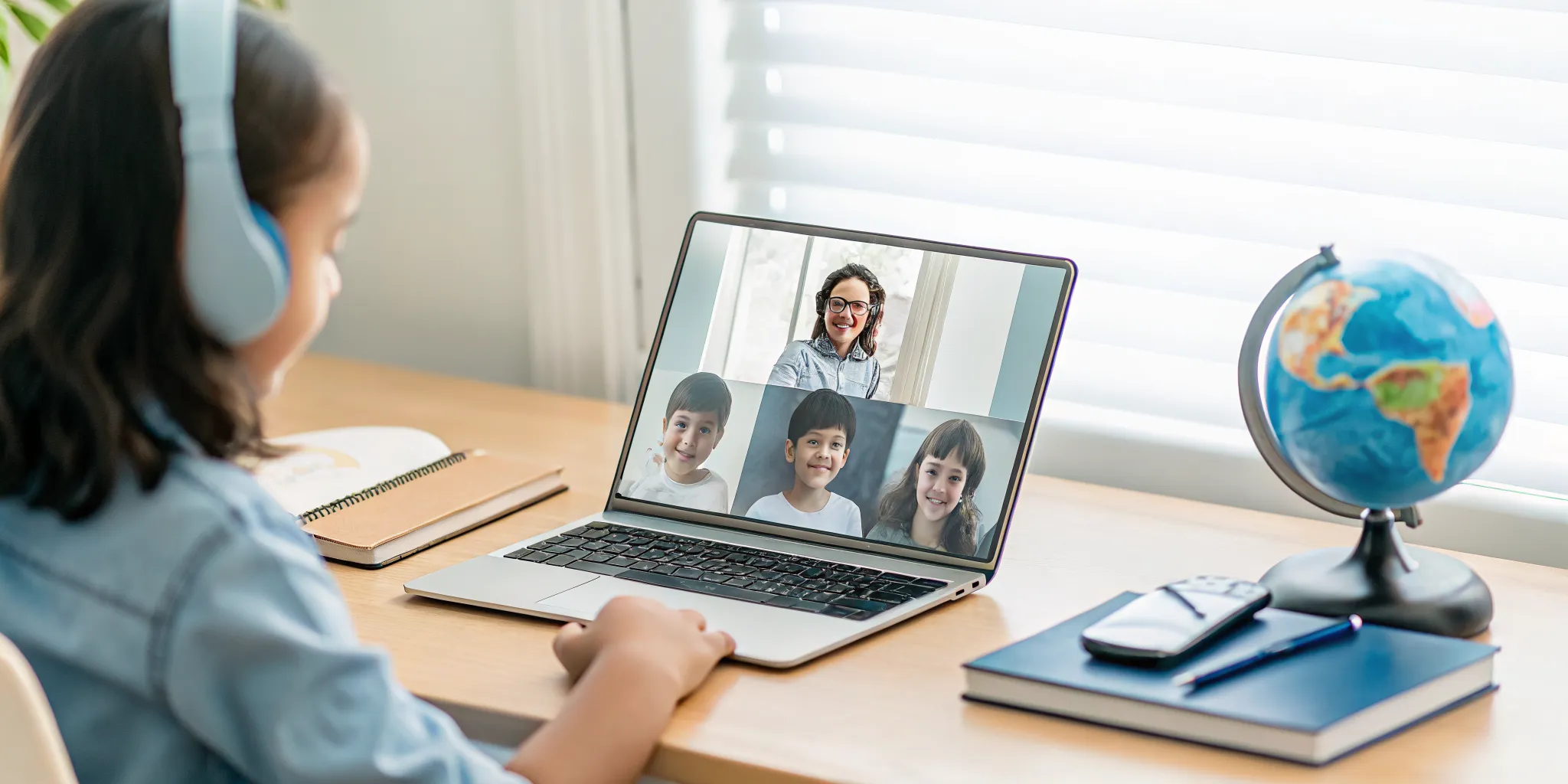
It’s natural to worry that online school might be isolating, especially when your child is already in a new country. However, today’s online learning environments are built for connection. Far from studying alone, students participate in live classes, collaborate on group projects, and can join virtual clubs centered around their interests. These programs are designed to help students build lasting friendships with peers from around the globe. Your child can connect with other students who understand the expat experience, creating a supportive community. This social structure is a core part of the experience, supported by dedicated teachers and staff who facilitate a welcoming and interactive environment for everyone.
Managing Time Zones, Schedules, and Local Rules
Life abroad doesn’t always fit into a neat 9-to-5 schedule. Between dealing with different time zones and wanting to immerse your family in local culture, you need an educational option that bends with you. Online schools offer exactly that flexibility. With options like asynchronous classes, your child can complete their work at a pace and time that suits your family’s routine. This allows them to join local sports teams, take language lessons, or explore their new home without falling behind academically. Many schools also provide access to teachers and support staff across different time zones, so help is always available when you need it, making your international move that much smoother.
What is Accreditation and Why Does It Matter?
When you’re choosing an online school from halfway around the world, the word “accreditation” comes up a lot. So, what does it actually mean? Think of it as a seal of approval. Accreditation is a rigorous review process where an independent agency evaluates a school to ensure it meets high standards for everything from curriculum and teacher qualifications to student support. For your family, this is more than just a technicality; it’s your assurance that your child’s education will be recognized and respected, no matter where your journey takes you next.
Choosing an accredited school means that your child’s credits can be transferred, their transcripts will be accepted, and their diploma holds real value for colleges and universities worldwide. It’s the difference between a valid educational path and a potential dead end. This process confirms that the curriculum is sound, the teachers are qualified, and the school operates with integrity. At Ideal School, we take this seriously, which is why we’ve earned our accreditation through globally recognized bodies. It’s our commitment to providing an education you can trust, giving you peace of mind while you’re living abroad.
Secure Your Child’s Future with an Accredited Diploma
An accredited diploma is your child’s passport to future opportunities. When a school is accredited, it signals to colleges and universities that the student has completed a legitimate and challenging course of study. This is crucial when your child starts applying to universities, whether they plan to attend in the United States or elsewhere. Admissions offices will recognize the diploma, and the credits your child earned will be transferable.
This provides incredible stability for families who move frequently. If you relocate from your current post back to a state like Utah or New Hampshire, an accredited transcript makes the transition into the local school system much smoother. It ensures your child’s hard work is validated, allowing them to continue their education without repeating courses. An American High School Diploma from an accredited online school keeps every door open for your child’s future.
Identifying Reputable Accreditation Bodies
Not all accreditations are created equal, so it’s important to know what to look for. A reputable online school will be accredited by an agency that is officially recognized by the U.S. Department of Education or the Council for Higher Education Accreditation (CHEA). This recognition is key, as it “helps ensure colleges will accept the student’s grades and records.” You should be able to find this information clearly stated on a school’s website.
For example, Ideal School is accredited by Cognia, a non-profit organization that accredits primary and secondary schools throughout the United States and internationally. When you see accreditation from a major, respected agency like this, you can feel confident in the quality of the education. If you ever have doubts, you can visit the accrediting agency’s website to verify the school’s status.
Debunking Myths About Online School Accreditation
One of the most common worries parents have is whether a diploma from an online school will affect their child’s eligibility for college financial aid. Let’s clear this up: if your child is a U.S. citizen and graduates from an online school that holds a recognized U.S. accreditation, they can apply for federal student aid (like grants, scholarships, and loans via the FAFSA) just like any student from a traditional brick-and-mortar school. The accreditation is what makes the diploma valid.
While some forms of aid may have specific residency requirements, the online diploma itself is not a barrier. Furthermore, if federal aid doesn’t cover all the costs, you still have other avenues. As one resource notes, you and your child “might choose to take out a private loan.” The bottom line is that choosing an accredited online school does not put your child at a financial disadvantage when it comes to paying for higher education.
Exploring Online Program Options for Expat Students
One of the best parts about online education is that it’s not a one-size-fits-all solution. For expat families, this flexibility is everything. You can find a program that fits your child’s learning style, your family’s travel schedule, and the unique demands of living abroad. Whether you need a full-time, structured school day or just a single class to supplement your homeschool curriculum, there’s an option that will work for you.
Choosing the right format is key to a successful transition. A structured program can provide stability for a child who thrives on routine, while a self-paced option offers freedom for families who are always on the move. Many accredited online schools, including Ideal School, offer a range of online programs to meet these diverse needs. Let’s look at the most common types so you can find the perfect fit for your family.
Full-Day Programs
A full-day program is designed to be a complete replacement for a traditional brick-and-mortar school. It offers a comprehensive K-12 education with a structured schedule of live classes, assignments, and teacher interaction. This option is perfect for families who want to ensure their child receives a stable, high-quality education, no matter where they are in the world. If you’ve recently moved or plan to move frequently, a full-day program provides the consistency and routine that can help your child feel grounded. It’s a great choice for parents who need a reliable, all-in-one educational solution.
Asynchronous Classes
If your family’s schedule is unpredictable, asynchronous classes offer the ultimate flexibility. In this model, lessons and assignments are provided for your child to complete on their own time. There are no mandatory live sessions, so learning can happen anytime, anywhere. This self-paced structure allows a student to spend more time on challenging subjects or move quickly through material they grasp easily. While the learning is independent, online teachers are still accessible for support and guidance. Ideal School’s asynchronous classes are a fantastic option for families who need to fit school around travel, appointments, or other activities.
Mixed (Synchronous + Asynchronous) Classes
Mixed programs, sometimes called hybrid models, offer the best of both worlds. They combine the structure of live, scheduled classes (synchronous) with the flexibility of self-paced work (asynchronous). This allows students to interact directly with teachers and peers in real-time, fostering a sense of community through collaborative projects and live discussions. At the same time, they can complete other assignments on their own schedule. This balanced approach provides both social engagement and personal freedom, making Ideal School’s mixed classes a popular choice for expat families who want structure without a rigid, full-day schedule.
Supplemental Homeschool Classes
For families who are already homeschooling, supplemental classes can be a game-changer. This à la carte approach allows you to enrich your existing curriculum with specific courses that may be outside your area of expertise. Whether you need an advanced science class, a foreign language course, or an art elective, you can enroll your child in just the subjects they need. This is a great way to add expert instruction to your homeschool plan without committing to a full-time program. These supplemental homeschool classes can fill educational gaps and take some of the teaching pressure off your shoulders.
American High School Diploma Programs
For older students, earning a recognized high school diploma is crucial for their future. Many international online schools offer programs that follow a U.S.-based curriculum and grant an accredited American high school diploma. This is incredibly valuable because a U.S. diploma is widely accepted by universities around the globe, giving your child a broad range of options for higher education. Enrolling in an accredited program ensures that your child’s hard work will be recognized, whether they decide to attend college in the United States or elsewhere. This path provides a clear and respected route to higher education for students living anywhere in the world.
The Benefits of Bilingual Education for Expat Families
Living abroad offers your child a unique gift: the chance to become truly bilingual. This isn’t just about learning a second language; it’s about developing a deeper understanding of the world and their place in it. For expat families, a bilingual education provides a powerful anchor, connecting your child to their heritage while giving them the tools to thrive in their new home. It prepares them for a future where cross-cultural communication is essential.
An online bilingual program makes this possible from anywhere, offering a consistent, high-quality education that moves with you. It addresses both the practical need for academic fluency and the personal need for cultural connection. By learning in two languages, your child gains more than just vocabulary; they develop cognitive flexibility, empathy, and a global perspective that will serve them for a lifetime. This approach supports their academic journey and their personal growth, helping them feel confident and rooted, no matter the location.
Achieving Fluency and Global Competence
True fluency goes far beyond memorizing words. It’s about thinking, problem-solving, and expressing complex ideas in two different languages. A bilingual education helps your child develop this deep linguistic skill, which also strengthens their critical thinking abilities. As they learn to switch between languages, they become more adaptable and creative thinkers. This global competence is a huge advantage in our interconnected world, preparing them for future academic and career opportunities that require a sophisticated understanding of diverse cultures. Our curriculum standards are specifically designed to foster this kind of meaningful, project-based learning and collaboration with peers around the globe.
Enhancing Cultural Awareness and Personal Identity
Expat life is an adventure, but it can also present challenges for children trying to find their footing. A bilingual program can be a wonderful source of stability and connection. It allows your child to maintain a strong link to their own cultural heritage while confidently integrating into a new environment. Learning in a dual-language setting validates their background and gives them a framework for understanding different perspectives. This process strengthens their personal identity and sense of belonging. At Ideal School, we foster a global learning environment where students build lasting friendships and feel part of a supportive community, helping them feel at home anywhere in the world.
Comparing Top Online Schools for U.S. Expats
Choosing an online school for your child is a significant decision, especially when you’re living abroad. You want an education that not only meets high academic standards but also fits your family’s international lifestyle. The good news is that there are several excellent, accredited online schools that cater to expat families. The key is finding the one that aligns with your child’s learning style, your family’s values, and your long-term academic goals. Whether your family is from North Carolina or Utah, a diploma from a properly accredited online school is widely recognized, ensuring a smooth transition to higher education or a return to the U.S. school system.
To help you with your research, let’s look at three popular choices for U.S. expats: Ideal School, International Virtual Learning Academy (IVLA), and Laurel Springs School. Each offers a distinct approach to online learning, and one is likely to be a better match for your child than the others. We’ll compare them based on their core philosophies, curriculum flexibility, and community features. This comparison will give you a clearer picture of what each school provides, helping you make an informed choice that feels right for your family’s journey. Think about what matters most to you: Is it a bilingual environment, a traditional U.S. curriculum, or highly personalized pacing? Your answer will point you toward the best fit.
Ideal School
Ideal School stands out with its unique focus on creating a global learning community through bilingual education. Here, students don’t just passively receive information; they actively engage in meaningful projects and collaborate with peers from around the world. This approach helps them develop the critical thinking skills needed to succeed in an interconnected society. For expat families, one of the most compelling features is the school’s emphasis on community. Ideal School provides a vibrant array of extracurriculars and social opportunities, helping children connect with new friends and feel a sense of belonging, no matter where they are.
International Virtual Learning Academy (IVLA)
International Virtual Learning Academy (IVLA) is a strong choice for families seeking a comprehensive and reliable K-12 education that mirrors U.S. school standards. IVLA offers a full curriculum that is officially recognized and accredited, providing a sense of stability and continuity for students living abroad. A major benefit is its flexibility; the academy allows for various start dates and lets students learn at their own speed. This structure is perfect for families who want a dependable academic path that can still adapt to the unpredictable nature of expat life. IVLA provides a solid foundation for students planning to transition back to the U.S. or apply to American universities.
Laurel Springs School
Laurel Springs School is well-known for its highly personalized approach to education. The school’s greatest strength lies in its flexible pacing and individualized learning plans. This model allows students to take extra time to master a challenging subject or move ahead when they’re ready for a new challenge. This adaptability is especially beneficial for expat families with unique schedules, such as those with children involved in competitive sports or the arts. If your family’s lifestyle requires a school that can truly bend to fit your needs, Laurel Springs offers an educational experience that prioritizes student-centered flexibility and personal growth.
Understanding the Costs of Online School for Expats
Planning your family’s finances for a life abroad involves many moving parts, and your child’s education is a big one. This is true whether you’re moving from North Carolina for the first time or are a seasoned expat family originally from Utah. When you look at online schools, it’s helpful to see the cost as a complete picture. It’s not just about the tuition fee you see on a website; it’s also about the other expenses that come with schooling and the financial aid that can make it more manageable. Thinking through these different pieces will help you create a realistic budget and make a choice that feels right for your family’s future.
Breaking Down Tuition Fees
When you see the price tag for an online school, it’s best to think of it as an investment in your child’s stability and future opportunities. While some traditional international schools can be very expensive, a quality online program provides a consistent, U.S.-based curriculum from anywhere in the world. This means your child receives an education that prepares them for higher learning without interruption. The tuition for an accredited online school covers expert teachers, a structured curriculum, and a recognized diploma. This diploma is key, as it’s accepted by universities globally, giving your student a wide range of choices after graduation.
Budgeting for Extra Expenses
Beyond tuition, there are a few other costs to factor into your budget. You’ll need a reliable computer and high-speed internet, which are the cornerstones of any online learning experience. Depending on the courses your child takes, you might also need to purchase lab kits, art supplies, or specific textbooks. Some families also choose to sign up for extra support, like one-on-one tutoring classes or supplemental courses to explore a special interest. On the flip side, you’ll save money on things like school uniforms, daily transportation, and other fees often associated with brick-and-mortar schools, which can help balance your budget.
Finding Scholarships and Financial Aid
Don’t let the cost of tuition keep you from exploring your options. Many resources are available to help families manage the expense of a private online education. While U.S. federal aid can be complicated for students living abroad, you can find private scholarships specifically for expat or international students. A great first step is to ask the admissions office at schools you’re considering, as they often have information on payment plans or internal scholarships. You can also research financial aid for U.S. students studying internationally to find organizations that offer grants or loans. A little research can go a long way in making a world-class education more accessible.
Choosing the Right Online School: A Checklist
Finding the perfect online school for your child can feel like a huge task, especially when you’re living abroad. You want to be sure you’re making a choice that supports their academic growth and personal well-being. It’s about more than just comparing tuition; it’s about finding a school that aligns with your family’s values and your child’s unique learning style.
This checklist is designed to help you sort through the options and focus on what truly matters. Think of it as your guide to asking the right questions and confidently selecting a school that will help your child thrive, no matter where you are in the world. From curriculum and accreditation to teacher support and community, here are the key areas to examine.
Check for a Rigorous, Aligned Curriculum
The foundation of any great school is its curriculum. You need to ensure the program offers a comprehensive education that meets recognized academic benchmarks. Look for schools with a curriculum that aligns with U.S. standards, as this will make any future transition back to a school in states like Arizona or Utah much smoother. A strong curriculum is designed to challenge students and prepare them for college and beyond.
When reviewing a school, ask how its courses are structured and what curriculum standards they follow. The goal is to find a program that not only helps your child keep pace with their peers back home but also inspires a genuine love for learning. A well-designed curriculum helps expat families overcome the educational gaps that can sometimes arise from moving between different school systems.
Verify Accreditation and Transcript Acceptance
Accreditation is your guarantee of quality. It’s a formal validation from a third-party agency, like Cognia, that certifies a school has met high standards for its academic programs, teachers, and operations. This is not just a nice-to-have; it’s essential. Without proper accreditation, your child’s credits, transcript, and even their diploma might not be recognized by other schools or universities in places like North Carolina or New Hampshire.
Before you enroll, verify the school’s accreditation status. An accredited diploma ensures that your child’s hard work is officially recognized, opening doors to higher education and career opportunities worldwide. Don’t be afraid to ask schools directly about their accreditation and how it benefits students. This single factor can secure your child’s academic future, providing peace of mind for your entire family.
Look for Flexible Learning and Support
One of the greatest advantages of online school is its flexibility. The best programs understand that a one-size-fits-all approach doesn’t work for every student, especially in families managing the complexities of expat life. Look for schools that offer different learning models, such as live, full-day classes or more self-paced asynchronous classes. This allows you to choose a schedule that fits your child’s learning preferences and your family’s routine.
Flexibility should also extend to academic support. Does the school offer plans that allow students to work at their own pace, whether they need extra time on a subject or are ready to move ahead? This adaptability is key for students who are also athletes, artists, or simply thrive with a more customized educational plan. The right program provides the structure of a traditional school with the flexibility your child needs to succeed.
Ensure Teachers are Accessible in Your Time Zone
In an online setting, teachers are the vital link to your child’s learning. They are more than just instructors; they are mentors and guides. It’s crucial to choose a school where teachers are not only qualified but also readily available to help. Ask about how students can connect with their instructors. Can they schedule one-on-one meetings for extra help? What is the typical response time for questions?
For expat families, time zones are a major consideration. A school with a global perspective will have teachers who are accustomed to working with students from around the world and can offer support during hours that work for you. Accessible, dedicated teachers can make all the difference in an online learning environment, ensuring your child feels seen, heard, and supported every step of the way.
Evaluate Opportunities for Community and Engagement
A common question about online school is, “How will my child make friends?” It’s a valid concern, and the best online schools address it head-on by creating vibrant, interactive communities. Look for programs that foster social connection through live group classes, collaborative projects, and virtual clubs. These opportunities allow students to interact with peers from different countries and cultures, which is an incredible benefit for any child.
These interactions help build a sense of belonging and combat the isolation that can sometimes come with living abroad. By connecting with classmates in a full-day program, your child can form meaningful friendships and develop important social skills. A strong school community provides a supportive network that enriches the educational experience, making learning more engaging and fun.
Transitioning Smoothly to Online School Abroad
Moving to a new country is an incredible adventure for the whole family, but it also comes with big adjustments. For your child, having a sense of stability with their education can make all the difference. An online school provides that consistency, offering a high-quality U.S. curriculum from anywhere in the world, but helping your child adapt to this new way of learning is key to their success.
One of the greatest strengths of online education is its adaptability. Instead of a rigid, one-size-fits-all schedule, many programs offer flexible pacing that allows your child to learn when they’re most focused. This is especially helpful when dealing with new time zones or wanting to explore your new home. Programs with mixed classes combine live instruction with independent work, giving your family the structure you need with the freedom you want. This flexibility helps your child ease into their new life without falling behind academically.
Of course, parents often worry about social connection. The great news is that today’s online schools are designed to build community. Through live group classes and collaborative projects, students actively learn and participate with peers from different countries. This creates a unique global classroom where your child can form friendships and develop a broader worldview. To help your child settle in, create a dedicated study space, establish a consistent daily routine, and encourage them to join virtual clubs. These small steps can make their online school feel like a supportive and engaging home base, no matter where you are.
Related Articles
- The Benefits of Online Education for Families – Ideal School
- Online Schooling for Traveling Students: Flexible Learning | Ideal School
- Exploring the Advantages of Online Homeschooling: Flexibility – Ideal School
- Traditional to Online Homeschooling: A Step-by-Step Guide – Ideal School
- Financial Benefits of Homeschooling Online | Ideal School
Frequently Asked Questions
My biggest worry is that my child will feel isolated. How do online schools support social connection? This is such a common and valid concern. The best online schools are designed with community at their core. Instead of learning in isolation, students join live classes where they can see and talk to their teachers and classmates. They work together on group projects and can join virtual clubs based on their interests, from coding to art. This structure helps your child build real friendships with peers from around the world, many of whom share the unique experience of living abroad.
Will colleges and universities actually recognize a diploma from an online high school? Yes, absolutely, as long as the school is properly accredited. Accreditation is the key. It’s a rigorous review process that confirms a school meets high academic standards. When a university admissions office sees a diploma from an accredited online school, they view it as legitimate and valid. This ensures your child’s hard work is recognized and that their credits are transferable, keeping all their future educational paths open.
There are so many program options. How do I know if my child needs a full-day program or something more flexible? Choosing the right format really depends on your child’s personality and your family’s lifestyle. If your child thrives on routine and you want a complete replacement for a traditional school day, a full-day program with a set schedule of live classes is a great choice. However, if your family’s schedule is less predictable or your child works better independently, asynchronous classes offer the freedom to learn on their own time. Many families find a mixed program, which combines live classes with flexible work, provides the perfect balance of structure and freedom.
How does a bilingual education specifically help a child living abroad? A bilingual education is incredibly powerful for expat children because it serves two important purposes at once. First, it strengthens their cognitive skills, like problem-solving and creative thinking. Second, and perhaps more importantly, it helps them build a strong personal identity. Learning in two languages allows your child to stay connected to their own cultural heritage while also giving them the confidence to engage with their new environment. It validates their background and helps them feel rooted, no matter where they are.
What are the most important things I can do to help my child transition smoothly to online learning? A smooth transition often comes down to creating structure and routine. The first step is to set up a dedicated, quiet workspace that is free from distractions. This helps signal that it’s time to focus on school. It’s also helpful to establish a consistent daily schedule, even if the classwork is flexible, so your child knows what to expect each day. Finally, encourage them to participate in the school’s community from day one. Urge them to speak up in class and join a virtual club to start building those important social connections.