

Every parent wants to give their child an edge, a set of skills that will prepare them for a successful future. Beyond standard subjects, what if their education could actively build a stronger, more flexible mind? This is the core promise of a bilingual education. Learning and thinking in two languages strengthens cognitive abilities, enhancing problem-solving skills, focus, and memory. For families looking for a dynamic learning environment, live bilingual classes for children living abroad offer an immersive path to these benefits. This guide explores how this interactive format goes beyond language lessons to fundamentally shape your child’s intellectual development.
Key Takeaways
- Support your child’s growth beyond language: Live bilingual classes are designed to strengthen cognitive abilities like problem-solving and focus, while also building social skills and a broader worldview.
- Focus on the fundamentals of a great program: A quality online school will have official accreditation to validate its curriculum, experienced native-speaking teachers, and small class sizes that allow for individual student attention.
- Select a program that fits your family’s life: Online education provides flexible options, so you can choose a format that works for your schedule and your child’s learning style, from full-day immersion to supplemental classes.
Why Choose Live Bilingual Classes for Your Child Abroad?
Deciding on the right education for your child while living abroad can feel like a huge task, but it’s also an incredible opportunity. Enrolling them in live bilingual classes offers more than just learning a new language; it provides a rich, dynamic experience that supports their growth in many ways. This type of learning environment is uniquely suited for families on the move, providing a consistent, high-quality education whether you’re relocating internationally or moving between states like Arizona and Utah. From building a sharper mind to fostering a deeper connection with the world, the benefits are truly transformative.
Choosing a live online program means your child gets real-time interaction with teachers and classmates, creating a sense of community and routine that can be a comforting anchor in a new place. It’s a way to ensure their academic progress continues uninterrupted, regardless of your location. Whether your family is temporarily in New Hampshire or settling down in North Carolina, a stable educational path is invaluable. This approach goes beyond simple language lessons; it integrates bilingualism into the core of your child’s learning, shaping how they think, interact, and see the world. Let’s look at some of the most significant reasons why live bilingual classes are such a powerful choice for children living abroad.
Sharpen Cognitive Skills Through Bilingualism
One of the most powerful advantages of a bilingual education is how it shapes a child’s developing brain. Research consistently shows that learning and thinking in two languages strengthens children’s cognitive development. This isn’t just about memorizing vocabulary; it’s about building a more flexible and efficient mind. Bilingual children often become better problem-solvers and critical thinkers. They also tend to be more skilled at multitasking and focusing their attention, which are invaluable skills in and out of the classroom. This mental workout enhances their memory and ability to recall information, giving them a solid foundation for all future learning.
Nurture Social and Emotional Growth
Learning in a bilingual setting does wonders for a child’s social and emotional well-being. As they interact with different languages and cultures, children naturally develop sharper thinking habits and a greater sense of empathy. They become more comfortable interacting with diverse groups of people and learn to see the world from multiple perspectives. This is especially helpful for children living abroad, as it equips them with the confidence and social skills to adapt to new environments and build meaningful connections. This emotional intelligence helps them feel more grounded and connected, no matter where they call home.
Foster Cultural Empathy and Global Awareness
Live bilingual classes open a window to the world, helping your child see beyond their immediate surroundings. By learning a second language, they also gain exposure to the social and emotional aspects of another culture. This immersive experience helps them understand and appreciate different traditions, values, and ways of life. In an increasingly connected world, this kind of global awareness is essential. An education that encourages cultural curiosity prepares children to thrive in an interconnected, multicultural world, making them not just bilingual speakers but true global citizens. This is a gift that will serve them well throughout their lives.
Pave the Way for Long-Term Academic Success
The cognitive and social benefits of bilingualism directly translate into better performance at school. Children who receive a bilingual education often develop stronger executive and cognitive function, which includes skills like planning, focusing, and self-control. This leads to improved academic outcomes across all subjects, not just language arts. By building these foundational skills early on, you are setting your child up for long-term success. They will be better prepared for the academic challenges of middle school, high school, and beyond, giving them a distinct advantage in their educational journey.
What to Look for in a Live Online Bilingual Program
Choosing an online school for your child is a big decision, and when you add bilingualism to the mix, it can feel even more complex. How can you be sure a program will deliver a high-quality education and truly help your child become fluent in another language? While every family has unique needs, there are a few non-negotiables that every great live online bilingual program should have.
Think of it as a checklist to guide your search. You’ll want to look for a school with a proven academic foundation, a team of amazing educators, a teaching style that keeps your child excited to learn, and a supportive environment. Focusing on these four key areas will help you cut through the noise and find a program that not only teaches your child a new language but also supports their overall growth and prepares them for a bright future. Let’s walk through what each of these looks like in practice.
Accredited and Standards-Based Curriculum
First things first, let’s talk about accreditation. An accredited program has been reviewed and approved by an official agency, confirming that it meets high educational standards. This is your assurance of quality. For families in the United States, whether in Arizona or Utah, and for those abroad, choosing a school with a recognized accreditation ensures that the diploma your child earns will be respected by colleges and universities worldwide. It also means the credits they earn can more easily transfer if you move. Beyond that, look for a program with a clear, standards-based curriculum. This means the school has a solid plan for what your child will learn in every subject and at every grade level, ensuring a consistent and comprehensive education.
Qualified and Experienced Teachers
A program is only as good as its teachers. In a bilingual setting, it’s not enough for an instructor to simply speak both languages. Great bilingual teachers are trained educators who are fluent in both languages and skilled at making instruction understandable for learners. They know how to use a student’s home language to build a bridge to the new one. When you research a school, check out who makes up their faculty. Look for transparency about their credentials, experience, and passion for teaching. You’re not just looking for an instructor; you’re looking for a mentor who can inspire your child, and the best schools are proud to introduce you to our teachers.
Engaging and Interactive Teaching Methods
How will your child be learning? Watching lectures on a screen all day isn’t an effective or enjoyable way for anyone to learn, especially a young person. The best online programs use dynamic and interactive methods to keep students engaged. Learning two languages builds mental flexibility, and interactive lessons help nurture that skill. Look for programs that incorporate live discussions, group projects, and hands-on activities that make learning feel active and exciting. A school that offers a blend of live instruction and self-paced work, like mixed classes, can also provide the flexibility your family needs while keeping your child connected to their class and teachers.
Small Class Sizes and a Strong Community
In an online classroom, personal connection matters immensely. Small class sizes allow teachers to give each student individualized attention, understand their unique learning style, and provide support exactly when it’s needed. This is a significant advantage over the often-crowded classrooms found in public schools in states like North Carolina or New Hampshire. A smaller group also helps children build stronger connections with their peers. This sense of community is vital, especially for families living abroad. Finding a school where your child feels they belong and where you can connect with other parents creates a support system that makes the entire educational journey more successful and enjoyable, a sentiment often shared in testimonials.
What Types of Live Bilingual Classes Are Available?
Finding the right educational format for your family is just as important as finding the right curriculum. The beauty of online learning is its flexibility. Whether you need a full-time school, a way to enrich your homeschooling, or just some extra language support, there’s a program structure that can fit your life. Let’s explore the most common types of live bilingual classes to see which one aligns with your family’s goals.
Full-Day Online Bilingual Programs
If you’re looking for a comprehensive, structured school experience, a full-day online program is an excellent choice. Think of it as a complete replacement for a traditional brick-and-mortar school, but with the added benefit of bilingual immersion from the comfort of your home. These programs offer a full K-12 curriculum with a set schedule of live, interactive classes every day. This format provides the consistency and routine that helps many children thrive. It’s an ideal solution for families in states like Arizona or Utah who want a complete, accredited education that fully immerses their child in both English and Spanish without the commute.
Supplemental and Homeschool Options
For families who have already embraced homeschooling, supplemental classes can be a game-changer. You can continue to lead your child’s education while bringing in expert instructors for specific subjects, especially language. This approach allows you to enrich your curriculum without needing to be a fluent Spanish speaker yourself. Supplemental homeschool classes offer the flexibility to build a custom schedule that fits your family’s routine. It’s a popular choice for homeschooling families in places like North Carolina and New Hampshire who want to add the cognitive and cultural benefits of bilingualism to their at-home learning plan, ensuring their child receives accredited instruction.
Asynchronous and Mixed-Format Classes
Does your family have a busy or unpredictable schedule? Asynchronous and mixed-format classes are designed for maximum flexibility. Asynchronous learning allows your child to complete lessons and assignments on their own time, at their own pace. A mixed format combines this self-paced work with scheduled live sessions for interaction and support. This blend offers the best of both worlds: independence and community connection. These mixed classes are perfect for families living abroad in different time zones or for students who are highly independent learners and want to move through material at their own speed.
Language Institute and Tutoring
Sometimes, a child needs more focused, one-on-one attention to reach their goals. That’s where a language institute or tutoring comes in. These services provide personalized instruction tailored to your child’s specific needs, whether they’re looking to accelerate their fluency, get extra help in a particular subject, or prepare for an exam. Tutoring classes can strengthen a child’s problem-solving abilities and focus by providing targeted support. This is a fantastic option for any student who would benefit from individualized guidance, helping them build confidence and master challenging concepts in either English or Spanish.
How Do Live Online Bilingual Classes Work?
It’s one thing to know what types of classes are available, but it’s another to picture how they actually function day-to-day. You might be wondering how a virtual classroom can deliver an immersive bilingual experience. It’s a combination of a structured approach, dynamic teaching methods, and a strong school-home connection. Let’s look at how the pieces fit together.
The Live Synchronous Classroom Experience
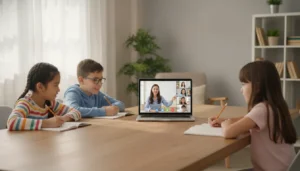
Live synchronous classes are the heart of an interactive online school day. This just means your child joins their teacher and classmates in a virtual classroom in real time. To make sure every student gets the attention they deserve, classes are kept small, often with a maximum of five children. This intimate setting helps students connect, socialize, and feel comfortable practicing their language skills. For a child living in a place like North Carolina or New Hampshire, this format opens up a global community, allowing them to build friendships with peers from different cultures. It’s a core component of programs like mixed classes, which balance live instruction with flexible, self-paced work.
The 50/50 Instructional Model Explained
True bilingualism is about more than just learning a second language; it’s about learning in a second language. Many programs achieve this through a 50/50 instructional model, where students spend half their day learning in one language and the other half in another. For example, a student might have their math and science lessons in Spanish, then switch to English for language arts and history. This approach begins in kindergarten and continues through the elementary years, immersing children in both languages across different subjects. This method is designed to build fluency and biliteracy, ensuring students can think and learn in two languages. The entire academic framework is built on rigorous curriculum standards to support this deep level of learning.
Engaging Children in a Virtual Classroom
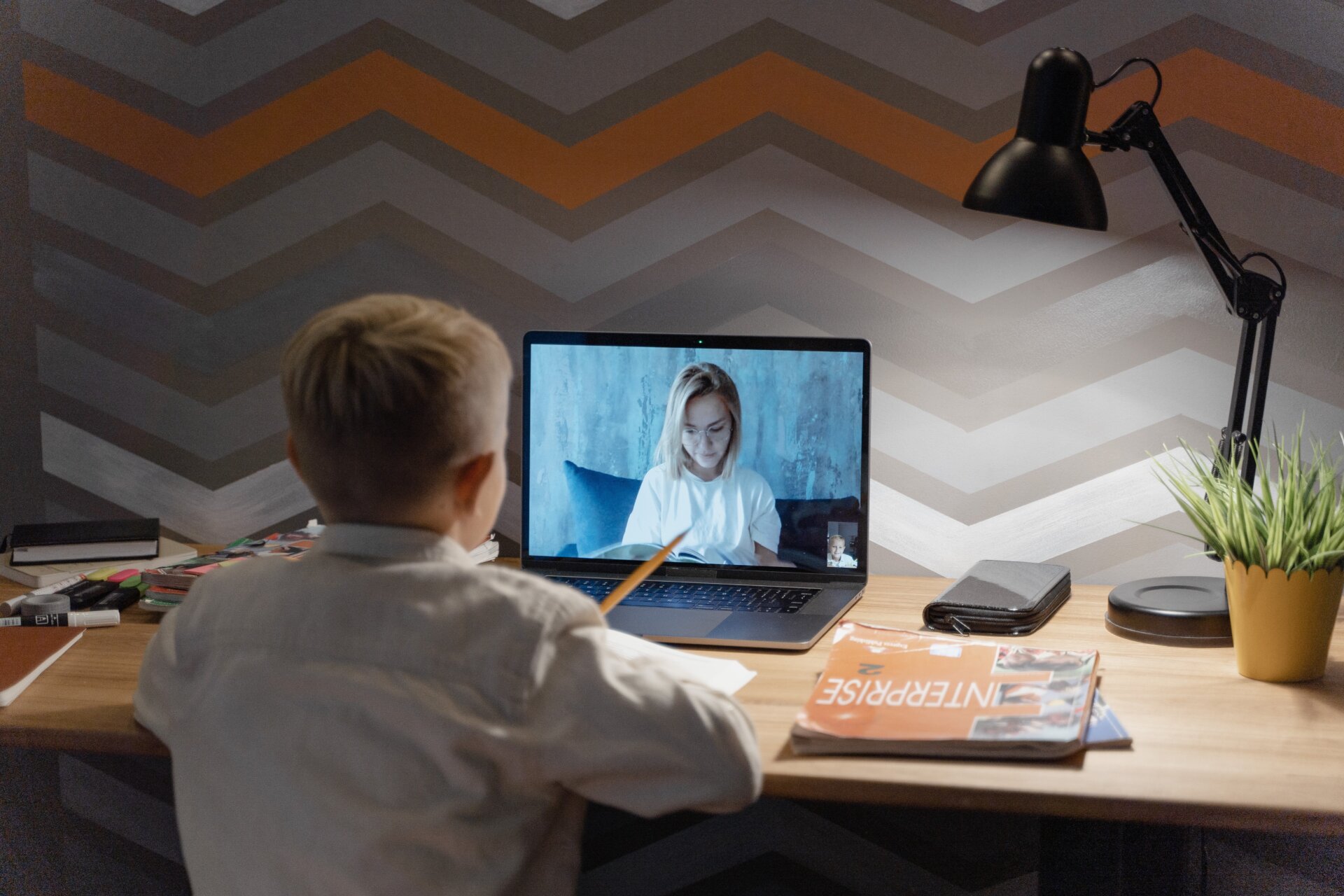
A common concern for parents is whether an online setting can truly hold their child’s attention. The best online teachers are experts at creating a dynamic and participatory environment. Forget passive lectures; these classes are filled with games, songs, stories, and interactive activities that make learning feel like play. An effective teacher can transform a screen into a window to the world, encouraging curiosity and active participation. This is where the quality of the faculty truly shines. Having experienced and passionate teachers who are native speakers is essential for making the virtual classroom a place where children are excited to learn and practice their new language skills every day.
Tracking Progress and Staying Involved
As a parent, you are your child’s biggest advocate, and a good online school will treat you as a partner in their education. You should never feel like you’re in the dark about your child’s progress. Reputable programs provide clear and consistent communication, including regular progress updates and direct access to teachers for support and guidance. Many schools also offer supplemental resources, like guided video activities and monthly learning materials, to help you support your child’s learning at home. This collaborative approach ensures you stay involved and informed, giving you confidence that your child is thriving. You can often see the results of this partnership in parent testimonials that speak to a strong sense of community and support.
Is an Accredited Online Bilingual School Worth It?
When you’re exploring online education, especially for something as specialized as a bilingual program, the question of value is always top of mind. You want to know if your investment will truly pay off for your child’s future. One of the most important factors in this equation is accreditation. It’s the official seal of approval that separates a rigorous academic institution from a less structured program. For families in states like Arizona and Utah, where educational options are plentiful, understanding accreditation helps you make a confident choice.
What Accreditation Means for Your Child’s Future
Think of accreditation as a promise. It’s an official recognition that a school meets high standards for quality and educational effectiveness. For parents, this provides peace of mind, assuring you that your child is receiving an education that will be respected and recognized by other schools, colleges, and universities. This is especially important in an online setting. An accredited program ensures that the curriculum is sound, the teachers are qualified, and the school is committed to continuous improvement. This recognition is crucial when your child transfers schools or, down the road, applies for higher education, as it validates the quality of their learning experience.
The Role of Cognia Accreditation in College Admissions
When it comes to college applications, every detail matters. Attending a school with a reputable accreditation, like one from Cognia, can give your child a real advantage. Cognia is a globally recognized nonprofit that holds schools to rigorous standards. For admissions officers reviewing applications from students in North Carolina or New Hampshire, seeing a diploma from a Cognia-accredited school signals that the student has completed a challenging and high-quality academic program. It demonstrates that their school is committed to educational excellence, which can strengthen their application and give them a competitive edge in the admissions process. It’s a powerful endorsement of your child’s hard work.
Finding the Right Live Bilingual Program Abroad
Finding the perfect educational fit for your child can feel like a huge task, especially when you’re looking for a bilingual program while living abroad or planning a move. The great news is that with online learning, your location is no longer a barrier. Whether your family is in Arizona, Utah, North Carolina, or even living overseas, you have access to world-class education. The key is knowing what to look for and how to compare your options effectively so you can make a choice with confidence.
Instead of getting overwhelmed by the sheer number of choices, it helps to reframe the search. Think of it as a matching game. You’re looking for a school that aligns with your family’s values, your child’s learning style, and your long-term academic goals. This means going beyond the homepage and looking closely at the school’s structure, teaching philosophy, and community. A school’s mission and values can tell you a lot about the experience your child will have day-to-day. By breaking down the process into smaller, manageable steps, you can confidently choose a program that will help your child thrive both academically and personally, no matter where you are in the world.
Ideal School: A Closer Look
When you start exploring options, Ideal School is a name that stands out. It’s the only two-way dual-language immersion online school for grades K-12, offering live daily classes in both English and Spanish. This approach creates a truly immersive environment where students don’t just learn a language; they learn in a language. What’s especially reassuring for parents is that the school holds a Cognia accreditation, a rigorous quality standard recognized worldwide. This ensures that the education your child receives is not only bilingual but also academically sound and respected by colleges and universities. It’s a powerful combination of linguistic immersion and educational excellence.
Key Factors to Compare When Reviewing Programs
As you evaluate different schools, it helps to have a clear checklist. A quality bilingual program is built on more than just language instruction. Look for a well-defined program structure that includes primary language support and content-area instruction that makes complex subjects accessible in both languages. Also, consider the program’s design. The best programs give equal weight and status to both languages, creating a balanced environment where your child can become truly bilingual and biliterate. This intentional approach is what cultivates the cognitive benefits of bilingualism, like stronger problem-solving skills and better focus, setting your child up for success.
Understanding the Cost of Live Bilingual Classes
Investing in your child’s education is one of the most important decisions you’ll make, and understanding the costs is a key part of that process. When you look at live bilingual programs, you’re not just paying for language lessons; you’re investing in a comprehensive educational experience that can shape your child’s future. The price tag reflects everything from expert teachers to an accredited curriculum and interactive technology. Let’s break down the common costs so you can find a program that fits your family’s budget and educational goals.
Tuition Structures and Flexible Payments
Most online schools offer a few different ways to handle tuition, giving you the flexibility to choose what works best for your family’s finances. You’ll often find options to pay for a full semester upfront, which can sometimes include a discount, or you can opt for monthly payment plans to spread the cost out over time. This flexibility is designed to make quality education accessible. Before enrolling, take a look at the school’s tuition page, which should clearly outline all costs, payment schedules, and any available financial aid or scholarships. This transparency helps you plan accordingly and avoid any surprises down the road.
What Program Fees Typically Include
When you see the tuition fee, it’s helpful to know what’s included. A quality program’s cost covers much more than just the live class time. Fees typically include access to a full range of learning materials like digital storybooks, interactive games, and assignments. The cost also supports the school’s curriculum standards, ensuring the content is effective, engaging, and up-to-date. Most importantly, tuition pays for highly qualified, native-speaking teachers and the technology platform that makes learning from anywhere possible. It’s a complete package designed for a rich and supportive learning environment.
Drop-In Classes vs. Full Enrollment
Schools may offer different enrollment models to fit various schedules and commitment levels. Full enrollment usually means signing up for a complete semester or school year, which provides consistency and a stable learning community for your child. This is the best option for steady progress. Some programs, however, might offer drop-in classes or shorter-term workshops. These can be great for testing out a program or for families who need more flexibility. Many schools also have fair make-up policies for missed classes, understanding that life happens. Exploring options like supplemental homeschool classes can also provide a balance between structure and flexibility.
How to Evaluate the Value of a Program
While the price is an important number, the true value of a bilingual program goes far beyond the cost. Think of it as an investment in your child’s cognitive and social development. Research consistently shows that bilingual education offers significant benefits, from improved problem-solving skills to greater cultural empathy. When you evaluate a program, consider the long-term advantages. Will it open doors to future academic and career opportunities? Does it provide your child with a global perspective and the confidence to connect with others? The right program delivers value that will benefit your child for a lifetime.
What Makes a Great Online Bilingual Teacher?
A fantastic curriculum and cutting-edge technology are important, but the heart of any great classroom is the teacher. In an online bilingual setting, the right educator does more than just teach a language; they create a vibrant, supportive space where your child can thrive. They are a guide, a mentor, and a crucial link to a new language and culture. When you’re evaluating programs, understanding the qualities of an exceptional online teacher will help you make the best choice for your family.
Credentials and Native-Speaker Fluency
When it comes to language learning, fluency is non-negotiable. A great online bilingual teacher should have native or near-native proficiency in the language they teach. This ensures your child is learning authentic pronunciation, grammar, and cultural nuances from the very beginning. Beyond language skills, look for professional credentials. Our teachers, for example, are certified educators with bachelor’s degrees and real-world classroom experience. They aren’t just fluent speakers; they are trained professionals who are passionate about education and skilled in making learning a joyful experience for young minds. This combination of fluency and formal training is what sets a truly effective teacher apart.
Effective Virtual Teaching Methods
Teaching online requires a special set of skills. A great virtual teacher knows how to hold a child’s attention through a screen using dynamic and interactive methods. This goes beyond simply lecturing. They incorporate games, songs, stories, and digital tools to make lessons engaging and memorable. An effective educator also knows how to make complex subjects accessible. They might use a technique called “sheltering,” where they simplify vocabulary and speak at a clear, steady pace to ensure every child understands the material without sacrificing academic rigor. These methods, grounded in a strong curriculum, transform the virtual classroom into an exciting and effective learning environment.
The Impact of Small Group Instruction
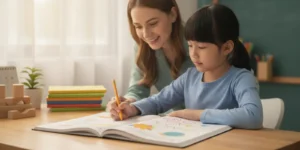
In an online setting, class size matters immensely. A great teacher’s impact is amplified in a small group, where they can provide personalized attention to each student. With fewer children in a class, your child has more opportunities to speak, ask questions, and interact directly with their teacher and peers. This fosters a strong sense of community and helps children build confidence in their new language skills. Small group instruction, like that found in our tutoring classes, also allows teachers to tailor their approach to individual learning styles and paces. This supportive environment not only accelerates language acquisition but also helps nurture social skills like empathy and collaboration.
How to Choose the Right Program for Your Family
Choosing an online school is a big decision, and finding the perfect fit means looking at the whole picture: your child’s personality, your family’s schedule, and your long-term goals. It’s not just about finding a program; it’s about finding a community and an educational approach that feels right. When you’re exploring bilingual education, you’re giving your child a powerful tool for their future. The key is to find a program that aligns with your values and meets your child where they are. Let’s walk through some of the most important factors to consider so you can make a choice with confidence.
Key Questions to Ask Before Enrolling
Before you enroll, it’s helpful to think about what you want your child to gain from a bilingual education. Decades of research show that learning in two languages strengthens cognitive development and supports academic achievement. With that in mind, ask yourself what your educational goals are. Are you looking for fluency, cultural exposure, or a cognitive edge for your child? Look for a program with a curriculum that is both well-rounded and accredited, as this ensures a high standard of education that is recognized by colleges and universities. The evidence is clear: bilingual education is a benefit for young learners, setting them up for success in and out of the classroom.
Match the Program to Your Child’s Learning Style
Every child learns differently, so the best program is one that complements their unique personality and style. Does your child thrive on a predictable schedule, or do they prefer to learn at their own pace? Answering this can help you decide between a structured, full-day program and more flexible options. Bilingualism is known to sharpen thinking habits in steady, noticeable ways, improving skills like problem-solving and focus. Consider whether your child would do best with live, interactive classes, independent asynchronous classes, or a mix of both. The right environment will help these cognitive benefits flourish naturally.
Consider Scheduling and Time Zones
For families living abroad or juggling busy schedules, logistics are everything. The beauty of online learning is its flexibility, but you still need a program that works for your daily life. Whether you’re in Arizona, Utah, North Carolina, or New Hampshire, finding a school that accommodates your time zone is essential for a smooth experience. Look for programs that offer a variety of class times or self-paced options. For example, mixed classes can provide the perfect balance, combining live instruction with assignments your child can complete on their own time. This adaptability makes it possible to access a world-class education from anywhere.
What Support Can Parents Expect?
Choosing an online school means you’re not just a parent; you’re a partner in your child’s education. A great program won’t leave you to figure things out on your own. Instead, it will offer a strong support system designed to keep you informed, involved, and confident in your child’s progress. From direct lines of communication to a wealth of resources, here’s the kind of support you should expect.
Direct Access to Teachers
A strong parent-teacher relationship is the backbone of a successful learning experience. You should expect to have direct access to your child’s teacher to ask questions, share concerns, and receive personalized guidance. This open line of communication ensures that you are always in the loop and can work together to address any challenges that come up. This connection is vital for creating a supportive and nurturing environment where your child can thrive, whether you’re living abroad or in states like Arizona or North Carolina.
Connecting with a Global Community
Bilingual education is about more than just language; it’s about connection. A quality online program prepares your child to engage with people from diverse backgrounds by fostering a global community. Look for schools that facilitate connections between families through virtual events, student clubs, and collaborative projects. These opportunities help your child build social skills and cultural awareness, making friends with peers from around the world. It’s a unique chance for them to develop a genuine appreciation for different perspectives and cultures.
Resources for At-Home Learning
Your role in supporting your child’s education at home is crucial, and the right program will equip you for it. You can expect to receive resources like guided daily activities, instructional videos, and monthly learning materials. These tools are designed to reinforce what children are learning in their live classes, creating a seamless educational experience between the classroom and your home. This support empowers you to take an active role in your child’s learning journey without needing to be an expert educator yourself.
Regular Progress Updates
Staying informed about your child’s academic journey is essential. A transparent program will provide regular and detailed progress updates. This often includes monthly reports and parent guides that help you track their child’s development and understand their strengths and areas for growth. These updates give you a clear picture of how your child is doing and provide actionable insights into how you can best support them. Consistent feedback ensures there are no surprises and helps you celebrate their achievements along the way.
Related Articles
- Benefits of Being Bilingual for Kids | Ideal School
- Guide to Accredited Online Bilingual Elementary Schools
- Importance of Bilingual Education: 5 Reasons | Ideal School
- Bilingual Elementary School – Dual Language | Ideal School
- How to Raise a Bilingual Child in a Monolingual Home
Frequently Asked Questions
What if we don’t speak the second language at home? Can I still support my child’s learning? Absolutely. You don’t need to be a fluent speaker to be a supportive partner in your child’s education. A great bilingual program is designed to provide all the language immersion and instruction your child needs. Your role is to be their biggest cheerleader. You can support them by showing enthusiasm for their learning, asking them to teach you new words, and using the at-home resources the school provides, like guided activities and storybooks.
How can an online class provide the same level of immersion as a traditional classroom? It’s a common question, and the answer lies in the program’s design. True immersion comes from consistent, high-quality language exposure, which a well-structured online program can deliver effectively. Through methods like the 50/50 instructional model, where core subjects are taught in both languages, and small, live classes with native-speaking teachers, your child is actively using the language to think and learn. This focused, interactive environment can be just as powerful as a physical classroom.
My child is very active. Will they be able to focus in a virtual classroom? This is a valid concern for many parents. The best online programs are built with young learners in mind and are far from passive. Teachers use a variety of engaging techniques, including songs, interactive games, and even movement breaks, to keep children actively involved. The small class sizes also mean teachers can give each child personal attention, ensuring they stay connected to the lesson and their classmates. It’s less about sitting still and more about active participation.
What’s the real benefit of an accredited program? Accreditation is your assurance of quality and credibility. It confirms that a school meets high academic standards, from its curriculum to its teachers. For your child, this means the diploma they earn will be recognized and respected by colleges and universities around the world. It also simplifies the process of transferring credits if your family moves, whether it’s to another state like Arizona or to a new country. It’s a crucial factor that validates the rigor of your child’s education.
How do I know which program format is right for my family? The best format depends on your family’s needs and schedule. If you’re looking for a complete school experience with a consistent daily routine, a full-day program is a great choice. For homeschooling families who want to add expert language instruction, supplemental classes offer targeted support. If your schedule is unpredictable or you live in a different time zone, a mixed format combining live sessions with self-paced work provides valuable flexibility. Consider your goals and daily life to find the perfect match.

Written by
Eric C. Franzen
Eric C. Franzen is co-founder and owner of Ideal School, with 20+ years of experience as an educational leader and entrepreneur. He holds a BA in Education from the University of Washington and an MA in Educational Administration from Seattle Pacific University.
View LinkedIn Profile →