


Every child has a unique way of learning. Some grasp concepts quickly and need to be challenged, while others need more time to explore a topic before moving on. In a traditional classroom of 25 students, it’s nearly impossible to cater to every individual need. This is why so many parents are turning to a more personalized approach. Online homeschooling puts your child at the center of their education, allowing them to learn at a pace that builds confidence and deep understanding. When learning is tailored to their interests and abilities, they develop a genuine passion for discovery. A West Virginia flexible online homeschool curriculum allows you to provide an education that truly fits your child, nurturing their strengths and supporting their growth.
Key Takeaways
- Design an education that fits your life: A flexible online program allows you to create a schedule based on your child’s learning style and your family’s needs, moving beyond the rigid structure of traditional school.
- Know the difference between online school types: Your main choices are accredited private schools, state virtual schools, and independent curricula; each offers a different balance of cost, structure, and customization.
- Prepare your home for a smooth start: A successful transition involves more than just technology; focus on creating a dedicated learning space and connecting with your school’s support team and other homeschooling families.
What Is Flexible Online Homeschooling in West Virginia?
If you’re exploring educational alternatives in West Virginia, you’ve likely come across the term “flexible online homeschooling.” This approach blends the freedom of traditional homeschooling with the structure and support of a formal school. It’s a path many families are choosing because it offers a personalized education that can adapt to a child’s unique learning style, pace, and interests. Instead of feeling the pressure to build a curriculum from the ground up, you partner with an established online school that provides the teachers, lesson plans, and academic framework.
This model gives your family the ability to learn from anywhere with an internet connection, whether that’s your home in Charleston or while traveling. It removes the burden of being the sole educator and instead allows you to be a supportive learning coach for your child. You get the benefit of a professionally designed curriculum and certified teachers, all while maintaining the flexibility to shape your child’s daily schedule and learning environment. It’s about finding a balance that gives your child a high-quality, accredited education without sacrificing the lifestyle and values that are important to your family. You get the best of both worlds: educational excellence and family freedom.
How It Works: The Basics
So, what does a typical day look like? With flexible online homeschooling, your child logs into a digital platform to access their lessons, assignments, and learning materials. The format is usually a mix of live online classes with teachers and classmates, self-paced lessons they can complete on their own schedule, and hands-on projects away from the screen. This variety keeps learning engaging and helps children develop both independent study habits and collaborative skills. Certified teachers guide the learning process by leading classes, providing feedback on assignments, and offering one-on-one support when needed. It’s a complete school experience, delivered in a way that fits into your life.
Meeting West Virginia’s Homeschool Rules
One of the best parts about choosing an accredited online program is that it can simplify how you meet West Virginia’s homeschooling requirements. The state gives families the freedom to design an education that fits their child, and partnering with an online school is a straightforward way to do that. These programs provide a structured curriculum that aligns with educational standards, taking the guesswork out of lesson planning and record-keeping. This allows you to focus on your child’s progress and passions. The choice ultimately comes down to what works for your family and your capacity to manage your child’s learning, but an online program provides a ready-made framework for success.
Exploring Your Online Homeschool Options in West Virginia
Once you decide to homeschool in West Virginia, the next step is figuring out how you want to do it. Online learning offers incredible flexibility, but not all programs are the same. Your main choices fall into three categories: accredited private schools, state-sponsored virtual public schools, and independent curriculum packages. Each path offers a different level of structure, parent involvement, and customization. Understanding these differences will help you find the perfect fit for your family’s needs and your child’s learning style.
Accredited Private Schools like Ideal School
This option offers the flexibility of homeschooling with the structure and support of a traditional school. Accredited private schools like Ideal School provide a complete curriculum taught by experienced teachers, ensuring your child meets high academic standards. This is especially helpful for college preparation later on. Many programs, including our supplemental homeschool classes, offer unique opportunities like dual-language immersion. This approach connects your child with educators and students from around the globe in a dynamic online classroom, providing a world-class education from the comfort of home.
State-Sponsored Virtual Public Schools
If you’re looking for a tuition-free option that mirrors a public school’s structure, a state-sponsored virtual program could be the right choice. These are public schools that operate entirely online, following the state’s curriculum and standards. Your child will be taught by West Virginia-certified teachers and have a set schedule with assignments and deadlines. This path is ideal for families who want built-in academic support and a clear educational framework without designing the curriculum themselves. The state’s Department of Education website lists all approved virtual school programs available to families.
Independent Curriculum Packages
For families who want maximum control over their child’s education, independent curriculum packages offer the most flexibility. With this approach, you purchase a pre-packaged curriculum and act as your child’s primary teacher. You can tailor lessons to your child’s interests, pace, and learning style for a truly personalized experience. While you are in charge, you aren’t completely on your own; these programs provide all the materials, lesson plans, and tools you need. This option is perfect for parents who want to be deeply involved in daily instruction. Organizations like the West Virginia Home Educators Association are great for finding curriculum reviews.
Understanding the Costs of Online Homeschooling
One of the first questions that comes up when exploring online learning is about the cost. The financial side of online homeschooling can vary quite a bit, depending on the path you choose for your family. Your options generally fall into two main categories: tuition-free public programs and tuition-based private schools. Each has a different cost structure and offers a unique set of benefits.
Thinking through the finances ahead of time helps you find a program that not only fits your child’s educational needs but also aligns with your family’s budget. It’s about more than just tuition; you’ll also want to consider the costs of curriculum, technology, and other learning materials to get a complete picture. This way, you can make an informed decision without any financial surprises down the road.
Tuition-Free vs. Tuition-Based Programs
In states like Arizona and North Carolina, you’ll find tuition-free online public schools. These are state-funded programs that operate as part of the public education system, so there’s no direct cost for enrollment. They provide a set curriculum and state-certified teachers, making them an accessible option for many families.
On the other hand, tuition-based programs are private online schools that charge for their services. These schools often provide a more specialized or flexible experience, such as a bilingual curriculum, smaller class sizes, or a unique educational philosophy. The tuition for these programs covers the cost of accredited instruction, a robust learning platform, and dedicated teacher support, giving you a comprehensive and tailored educational package.
Budgeting for Books, Tech, and Other Fees
Whether you choose a tuition-free or tuition-based program, you’ll want to budget for some additional expenses. Homeschooling costs can range from a few hundred to a couple of thousand dollars per year for each child, covering everything from books and supplies to technology and activities.
Your budget should account for essentials like a reliable computer and high-speed internet access. You may also need to purchase specific textbooks, workbooks, or supplies for hands-on projects, especially for science and art. It’s also a good idea to set aside funds for extracurriculars, field trips, or local co-op classes to enrich your child’s social and academic life. Understanding the full curriculum standards of a program can help you anticipate what materials you’ll need.
Creating a Schedule That Works for Your Family
One of the most significant advantages of online homeschooling is the ability to craft a learning schedule that truly fits your family’s life. Instead of arranging your days around a rigid school bell, you can design a routine that accommodates your child’s energy levels, your work schedule, and other family commitments. This flexibility allows you to create a more balanced and less stressful educational environment right at home, turning learning into a natural part of your day rather than a source of conflict.
Think about it: maybe your child is a morning person who is most alert and ready to tackle challenging subjects like math or science right after breakfast. Or perhaps they are a creative night owl who does their best work in the afternoon. With online homeschooling, you can align their lessons with their natural rhythms, maximizing their focus and retention. This personalized approach also opens up valuable time for other enriching activities. You can schedule sports, music lessons, volunteer work, or even family travel without worrying about attendance policies. You have the power to build a school week that not only meets West Virginia’s educational requirements but also nurtures your child’s unique interests and supports your family’s well-being. It’s about making education work for you, not the other way around. This shift from a one-size-fits-all model to a tailored experience can be transformative, helping your child develop a genuine love for learning.
The Freedom of Self-Paced Learning
Self-paced learning is a game-changer for many families. It means your child can move through their coursework at a speed that makes sense for them. If they grasp a math concept quickly, they can move on without waiting for the rest of a class. If they need more time to really understand a historical event, they can take it without feeling rushed or left behind. This approach empowers students to take ownership of their education. As Ideal School notes, this model allows students to “dictate their learning rhythms, empowering them to progress at a pace that suits their individual needs and abilities.” Our asynchronous classes are designed around this very principle, giving your child the space to learn deeply and build lasting confidence.
Live Classes vs. On-Demand Lessons
When exploring online options, you’ll often see a choice between live classes, which are synchronous, and on-demand lessons, which are asynchronous. Live classes happen in real-time with a teacher and other students, offering the structure and direct interaction you’d find in a traditional classroom. They are great for immediate feedback and collaborative projects. On-demand lessons are pre-recorded, so your child can access them anytime. This offers the greatest flexibility, as learning can happen whenever and wherever it’s convenient. Many families in West Virginia find that a combination of both works best. Live sessions can provide community and direct support, while on-demand lessons allow for a self-directed pace that fits a busy schedule.
Finding the Right Mix for Your Child
So, how do you choose the right path for your child? The best approach depends entirely on their needs and your family’s lifestyle. A student who thrives on social interaction and a predictable routine might do well with a schedule centered around live classes. An independent learner who likes to manage their own time might prefer the freedom of on-demand lessons. Many programs, including Ideal School, offer mixed classes that blend live instruction with self-paced work to give you the best of both worlds. Ultimately, as you consider your options, think about your child’s personality, their learning preferences, and your own capacity to guide their studies. The goal is to find a balance that keeps them engaged, motivated, and genuinely excited about learning.
Public Virtual School vs. Independent Program: What’s the Difference?
When you start looking at online schooling options, you’ll quickly see two main paths emerge: state-sponsored virtual public schools and independent online programs. While both allow your child to learn from home, they offer very different educational experiences. Public virtual schools are essentially the online version of your local public school. They are tuition-free for state residents and follow a curriculum that aligns with state standards and testing requirements. It’s a structured path that closely mirrors what children would experience in a traditional classroom, with set schedules and assignment deadlines.
On the other hand, independent programs, like Ideal School, are private schools that provide their own accredited curriculum. This often opens the door to more specialized offerings, like a fully bilingual education, and a more global perspective. The best choice for your family really comes down to what you value most in your child’s education. Do you prefer a pre-set curriculum, or do you want the freedom to customize? How important is a flexible schedule that can accommodate travel, appointments, or extracurriculars? Answering these questions will help you decide which model is the right fit for your family’s lifestyle and your child’s learning needs.
Teacher Involvement and Support
In a public virtual school, your child will be taught by state-certified teachers, often through a mix of live online classes and independent work. These programs usually have structured academic support, with teachers available during set hours for one-on-one help or small group tutoring. It’s a system that mirrors traditional schooling, just in a virtual setting.
Independent programs also feature highly qualified and experienced teachers, but the support structure can be more personalized. Because these programs aren’t tied to state requirements, they can offer more flexible interaction. For example, you might find more opportunities for one-on-one mentoring that fits your family’s schedule, or teachers who specialize in bilingual education and can provide tailored language support.
Curriculum Flexibility and Customization
This is where you’ll find one of the biggest differences. Public virtual schools use a set, state-approved curriculum. While this provides a clear, structured path, it leaves little room for deviation. Your child will have assignments with firm due dates and will progress through the material at a pace set by the school.
An independent program gives your family control over your child’s learning journey. You can choose a path that aligns with your child’s interests, learning style, and your family’s schedule. For instance, asynchronous classes allow your child to work through lessons at their own pace, which is perfect for students who are advanced in one subject or need extra time in another. This flexibility allows you to build an education that truly fits your child.
How Your Child’s Progress Is Measured
Accountability looks different in each setting. Public virtual schools measure progress in ways that are very similar to brick-and-mortar schools. Expect regular assignments, tests, and state-mandated standardized testing to track your child’s performance against state benchmarks. The school year is often structured with traditional semesters and grading periods.
Independent programs have more freedom in how they assess learning. While a quality accredited program will have rigorous standards, assessments might go beyond traditional tests. Progress can be measured through project-based assignments, portfolios, and detailed instructor feedback that focuses on mastery of concepts rather than just a letter grade. This approach can provide a more holistic view of your child’s understanding and skills.
Common Myths About Online Homeschooling
When you’re considering a different educational path for your child, it’s natural to have questions. The world of online homeschooling is full of information, and unfortunately, some of it is just plain wrong. Many parents in places like West Virginia, North Carolina, and Utah worry about the same things: academic rigor, social life, and cost. It’s easy to get tangled up in misconceptions.
Let’s clear the air and look at some of the most common myths about online homeschooling. Understanding the reality behind these assumptions can help you make a confident and informed choice for your family. The truth is, modern online education is a robust and dynamic option that offers incredible benefits. By separating fact from fiction, you can see the full picture of what a flexible, high-quality online education truly looks like.
Myth: It’s Not as Challenging as Traditional School
A common worry is that learning from home means a less rigorous education. Many people assume the curriculum won’t be as demanding as what’s offered in a traditional school setting. However, that’s far from the truth. Accredited online schools are committed to providing a comprehensive education that meets, and often exceeds, state requirements. For example, our curriculum standards are designed to challenge students and prepare them for future success. The flexibility of an online program doesn’t mean a lighter workload; it means the learning is tailored to your child’s pace and style, ensuring they truly master each subject before moving on.
Myth: Children Miss Out on Socialization
The “socialization” question is probably the biggest myth of all. The idea that children learning online are isolated is outdated. In reality, a flexible school schedule frees up more time for genuine social engagement. Your child can join local sports teams, art classes, volunteer groups, and community events in West Virginia or wherever you call home. Plus, many online programs, including our full-day program, incorporate live classes and group projects where students collaborate and build friendships with peers from around the world. Social skills are built through a variety of interactions, not just in a crowded classroom.
Myth: It’s Too Expensive or Complicated
Many families assume that a private online education is financially out of reach or that managing it will be too complex. While some options can be costly, there’s a wide range of programs available to fit different budgets. It’s worth exploring the tuition structures of different schools, as many offer flexible payment plans. Furthermore, a structured online program can actually simplify your life. Instead of building a curriculum from scratch, you get a complete, expertly designed educational plan, along with support from qualified teachers. This framework gives you the freedom to focus on supporting your child’s learning journey without having to be the expert on every subject.
Finding Support for Your Homeschool Journey
One of the best parts of homeschooling is the independence it offers, but that doesn’t mean you have to figure everything out on your own. A strong support system can make all the difference, providing you with resources, encouragement, and a sense of community. Whether you’re looking for curriculum advice, technical help, or just a connection with other families who get it, there are plenty of places to turn. Building this network is a key step in creating a sustainable and enjoyable homeschooling experience for both you and your child.
From state-level organizations to the built-in support of an online program, you have access to a wide range of resources. Many families find a mix of online groups and local meetups works best. These communities offer practical advice on meeting state requirements, share tips on what learning materials work well, and provide a space for children to connect with peers. Tapping into these networks helps you feel more confident in your role as a home educator and enriches your child’s learning journey. Remember, you’re joining a large and welcoming community of families who have chosen a similar path.
West Virginia Educational Resources
In West Virginia, you’ll find a variety of resources designed to help homeschooling families succeed. The West Virginia Home Educators Association (WVHEA) is an excellent starting point for understanding state laws, finding local support groups, and attending events. Many public libraries also offer programs and resources specifically for homeschoolers, creating opportunities for learning and community building. These local connections can be invaluable for finding co-ops, field trip groups, and extracurricular activities. Exploring these state-specific resources helps you stay informed and connected to the broader homeschooling community right in your area.
Getting Academic and Tech Help
When you choose an online school, you’re not just getting a curriculum; you’re gaining a full support team. Programs like Ideal School provide access to accredited teachers who can answer questions, offer guidance, and monitor your child’s progress. This structure removes the pressure of being the sole expert on every subject. Many online platforms also come with built-in technical support to help you with any platform-related issues, ensuring learning stays on track. This combination of academic and technical assistance means you always have a professional resource to turn to whenever you need help.
Connecting with Other Homeschool Families
Finding your tribe is essential. Connecting with other homeschooling families provides emotional support and creates valuable social opportunities for your child. Look for local West Virginia homeschool groups on social media or through state organizations. These groups often organize park days, educational co-ops, and volunteer opportunities that allow children to learn and play together. Online forums and communities associated with your chosen curriculum can also be a great place to exchange ideas and share experiences with parents from all over. These connections help combat feelings of isolation and make your homeschooling journey feel like a shared adventure.
What You’ll Need to Get Started
Making the switch to online homeschooling can feel like a big step, but getting your home ready is probably more straightforward than you think. You don’t need a high-tech classroom in your living room to create an effective and engaging learning environment. With just a few key items, you can set your child up for a smooth and successful start. Let’s walk through the essentials you’ll want to have in place before the first day of class.
Essential Tech and Internet Access
The foundation of any online school experience is a reliable computer and a stable internet connection. You don’t need the most expensive machine on the market, just a functional laptop or desktop that can handle video calls and educational websites without freezing. A steady internet connection is just as important, as it ensures your child can participate in live classes and access materials without interruption. This simple setup is all it takes to access flexible online classes from anywhere. It allows your child to receive an interactive and personalized education through a full-day program designed to fit your family’s life.
Getting Familiar with Online Learning Platforms
Your chosen online school will provide access to a learning management system (LMS), which is the digital hub for everything your child needs. This is where they’ll find assignments, watch lessons, and communicate with their teachers. Before school starts, set aside some time to explore the platform with your child. Learn how to check grades, submit work, and find class schedules. Reputable programs offer a structured curriculum taught by certified teachers and provide built-in academic and technical support. Understanding the school’s accreditation can also give you confidence in the quality of the platform and the education it delivers.
Supplies for Hands-On Learning
Online learning is much more than just screen time. Your child will still need basic school supplies like notebooks, pens, pencils, and folders to stay organized and complete offline work. Depending on their grade level and courses, you might also need materials for hands-on projects in subjects like art or science. These activities are vital for a well-rounded education. Many families find that adding extra courses can enrich their child’s core learning. You can explore supplemental homeschool classes to provide an even more comprehensive experience that encourages creativity and practical skills.
Preparing for the Transition to Online Learning
Moving to an online learning environment is an exciting change for your family, but it’s natural to have questions about how to make the shift a smooth one. A little preparation goes a long way in building a strong foundation for your child’s success. By thinking through the practical details ahead of time, you can create a positive and productive home learning experience from day one. Let’s walk through a few key areas to focus on as you get ready.
Handling Tech Glitches
Technology is a fantastic tool, but it isn’t always perfect. The key is to have a plan so that minor glitches don’t disrupt the learning day. Start by familiarizing yourself with the learning platform your child will use. It’s also wise to have a backup for your internet connection, like a mobile hotspot, just in case. Most importantly, know who to contact for help. At Ideal School, our team is here to support you, so you’re never left trying to solve a tech issue on your own. Teaching your child basic troubleshooting, like how to restart a device, also empowers them to solve small problems independently.
Balancing Your Role as a Parent and Educator
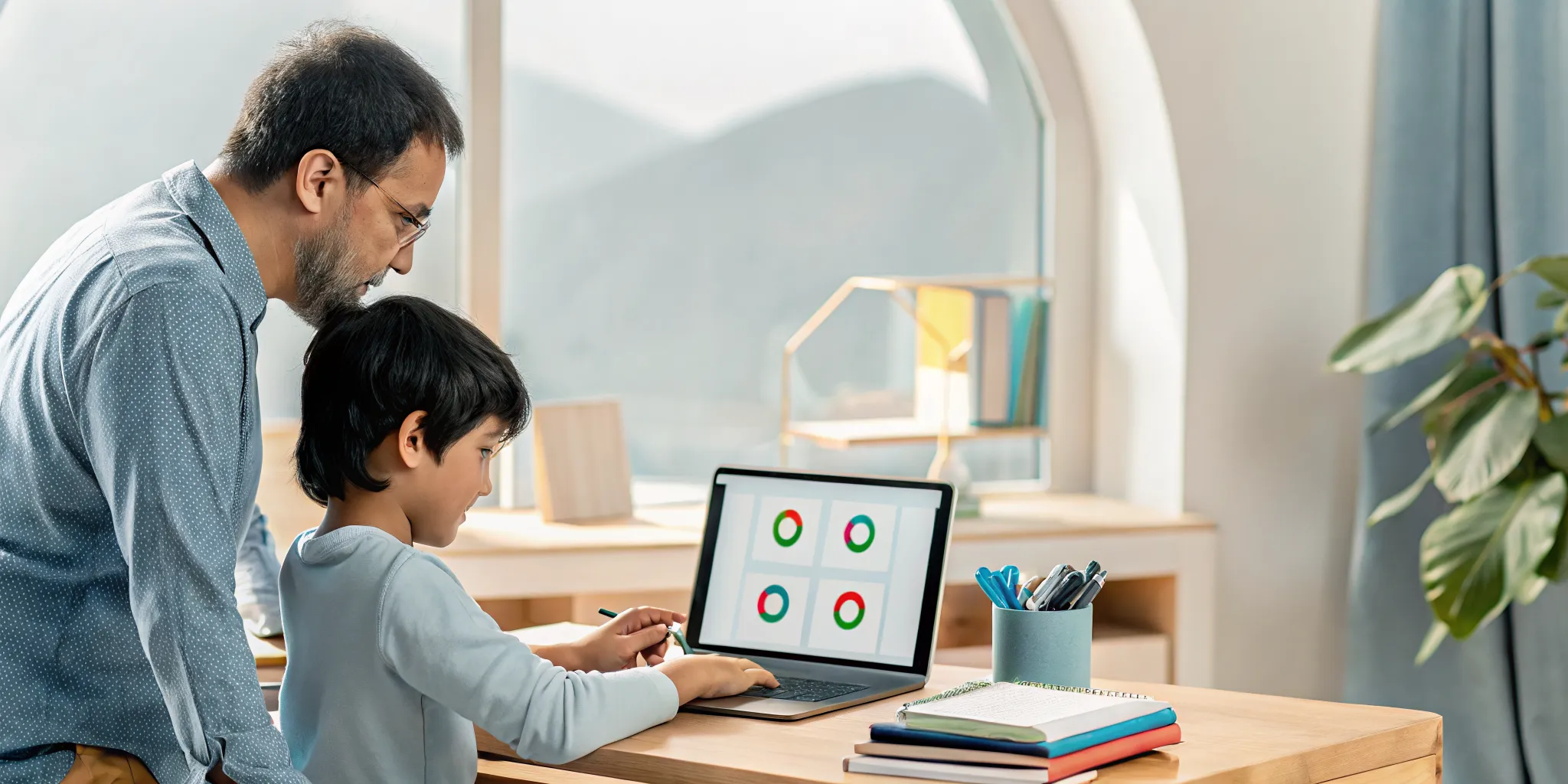
When you choose online homeschooling, you take on the important role of a Learning Coach. This doesn’t mean you have to be a subject matter expert or create lesson plans from scratch. With a structured program, the expert teachers handle the instruction while you provide support, encouragement, and guidance at home. The time you’ll spend in this role varies by age; younger children often need a few hours of direct supervision, while high schoolers become more self-sufficient. Your main job is to foster a positive learning environment and, most importantly, to continue being their parent first.
Setting Up a Great Learning Space at Home
Your child’s physical environment plays a big part in their focus and motivation. You don’t need a dedicated classroom; a quiet corner of the living room or a desk in their bedroom can work perfectly. The goal is to create a space that is consistently used for schoolwork, helping them switch into a learning mindset. Minimize distractions by keeping toys and television out of their immediate line of sight. Make sure the area is comfortable, well-lit, and organized. Involving your child in setting up their space can give them a sense of ownership and excitement for their online school day.
Why a Flexible Online Curriculum Might Be Your Best Choice
Choosing the right educational path for your child is a big decision, and the one-size-fits-all model of traditional schooling doesn’t work for every family. A flexible online curriculum offers a refreshing alternative, putting you and your child in control of the learning experience. This approach adapts to your child’s unique needs, your family’s schedule, and your long-term goals. It’s about creating an educational environment that supports growth without the rigid constraints of a conventional classroom, whether you’re in North Carolina or New Hampshire. Let’s look at a few reasons why this model might be the perfect fit for you.
Education Tailored to Your Child
Every child learns differently. A flexible online program respects this by allowing for a truly personalized learning journey. Instead of being locked into a fixed pace, your child can spend more time on challenging subjects or accelerate through topics they master quickly. This customized, home-centered environment helps students build confidence and a genuine love for learning. The curriculum can be adapted to fit their specific interests and academic needs, ensuring they receive a structured education that is both rigorous and engaging. It’s a meaningful alternative for students who thrive when their education is built just for them.
More Freedom for Your Family’s Lifestyle
Your family’s life doesn’t fit into a neat 8 a.m. to 3 p.m. box, so why should your child’s education? Online homeschooling gives you the freedom to design an educational program that works with your lifestyle, not against it. This is a game-changer for families in states like Arizona and Utah who travel, have children in competitive sports, or simply want to escape the daily grind of school runs. With options like asynchronous classes, learning can happen whenever and wherever it works best. This eliminates the stress of rigid schedules and allows education to integrate seamlessly into your life.
Access to Accredited Programs and Expert Teachers
Flexibility doesn’t mean sacrificing quality. In fact, with the right program, you get the best of both worlds. Choosing an accredited online school ensures your child’s education is recognized and meets high academic standards. This is crucial for college applications and future opportunities. You also gain access to a team of certified teachers who are experts in their fields and skilled in online instruction. This means your child receives structured learning and comprehensive support from professionals, all from the comfort of home. It’s a powerful combination of freedom and a world-class, accredited education.
Frequently Asked Questions
How is using an accredited online school different from just buying a curriculum package? Think of it as the difference between having a full support team and being the team yourself. When you partner with an accredited online school, you get certified teachers who handle instruction, a structured curriculum, and a platform that manages assignments and grades. A curriculum package gives you the materials, but you take on the role of the primary teacher, planner, and record-keeper. The school option provides a ready-made framework and expert guidance, while the package offers maximum parental control over day-to-day lessons.
How much time will I need to dedicate as a parent each day? Your daily time commitment really depends on your child’s age and independence. For younger children in elementary school, you can expect to be more hands-on, helping them log in, understand assignments, and stay on task for a few hours each day. As students get older and enter middle or high school, they become more self-sufficient. Your role then shifts from direct supervisor to a supportive learning coach who checks in on progress, offers encouragement, and helps them manage their schedule.
Will a diploma from an online school be accepted by colleges? Yes, absolutely, as long as the school is properly accredited. Accreditation is the key factor here; it’s a seal of approval that shows a school meets high academic standards. Colleges and universities recognize diplomas from accredited online high schools just as they would from any traditional public or private school. This ensures that your child’s hard work is validated and that they are well-prepared for higher education.
My child has trouble staying focused. How can online learning help with that? This is where the flexibility of online learning can be a huge advantage. You can create a quiet, distraction-free learning space that is tailored specifically to your child’s needs. You can also build a schedule that works with their natural energy cycles, tackling more difficult subjects when they are most alert. The ability to move at their own pace and take short breaks when needed can make a world of difference for a child who struggles to concentrate in a busy classroom environment.
What happens if my child misses a live class? Life happens, and good online programs are designed with that in mind. In most cases, live instructional sessions are recorded and made available for students to watch later. This means an appointment, a sick day, or a family event won’t cause your child to fall behind. They can simply watch the recording on their own time to catch up on the lesson and see any assignments that were given.

Written by
Eric C. Franzen
Eric C. Franzen is co-founder and owner of Ideal School, with 20+ years of experience as an educational leader and entrepreneur. He holds a BA in Education from the University of Washington and an MA in Educational Administration from Seattle Pacific University.
View LinkedIn Profile →