

The idea of a classroom is changing. It’s no longer just a physical space with desks and a chalkboard. For many families, the modern classroom is a dynamic, global community connected through technology. This shift has opened up amazing opportunities, especially for language immersion. An online format allows your child to learn from certified, native-speaking teachers and collaborate with classmates from different countries, all from the comfort of home. This is the unique advantage of a Spanish English online elementary school. North Carolina parents who want to provide a flexible, culturally rich education will find that these programs offer more than just language skills; they offer a new perspective on learning itself.
Key Takeaways
- Prioritize true language immersion: The most effective programs teach core subjects like math and science in both English and Spanish, which helps your child develop stronger cognitive skills and a genuine appreciation for other cultures.
- Find a program format that fits your family: Online education offers incredible flexibility, so you can choose from structured full-day programs, self-paced asynchronous classes, or a hybrid model that balances live instruction with independent work.
- You can support your child without speaking Spanish: Your role as a Learning Coach is to provide encouragement and structure at home, while certified bilingual teachers handle the language instruction, making it a true partnership.
What Is a Spanish-English Online Elementary School?
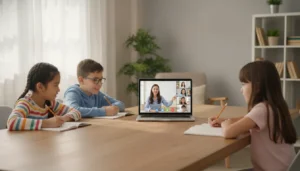
A Spanish-English online elementary school is a virtual classroom where your child learns core subjects like math, science, and history in both English and Spanish. Think of it as a dual-language immersion program, but with the flexibility of learning from home. These schools connect students with professional, bilingual teachers in a live, interactive setting. This approach not only helps your child become fluent in a second language but also builds a deep appreciation for different cultures by connecting them with classmates from around the world. It’s a modern, dynamic way to give your child a global education right from your home in North Carolina.
Discover the Benefits of Bilingual Education
Choosing a bilingual education opens up a world of advantages for your child. Learning a second language at a young age is known to strengthen cognitive skills like problem-solving and multitasking. But the benefits go far beyond academics. When children learn about other cultures and customs, they develop greater empathy and stronger social skills. This global perspective is invaluable. A bilingual education prepares them to communicate and connect with more people, setting a foundation for both personal and academic success in an interconnected world.
How Do Online Bilingual Programs Work?
Online bilingual programs immerse your child in both Spanish and English throughout the school day. Instead of treating Spanish as a separate subject, the curriculum standards are designed to teach core subjects in both languages. For example, a student might have a math lesson in English and a science lesson in Spanish on the same day. This method encourages natural language acquisition. Teachers use interactive tools and live instruction to engage students, and they regularly assess progress in both languages to ensure your child is becoming truly bilingual and biliterate. This structure also allows your child to learn alongside peers from different countries, making every day a cultural exchange.
Explore Online Spanish-English Schools in North Carolina
When you start looking for online bilingual education in North Carolina, you’ll find a few different paths you can take. The options range from fully accredited private schools to programs run by local public school districts. Each has a unique approach, so it’s helpful to understand the landscape before you choose. Whether you’re looking for a full-time school or a supplemental language class, there’s likely a program that fits your family’s needs. Let’s look at some of the main categories of schools available to you.
Ideal School’s Bilingual Programs
Ideal School is a fully accredited K-12 online school that offers a true dual-language immersion experience. As the world’s only accredited online private school for dual language immersion, we connect students from dozens of countries with professional, bilingual teachers in a live, interactive classroom. Our approach is about more than just learning a second language; it’s about teaching all academic subjects in both English and Spanish. This method supports your child’s cognitive development and also nurtures their social and psychological growth. We create a global learning environment where students don’t just become bilingual, they become biliterate and culturally aware.
Public Virtual School Options
North Carolina also offers public virtual school options, often run by county school systems. For example, programs like Onslow Virtual Schools and Online Catawba provide full-time online education for residents. These schools offer families a flexible, at-home learning environment within the public system. While they provide a solid online curriculum, they typically don’t specialize in dual-language immersion. If your primary goal is a bilingual education where subjects are taught in both Spanish and English, you may find these programs focus more on a standard curriculum with Spanish offered as a separate subject rather than an immersive environment.
Private Online Bilingual Schools
Beyond comprehensive K-12 schools, you’ll find private programs that focus specifically on language acquisition. For instance, some schools offer online Spanish classes that teach vocabulary, grammar, and conversational skills while also introducing students to Latin American cultures. These programs are excellent for building a strong foundation in Spanish or supplementing your child’s current education. They are a great way to foster language skills and cultural understanding, but they generally don’t replace a full academic curriculum. This makes them a different type of choice compared to an all-in-one accredited school that integrates bilingualism into every subject.
A Look Inside the Curriculum and Teaching Methods
When you’re considering a bilingual school, you’re likely curious about what a typical day or lesson looks like. How do teachers actually teach math in two languages? What tools do they use to keep your child focused and excited about learning online? The approach is what makes these programs so effective. It’s a blend of a robust, accredited curriculum with dynamic teaching methods designed for a digital classroom. This combination ensures your child doesn’t just learn a second language but also excels in all their core subjects. The goal is to create a seamless learning experience where language and academics grow together, supported by dedicated teachers and interactive technology. It’s a modern approach to education that prepares children for a globalized world, whether you’re in North Carolina or New Hampshire.
Core Subjects Taught in Both Languages
In a true bilingual program, core subjects like math, science, and social studies are taught in both English and Spanish. This isn’t about simply translating vocabulary words. Instead, concepts are explored through the lens of both languages, which helps deepen your child’s comprehension. For example, a science lesson might involve learning about ecosystems in English and then discussing conservation efforts in Spanish. This method reinforces academic knowledge while building fluency. It also creates a rich learning environment where students can interact with peers and teachers from different countries, gaining a multicultural perspective right from their elementary school years.
Language Immersion Strategies
Effective online schools use language immersion to create a natural learning environment. The focus is on developing biliteracy, bilingualism, and multicultural competence. This means your child learns to read, write, and think in two languages, not just speak them. Teachers use a variety of strategies, like alternating instruction days between languages or using one language for certain subjects. This consistent exposure helps children absorb the language organically. The success of these programs is often measured by how well students achieve academically in both languages and develop a genuine appreciation for different cultures, a key skill for any young learner in states like Arizona and Utah with growing diverse populations.
Interactive Learning Platforms
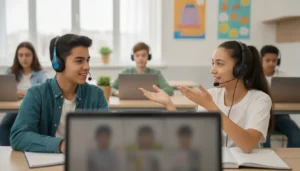
Technology is at the heart of a great online bilingual school. Forget static worksheets and one-way video lectures. Today’s programs use interactive platforms that allow for real-time instruction from highly-qualified professional teachers. These digital classrooms feature live video, chat functions, and collaborative tools that let students work together on projects. This setup provides the structure and social interaction of a traditional classroom with the flexibility of learning from home. It allows teachers to give personalized attention and adapt lessons to each child’s pace, ensuring they get the support they need to succeed.
Understanding the Cost of Online Bilingual School
One of the biggest questions parents have when exploring educational options is about cost. The good news is that whether you’re looking for a free public program or a specialized private school, there are different financial paths to a bilingual education for your child. Let’s look at the options available in North Carolina.
Tuition-Free Public Options
For families in certain parts of North Carolina, you might have access to tuition-free public online schools. These programs are run by local school districts and offer a complete virtual curriculum at no cost to residents. For example, Catawba County Schools provides the Online Catawba program for students from kindergarten through 12th grade. Similarly, Onslow County offers Onslow Virtual Schools for families seeking a full-time online education. These are fantastic options, but they are typically limited to students living within that specific county’s boundaries. If you live in one of these areas, it’s definitely worth checking out your local district’s offerings.
Private School Tuition
If you don’t have a local public option or you’re looking for a more specialized program, a private online school is another great route. Private schools like Ideal School offer a unique experience as an accredited, dual-language immersion school that connects students with bilingual teachers from around the world. While private education requires a financial investment, the cost often covers a highly specialized curriculum, more personalized attention, and a diverse, global classroom environment. Many families find that these benefits make the tuition a worthwhile investment in their child’s future success and cultural understanding.
Financial Aid and Payment Plans
The price tag for a private education shouldn’t automatically discourage you. Many schools are committed to making their programs accessible and offer ways to manage the cost. For instance, annual tuition for a full-time program can be more affordable than you think. It’s always a good idea to explore a school’s tuition page for the most up-to-date information. Don’t hesitate to reach out to the admissions office directly to ask about available payment plans, scholarships, or other forms of financial aid. They can walk you through the options and help you find a solution that fits your family’s budget.
What Makes a Great Bilingual Teacher?
The heart of any great school is its teachers, and this is especially true in a bilingual classroom. An exceptional teacher does more than just translate material; they create an immersive and supportive environment where your child can thrive in two languages. They are guides, mentors, and cultural ambassadors all in one. When you’re evaluating different programs, it’s helpful to know what qualities to look for. The right educator can make all the difference in your child’s journey toward becoming bilingual and biliterate, shaping not just what they learn, but how they see the world.
Language Proficiency and Background
True fluency goes beyond just speaking and writing in two languages. A great bilingual teacher has a deep, authentic connection to the languages they teach, which often includes a rich understanding of the associated cultures. This allows them to teach with nuance, bringing lessons to life with cultural context that you just can’t get from a textbook. When a teacher can share stories, traditions, and perspectives from Spanish-speaking cultures, your child gains a much more meaningful and well-rounded education. Look for programs with certified teachers who are native speakers or have achieved native-level proficiency.
Teaching Certifications and Credentials
A teaching certification is more than just a piece of paper; it’s a guarantee that an educator has met high professional standards. When a teacher is certified, especially by a recognized state board like North Carolina’s, you can be confident they have a strong foundation in educational theory, classroom management, and subject matter expertise. This is a critical benchmark for quality. As you research schools, ask about their hiring standards and whether their educators hold state teaching licenses. This level of accreditation and qualification ensures your child is receiving an education that is both effective and officially recognized.
Experience with Online Instruction
Teaching online requires a unique set of skills. An effective virtual teacher knows how to use technology to create an engaging and interactive classroom, which is very different from a traditional, in-person setting. They are skilled at keeping children focused, encouraging participation, and building a sense of community among students who may be thousands of miles apart. Great online instructors are trained to adapt their methods for a digital environment, ensuring every child feels seen and supported. When considering a program, ask how its teachers are prepared for online instruction and how they foster a connected global learning environment.
Find the Right Program Format for Your Child
Choosing an online school opens up a world of possibilities for how your child learns. Unlike a one-size-fits-all classroom, virtual education offers different formats to match your family’s schedule and your child’s unique learning style. Whether your student thrives on a predictable daily routine with live instruction or needs the freedom to learn at their own pace, there’s a program structure that will feel like the perfect fit. Thinking about what works best for your household is the first step in finding a program where your child will truly excel.
Full-Day, Live Programs
If you’re looking for a comprehensive and structured school day, a full-day, live program is an excellent choice. This format closely mirrors a traditional classroom experience, with students logging in for real-time classes with teachers and classmates. It provides a consistent schedule, which can be great for children who do well with routine. The direct interaction is key for language immersion, as students engage in live conversations and activities. Ideal School’s Full Day Program connects students from around the world with bilingual teachers, creating a dynamic and supportive environment for learning and making friends. This option is perfect for families wanting a complete, immersive educational experience from home.
Flexible, Asynchronous Schedules
For families with busy schedules or children who are independent learners, an asynchronous format offers incredible flexibility. In this model, teachers provide the lessons and assignments, and students complete them on their own time throughout the week. This self-paced approach allows a child to spend more time on challenging subjects or move ahead in areas they master quickly. It’s an ideal solution for student-athletes, families who travel, or anyone needing to build a school schedule around other commitments. You can explore asynchronous classes that provide a complete, accredited curriculum while giving your child the autonomy to manage their own learning journey.
Hybrid Learning Models
Can’t decide between the structure of live classes and the flexibility of self-paced learning? A hybrid learning model offers the best of both worlds. These programs combine required live online sessions with asynchronous assignments that students complete independently. This balanced approach ensures your child gets valuable face-to-face time with their teachers and peers for collaborative projects and direct instruction, while still preserving flexibility. It’s a great fit for students who enjoy social interaction but also work well on their own. Many schools offer these mixed classes to provide both support and independence.
Supplemental Bilingual Classes
If your child is already enrolled in a school or homeschool program, you don’t need to switch entirely to add the gift of bilingualism. Supplemental classes are single courses designed to enrich your child’s current education. You can enroll your student in a Spanish language class to build their vocabulary, grammar, and conversational skills. This is a fantastic way to introduce a second language or support a heritage language without disrupting their primary schooling. Programs like a Language Institute offer targeted instruction to help your child become confident and fluent, giving them a valuable skill that will last a lifetime.
Addressing Common Parent Concerns
Choosing a new school for your child is a big decision, and when you add bilingual education to the mix, it’s natural to have questions. Whether you’re in North Carolina or New Hampshire, many parents share the same thoughts and concerns when considering an online immersion program. Let’s walk through some of the most common questions we hear from families and give you the clear, straightforward answers you need to feel confident in your choice. Your child’s education is a partnership, and we believe that starts with open communication and addressing your concerns head-on.
Will My Child Confuse the Languages?
This is one of the most frequent questions parents ask, and it’s a valid one. It is completely normal for a child to mix words or grammar when they first start a bilingual program. Think of it as their brain building new connections. This period of language confusion is a natural and temporary part of the learning process. Children are incredibly adept at learning language systems, and with consistent exposure, they quickly learn to differentiate between Spanish and English. Our curriculum standards are designed to guide them through this phase, helping them build a strong foundation in both languages until speaking and thinking in each one becomes second nature.
How Can I Help if I Don’t Speak Spanish?
You absolutely do not need to be a Spanish speaker to support your child’s bilingual education. Your role is to be their biggest cheerleader. You can foster a positive learning environment by showing genuine interest in what they’re learning. Ask them to teach you a new word, find bilingual books to read together, or explore cultural topics online. The heavy lifting of language instruction is handled by our certified teachers, who are experts in bilingual education. Your encouragement and enthusiasm are the most powerful tools you have to support their journey. Many resources, from educational apps to community groups, can also help enhance their learning outside the virtual classroom.
How Do I Keep My Child Engaged?
Keeping a child engaged in an online setting is all about the approach. A great online program isn’t just a traditional classroom put on a screen; it’s a dynamic, interactive experience. We keep students engaged through a mix of live instruction, small group collaboration, and personalized activities that cater to their interests and learning styles. Our Full-Day Program is structured with brain breaks and varied tasks to hold a child’s attention. By making learning fun and relevant, we help students build confidence and develop a genuine love for learning in both languages. The goal is to create an environment where they are active participants, not passive observers.
Find Support and Resources for Your Family
Choosing an online school is a decision that involves the whole family. It’s natural to wonder what kind of support you’ll have along the way. The best online programs understand that a child’s success depends on a strong partnership between the school and the home. This means you won’t be left to figure things out on your own. From dedicated teacher guidance to connections with other families and clear technical assistance, a great online school provides a network of resources to help your family thrive. You’ll find that you are a key part of a collaborative team, all working together to support your child’s bilingual education and growth.
Guidance from Learning Coaches
In most online elementary programs, a parent or guardian takes on the role of a “Learning Coach.” This doesn’t mean you have to be a certified teacher; it simply means you are the at-home guide for your child’s education. Your main responsibilities are to help your student stay on track with their lessons, monitor their progress, and serve as the primary point of contact with their teachers. Think of yourself as the manager of their school day. You’ll work in partnership with certified online instructors who handle the teaching and curriculum, while you provide the structure and support your child needs to succeed in a home learning environment.
Parent Support Communities
You are not alone on this journey. A strong sense of community is vital in an online school setting, and effective programs create opportunities for parents to connect. When schools prioritize open and frequent communication, it builds a foundation of trust that is essential for your child’s success. Many online schools offer virtual parent meetings, private social media groups, or forums where you can share experiences and advice with other families. These connections can be an invaluable source of encouragement and practical tips. Building a positive partnership with the school and other parents makes the entire experience more rewarding for everyone.
Tech Setup and Assistance
Getting your technology ready for online learning is a straightforward first step. Your child will need a reliable high-speed internet connection and a computer to access their virtual classroom. It’s also helpful to have a designated, quiet workspace with basic school supplies. Don’t worry if you’re not a tech expert. Most online schools, including Ideal School, use intuitive learning platforms and provide clear instructions to get you started. If you run into any issues, technical support is available to help. The school’s goal is to make the technology feel seamless so you and your child can focus on what truly matters: learning.
How to Enroll in an Online School in North Carolina
Getting your child started in an online school in North Carolina involves a few key steps. While every school has its own process, most follow a similar path from application to the first day of class. Thinking through these stages ahead of time will help you feel prepared and confident as you find the perfect fit for your family. It’s all about gathering your information, knowing your options, and understanding what to expect.
Gather Your Documents and Note Deadlines
First things first, let’s get organized. You’ll typically need standard documents like proof of residency, your child’s birth certificate, and previous academic records. It’s also smart to check for specific application windows. Some public virtual programs in North Carolina have very narrow enrollment periods, sometimes just a couple of weeks in early spring. Private schools often offer more flexibility, but it’s always best to confirm. Knowing these dates and having your paperwork ready makes the whole process much smoother. Many schools also require a commitment for the full academic year once you accept a spot.
Finalize Your Program Choice
With your documents in hand, you can focus on choosing the right program. North Carolina offers a variety of online learning environments. Are you looking for a full-day, structured school day, or do you need a more flexible, asynchronous schedule? Perhaps you’re interested in supplemental homeschool classes to enrich your child’s current studies with bilingual instruction. Considering your child’s learning style and your family’s daily routine will help you narrow down the options and find a program that truly works for you.
Understand the Application Process
Once you’ve chosen a school, the final step is the application itself. The great news is that students from public, private, and homeschool backgrounds are all welcome to apply to online programs. Some schools, particularly public virtual academies, may have specific eligibility criteria, such as a strong attendance record from the previous semester. Private institutions like Ideal School have a straightforward admissions process designed to be clear and supportive for families. Take your time to read through the requirements, fill out the forms carefully, and don’t hesitate to reach out to an admissions counselor with any questions.
Frequently Asked Questions
How much time will I need to commit as a parent each day? Your daily time commitment will change as your child grows. For younger elementary students, you’ll act as a hands-on “Learning Coach,” helping them log in, stay organized, and understand their daily tasks. As they get older and more independent, your role will shift to more of a supportive guide, checking in on their progress and communicating with teachers. The school’s certified instructors handle all the teaching, so your focus is on providing structure and encouragement at home.
Is an online bilingual program as effective for social development as a traditional school? Socialization in an online school looks different, but it is just as meaningful. Instead of a local classroom, your child will interact with peers and teachers from many different countries, building a unique global perspective. Our programs use live instruction and collaborative projects to encourage communication and teamwork. This environment helps students develop strong cross-cultural communication skills and form friendships with classmates from diverse backgrounds.
What happens if my child struggles more with one language than the other? It is completely normal for a child to have different strengths in each language, especially when they are starting out. Our bilingual teachers are trained to identify these imbalances and provide personalized support. They use targeted activities and one-on-one attention to strengthen the language that needs more practice. The curriculum is designed to build both languages together, ensuring your child becomes truly bilingual and biliterate at a comfortable pace.
What does tuition at a private online school typically include? Tuition is an investment in a complete educational experience. It generally covers a full academic year with an accredited curriculum, daily live instruction from certified bilingual teachers, and access to the school’s interactive learning platform. It also includes the administrative support and technical assistance your family needs. Essentially, it provides everything required for a comprehensive, world-class education from home.
Can my child switch from a traditional school to an online program mid-year? Many private online schools, including Ideal School, offer flexible enrollment that can accommodate students who need to transfer during the school year. The admissions team can help you with the process of transferring records and will work to ensure your child has a smooth academic and social transition. It is always best to speak directly with an admissions counselor to discuss your family’s specific situation.

Written by
Eric C. Franzen
Eric C. Franzen is co-founder and owner of Ideal School, with 20+ years of experience as an educational leader and entrepreneur. He holds a BA in Education from the University of Washington and an MA in Educational Administration from Seattle Pacific University.
View LinkedIn Profile →