


A crowded brick and mortar high school hallway can feel more like a transit hub than a learning center. For many students, this constant noise and rigid pace can block real academic growth.
Start your comparison with a free Ideal School consultation today.
How do online high schools compare to traditional education is an important question for families choosing between rigid daily schedules and flexible virtual learning environments. While brick and mortar classrooms use structured daily routines, virtual high school options offer highly personalized pacing and custom home study environments. Reputable virtual high schools maintain strong academic standards that are comparable to those found in standard public and private educational options. According to data from the National Center for Education Statistics, millions of students now take virtual classes to meet their individual learning needs. Both pathways lead to an accredited diploma, but the best model always depends on your student’s personal learning style and daily schedule preferences.
To make the right choice for your family, parents should explore how virtual programs grew and evolved over time. We will start by examining the rise of online high school in the United States. This educational shift shows how virtual systems became popular and why so many families now rely on them.
The Rise of Online High School in the United States
The growth of online learning
Traditional brick-and-mortar classrooms used to be the only real path for most families in the country. But learning formats are now changing fast as more parents and students turn to web-based options. This change has helped online schools grow from a small niche into a main choice for students of all ages. Many families find that this style of learning gives them the tools they need to thrive.
This shift toward virtual classrooms began well before recent global events. Official data from the National Center for Education Statistics shows a clear trend. In 2016, about 3.1% of US students between the ages of 5 and 17 took at least one school-related course online. This early interest laid the groundwork for modern virtual high schools, proving that online learning is both structured and effective.
Growth of virtual school options
The number of virtual school options has grown fast to meet this rising demand. During the 2019-2020 school year, there were 691 fully virtual public schools open in the United States. These online programs gave thousands of students across the nation a brand new way to learn outside of a traditional school building. This growth shows that virtual models are becoming a standard part of the school landscape.
Many of these new schools are highly structured virtual programs that follow strict state standards. This clear structure keeps online high schools apart from typical homeschooling, where parents must design the entire curriculum themselves. Families can choose what Ideal School offers to find a high-quality, fully accredited program that guides students toward real academic success. These programs offer a strong framework that helps students keep up with their studies.
A mainstream option for students
Online education has become a mainstream choice rather than a short-term fix. It prepares students for a modern world where remote work and virtual tasks are common. Learning in a virtual space helps high school students build the independence and self-start skills they need for their future careers. Students learn to manage their own time and stay on task without constant adult help.
This learning style has also become common in colleges across the country. National data shows that in fall 2021, 61% of undergraduate students in the United States took at least one distance education course. Starting this style of learning in high school helps students get ready for the academic demands they will face in college. It makes the move to college much smoother for many young learners.
How Do Online High Schools Compare to Traditional Education?
Many families wonder how online high schools compare to traditional education when planning for college. Both models have unique benefits and challenges. The main difference lies in how students manage their time and where they learn. Some students thrive in a standard classroom, while others need a more focused approach to school.
Learning flexibility and school structure
Learning online is not a new trend. Data from the National Center for Education Statistics shows that 3.1% of K-12 students took online courses back in 2016. Today, many more choose this path to have free hours. Standard schools use a set daily routine to keep students on task. In contrast, online high schools let students work at their own pace. This helps those with busy sports or arts schedules. But this freedom means students must learn to work on their own. Parents should help them set up a good workspace at home.
Curriculum quality and live teaching
Curriculum standards are also vital when comparing these models. Standard high schools offer fixed lesson plans and face-to-face feedback. Online programs can provide the same rigor through structured online platforms. Some online schools rely on recorded lessons, while others offer live classes. A student’s success depends on how they learn best, not just the format. If a student needs real-time help, live virtual classes can make a big difference. Parents can find more details in what Ideal School offers to see how live online classrooms work.
Social opportunities and connection
Social growth is another key area to compare. Traditional schools offer daily in-person contact through clubs, sports, and school events. Online schools must work harder to build these bonds. Still, good online schools offer virtual clubs and group projects. They also host online events to help students make friends. Outside of class, online students often join local sports teams or volunteer in their towns. This helps them stay active in their town.
Diploma outcomes and college readiness
At the end of the day, both models can lead to the same long-term goals. Both standard and online high schools can award a real, fully valid diploma. This degree helps students get into college or start their careers. It is important to know that online high schools are different from homeschooling. Homeschooling is led by parents who make their own lessons. An online high school uses a set learning path with trained teachers. Families should look for programs with Cognia accreditation to ensure their work counts. Reading an accredited online high school diploma guide can help parents see the path to graduation. In the end, the right choice depends on what setting helps a student succeed.
Curriculum and Academic Rigor: A Side-by-Side Look
When parents ask how do online high schools compare to traditional education, they often start with academic quality. There is a common myth that online classes are easier. But reputable virtual programs maintain high academic standards that match those of brick-and-mortar schools. Students in these programs learn the same core skills and earn a real diploma.
Accreditation and academic standards
Accreditation is the most critical factor to check when you evaluate any school. It ensures the curriculum meets strict standards. This quality is confirmed through our official Cognia accreditation, which proves our courses have real rigor. Federal data from the National Center for Education Statistics show that online learning was growing fast years ago.
When an online high school has proper credentials, its credits are easy to transfer. Colleges and employers trust these courses because they know the program is held accountable. This means students get the same level of academic rigor as they would in a traditional setting. You do not have to give up quality for flexibility.
Course formats and pacing
The main differences between these models lie in how classes are structured and paced. Traditional schools use fixed hours, but online high schools let students work at a pace that fits their needs. To see how these paths compare, you can check what Ideal School offers. This format keeps standards high while giving families more control over their daily schedule.
| Feature | Online High School | Traditional High School |
|---|---|---|
| Course selection | Wide range of core subjects and electives tailored to students. | Fixed catalog limited by local staffing and space. |
| Pacing | Flexible schedules with room for personalized learning. | Rigid daily calendar set by the school district. |
| Assessments | Rigorous virtual exams and project-based milestones. | In-person quizzes, tests, and state-mandated exams. |
| Teacher interaction | Direct support via live sessions and messaging. | Face-to-face instruction in a physical classroom. |
| Accreditation | Verified by agencies like Cognia to ensure high quality. | Approved by state and regional educational boards. |
As the comparison shows, both options offer paths to success but use different methods. Traditional schools focus on in-person class time, while online high schools use digital tools to track progress. Trusted online programs do not skip on academic depth. Instead, they give students the tools to master complex topics on a schedule that works for them.
Live Instruction and Teacher Support in Online High School
Many parents worry that online high schools lack real human contact. They fear that students will spend all day looking at a cold screen without any help from a teacher. But a high-quality online program does not leave students to learn alone. Instead, it offers robust support systems that connect students with real teachers every week.
The role of live instruction
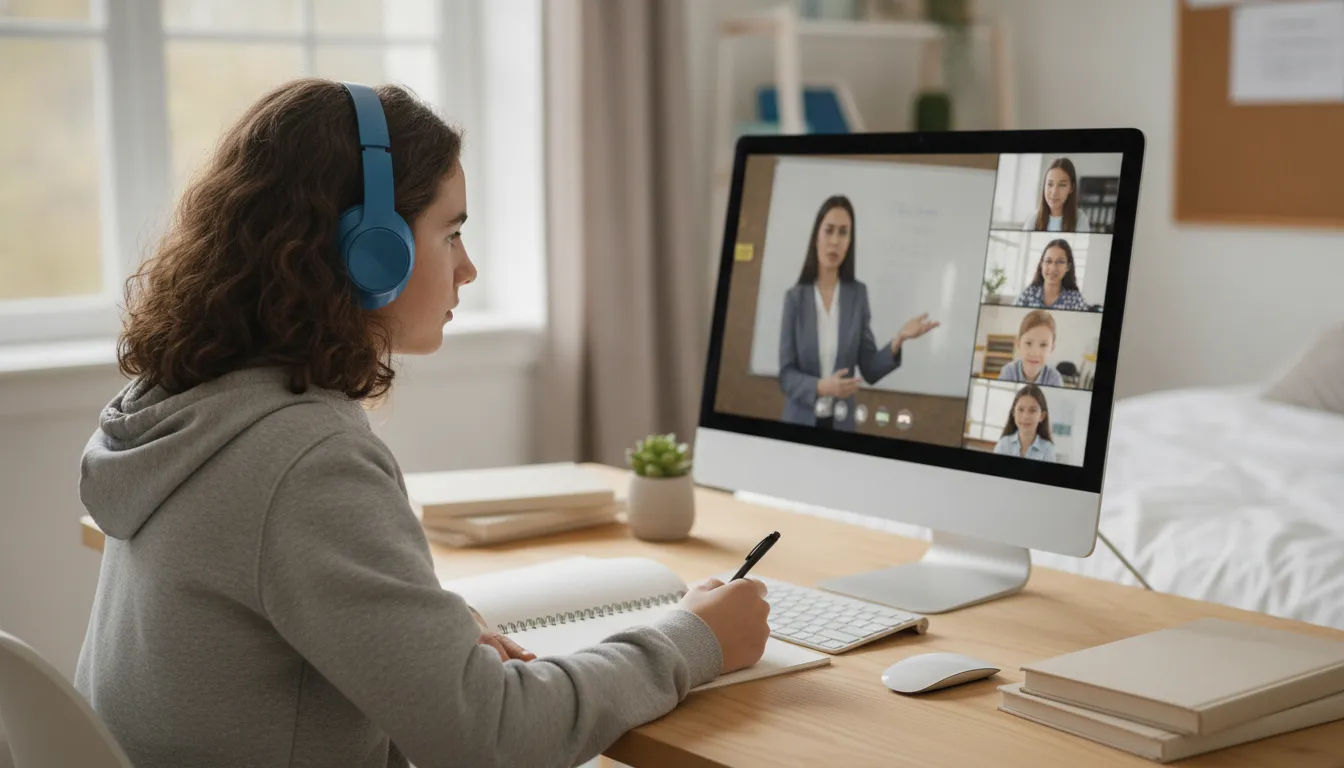
Active learning in a virtual school relies heavily on live interaction. Reputable schools use live virtual classroom instruction to bring students and teachers together in real time. In these sessions, teachers explain lessons, ask questions, and start discussions. Students can speak up, share their work, and work with their peers on projects.
This live setup mirrors what makes traditional schools work. In the United States, distance learning has grown to be a key option for many families. According to the National Center for Education Statistics, most college students now take at least one online class. This shift shows how online learning models help prepare high schoolers for their next steps.
Academic support and office hours
Outside of live classes, teachers give deep support during virtual office hours. These one-on-one sessions give students a safe space to ask for help on tough topics. If a student struggles with math or writing, they can book a private slot to go over the steps. This personal help is often more direct than what a student gets in a crowded physical classroom.
Support staff also work behind the scenes to keep students on track. Academic advisors and counselors monitor student progress and check in when grades drop. They help students set goals, manage their study time, and plan for college. This team approach ensures that online students have a strong network of guides who care about their success.
Balancing structure and freedom
The mix of live support and flexible design helps students who need a different school model. Online high schools let students learn at their own pace, which is a major plus for those with busy lives. High schoolers can choose where they study, whether at home or in other quiet spaces. This control helps them balance school with sports, arts, or work.
But complete freedom can sometimes lead to distraction if a student lacks support. That is why having access to live teachers is so important. When students have scheduled live classes and clear teacher check-ins, they build good study habits. This structure prevents them from falling behind while still giving them the freedom to learn on their own terms.
Flexibility and Self-Paced Learning That Fits Your Student’s Life
Choosing where and when to study
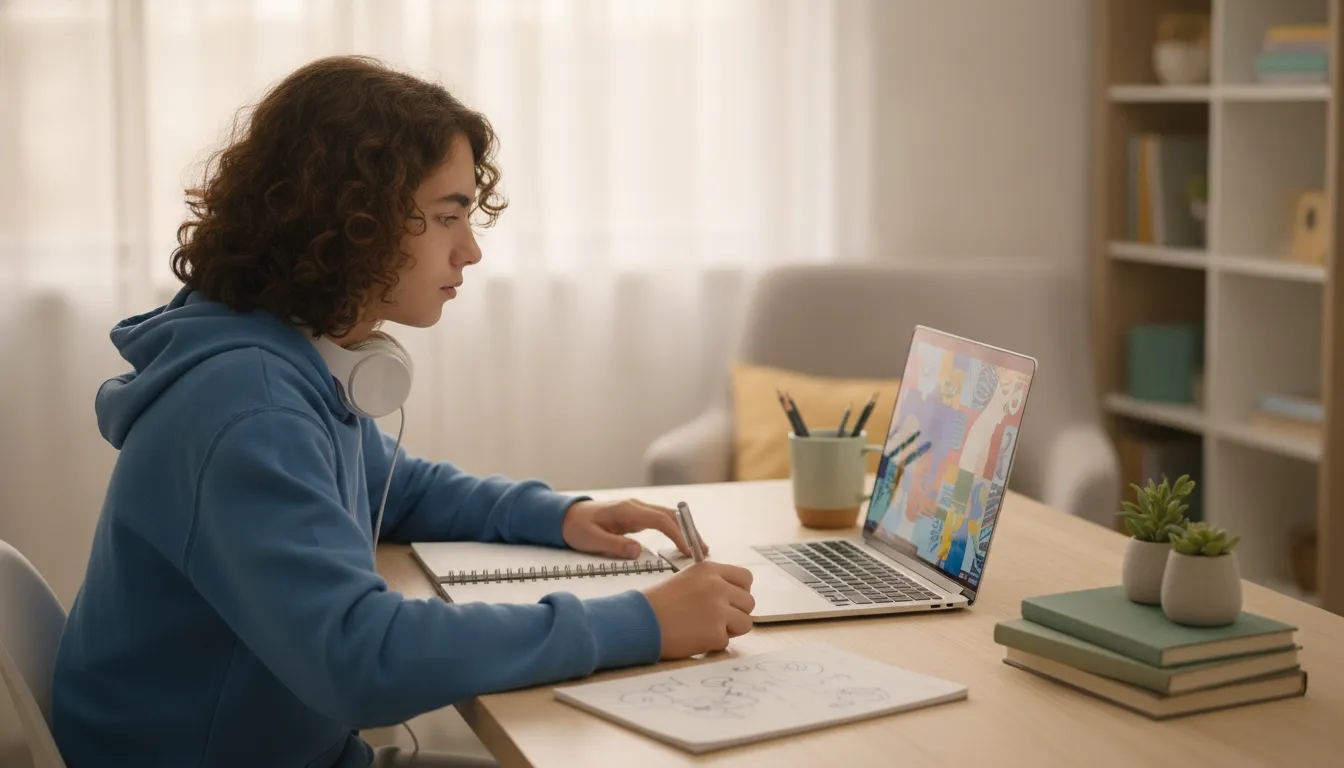
Learning online gives students the freedom to choose their own study space. They can work from a quiet desk at home, a local library, or even an outdoor park. This choice helps them find a place where they can focus best.
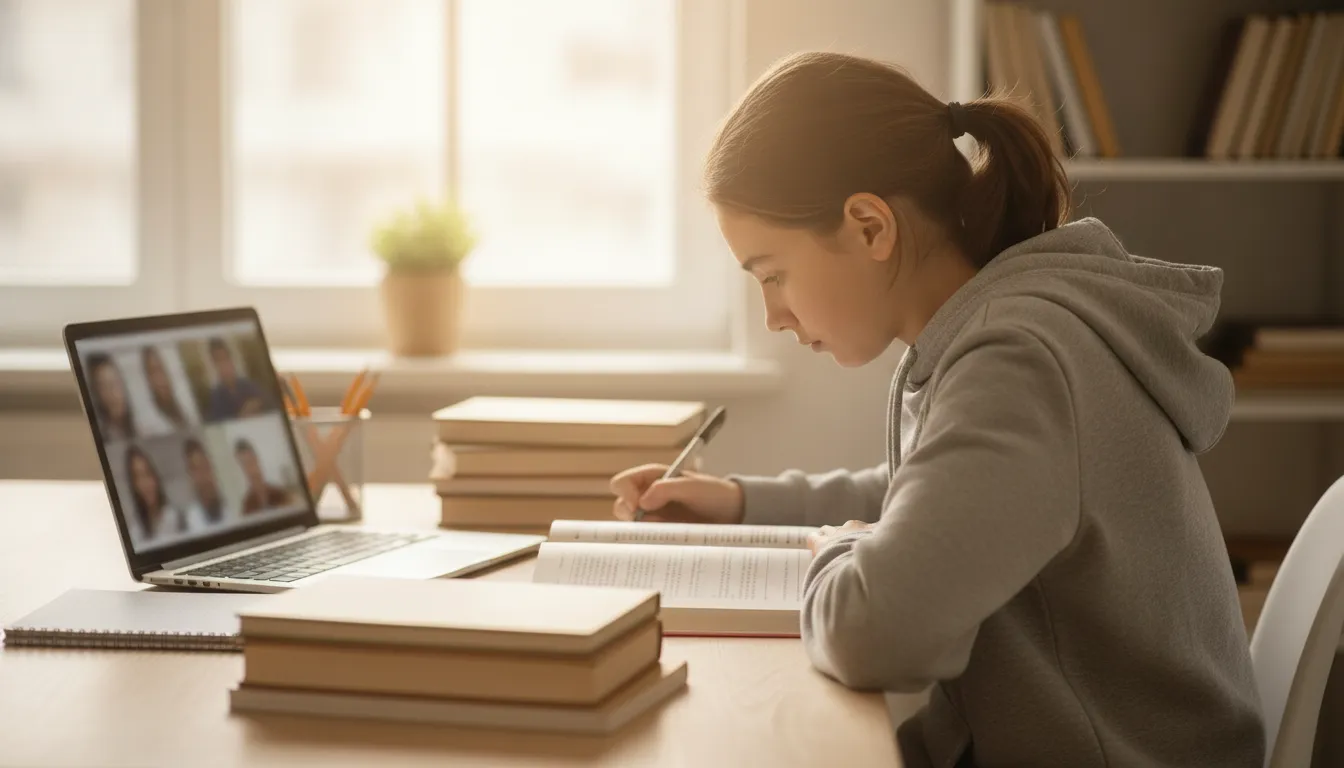
Online high schools also let students work at their own pace. This setup is helpful for students with busy plans outside of class, such as sports or music. While only 3.1 percent of students took online courses in 2016, many more now choose this path. It helps them escape the rigid hours of a normal school.
Steps to set up a flexible learning day
Setting up a self-paced day does not mean learning without a plan. The best online programs help families build a clear path to success. Here are the main steps to create a strong home study routine.
- Look at your student’s daily plans. See when they have sports, hobbies, or family events to find the best times for school work.
- Choose a school that mixes live virtual classroom instruction with self-paced tasks. This keeps them connected to teachers while letting them work at their own speed.
- Build a weekly learning routine. Set clear start and end times each day so your student knows what to expect. Be sure to allow for breaks when needed.
- Use support services. Many online schools offer tutoring, peer clubs, and team meetings to help students when they get stuck.
- Track progress toward graduation. Review course plans often to make sure your student stays on track to earn a high school diploma.
Academic rigor with a personal touch
Many parents ask how do online high schools compare to traditional education in terms of pacing. In a regular school, the whole class moves at one speed. If a student needs more time to learn a hard math skill, they may get left behind. If they learn a topic quickly, they must wait for others. A self-paced model solves both of these problems.
By setting their own pace, students can spend more time on hard lessons. They can also breeze through subjects they find easy. They can study when their focus is highest, like early morning or late afternoon. This level of control reduces stress and helps students enjoy learning. It shows that a flexible plan can lead to better grades and a deep understanding of each class.
Social Opportunities: How Online Students Stay Connected
Balancing Flexibility and Social Needs
Many parents worry about the lack of real-world contact in online schools. When families ask how do online high schools compare to traditional education, social life is often the first concern. They fear their student will feel lonely or miss out on normal teen life.
It is true that students must weigh the pros of self-paced learning against the need for a structured social space. This balance is key to student success. A good online program does not cut students off from the world. Instead, it makes social contact an active choice rather than a passive event.
Traditional brick-and-mortar schools offer built-in social blocks like lunch and recess. Online programs handle this need in a new way. Social time is set and planned rather than left to chance. This structure helps students build strong habits.
This helps students learn how to seek out real friendships based on shared tastes, rather than just shared classrooms. Parents should think about this shift when they look at other school choices. The key is to find a program that builds community on purpose, not by accident.
Structured Virtual Activities
Modern online programs do more than just send homework via email. They host a wide range of live, online spaces where students can meet. These spaces include interest clubs, virtual assemblies, and joint group projects. Working on team tasks helps peers get to know each other well.
For example, students can join coding clubs, chess groups, or book clubs. These groups let peers work and play together from home. When you check what Ideal School offers, you will find a program structure designed to build peer bonds. Live sessions give students a place to talk, ask questions, and share ideas.
Local Community Connection
Staying connected does not stop at the computer screen. Online learning gives students free hours during the day. This open schedule makes it easy to join local groups. Students do not have to wait until the weekend to enjoy their hobbies.
Students can play in city sports leagues, take art classes, or work at local shops. They can also join scout troops or help out in their towns. This mix of online study and local action helps students build rich social lives.
They are not stuck in one building all day. They get to meet people of all ages in their town. This helps them grow into well-rounded young adults who are ready for the real world.
College Readiness and Long-Term Outcomes for Online High School Students
Colleges accept students from virtual programs just as they do from brick-and-mortar schools. Both formats lead to an accredited online high school diploma that opens doors to higher learning. Quality virtual options match the work and lessons found in physical classrooms. College officers focus on school accreditation and course rigor, not the physical classroom shape.
Academic Rigor and College Acceptance
To understand how do online high schools compare to traditional education, look at college entry trends. Data from the National Center for Education Statistics (nces.ed.gov) shows that online study is a standard path for modern students. This widespread growth means that virtual learners enter college on equal footing with their peers.
The Difference Between Online High School and Homeschooling
It is key to tell online high school apart from homeschooling. Homeschool parents must plan their own lessons and grade all tests. In contrast, online high schools give students structured courses led by skilled teachers. Students attend live classes, turn in homework, and follow a set calendar.
This setup means students get a high-quality education while keeping the comfort of learning from home. This mix of freedom and structure helps students build the self-drive they need for college life. They learn how to manage their time, study on their own, and stay on track with their work.
Dual Enrollment and Transcript Value
Many online schools offer ways for students to earn college credits before they finish high school. Through dual enrollment programs, students can take college-level classes that count toward both degrees. These courses show entry staff that the student can handle tough work. A clean transcript with hard courses is valued by top schools.
Having college-level courses on a high school record can also save time and money later. It shows that the student is ready for the pace of higher learning. To begin planning your student’s path to college success, you can start the enrollment process today.
Self-Discipline and Life Outcomes
Long-term success is about more than just grades. Students who learn online build strong life skills like time planning and self-drive. They must learn to balance their schoolwork with other parts of their life. These skills are highly useful in both college and the modern workplace.
Many employers and colleges look for people who can work well without constant help. Online students practice this daily as they manage their schedules and complete tasks. This independent mindset prepares them to thrive in their future careers.
Contact Ideal School to enroll your student in a flexible online high school today.
Frequently Asked Questions
Can online school be as effective as traditional school?
Yes, online school can be highly effective. Reputable programs use trained teachers and structured lessons to meet the same high standards as local schools. According to the National Center for Education Statistics, online learning is growing fast in the United States, and most college students take online courses. Success depends on how a student learns, their own focus, and the quality of the school.
Does online high school prepare students for college?
Yes, an accredited program prepares students well. Unlike homeschooling, where parents direct the lessons, a structured online high school provides trained teachers and a standard curriculum. Students learn key skills like time management and digital literacy, which are vital for college success. Graduating with an accredited online high school diploma ensures that colleges and universities will accept your student’s credits and application.
What are the disadvantages of attending online high school?
The main challenge is the loss of face-to-face contact with peers and teachers. Students must also have strong self-discipline to stay on track without a physical bell schedule. Some online programs lack active student support or interactive classes. To help with this, choosing a school with live virtual classroom instruction can provide the daily structure and social connection that students need to thrive.
Is online high school recognized by universities?
Yes, colleges and universities fully recognize online high school diplomas, provided the program is accredited. Accreditation proves that the school meets high academic standards. For example, Ideal School holds Cognia accreditation, which is recognized by major universities and employers across the United States. Always verify a school’s accreditation status before you enroll to ensure your student’s credits will transfer.
How do social interactions differ in online high school vs. traditional?
In traditional schools, social interaction is face-to-face and built into the school day. In contrast, online high schools require students to seek social outlets. Reputable online schools use live online chats, student clubs, and group projects to keep students connected. Families also use local sports teams, community groups, and volunteer work to help their students build strong friendships outside the virtual classroom.
Are you ready to find the right high school path?
Staying in a traditional school that does not fit your student’s learning style can lead to lost academic confidence and unnecessary daily stress. Making the switch to our virtual program today gives them the flexible schedule they need to study comfortably and thrive at their own pace. Our Cognia-accredited curriculum provides high-quality live instruction that ensures your student is fully prepared for college and a successful future.
Ready to start? Do not let another school year pass without a supportive educational environment that helps your student grow. Starting now ensures they do not fall behind in their academic journey. Please contact our team to start your student’s enrollment with an accredited online high school program.