

Education should do more than just teach subjects; it should prepare your child for a connected and complex world. While traditional schools offer a set path, virtual learning provides the flexibility to tailor an education to your child’s unique passions and goals. This guide explores the benefits that go beyond the standard curriculum. We’ll discuss how a New Hampshire virtual K-12 school with live classes can offer specialized courses, bilingual immersion, and a global classroom environment that broadens your child’s perspective. It’s about creating a learning experience that fits your family’s life while giving your child the skills and confidence to succeed anywhere.
Key Takeaways
- Live classes create a real community: Choose a program with live instruction to give your child direct access to licensed teachers and the chance to collaborate with classmates, which builds confidence and social skills.
- Accreditation is your quality guarantee: Always confirm a school is fully accredited. This is the best way to ensure the diploma is recognized by colleges and that the curriculum meets high academic standards.
- Your role is a supportive partner, not the teacher: The best virtual schools provide certified educators to handle all instruction. Your job is to be a learning coach, helping your child stay organized and motivated at home.
Why Choose a New Hampshire Virtual School with Live Classes?
When exploring virtual schools in New Hampshire, one of the most important distinctions is between pre-recorded lessons and live, interactive classes. While self-paced learning has its place, live instruction creates a dynamic and supportive classroom environment right in your home. It’s the key to an online education that feels connected and engaging.
Choosing a virtual school with live classes means your child gets the structure of a traditional school day combined with the flexibility of learning from anywhere. They won’t just be watching videos; they’ll be participating in real-time discussions and building genuine relationships with teachers and peers. This model provides the routine that helps children thrive while still offering the personalized pace of online learning.
Interact in Real-Time with Licensed Teachers
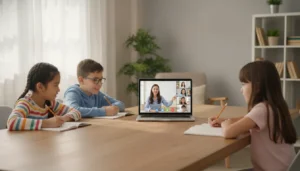
Live classes transform online learning from a solitary activity into a collaborative one. Instead of passively watching a lesson, your child can ask questions and join group discussions in real time. This direct interaction is crucial for building a strong connection with their instructors. At Ideal School, students receive guidance from licensed teachers who are experts in their fields. They get to know each student’s learning style and offer personalized support during live sessions, ensuring no one gets left behind. This creates a vibrant classroom community where children feel seen and heard.
Get a Structured Day with Flexible Scheduling
A common concern parents have about virtual school is a lack of routine. Live classes solve this by providing a predictable structure to the school day. Having a set time to log in helps children manage their time and stay focused. At the same time, this structure doesn’t mean rigidity. Many programs, including our Mixed Classes, combine live instruction with self-paced assignments. This allows your family to build a schedule that works for you, accommodating appointments and extracurriculars without sacrificing the benefits of a structured school day.
Receive Immediate Feedback and Academic Support
When your child is working through a tough math problem, getting help right away can make all the difference. In a live virtual classroom, students get immediate answers to their questions, preventing confusion from turning into frustration. This instant feedback is essential for building confidence and ensuring a solid understanding of the material. The support doesn’t end when the class does. Teachers offer direct help through virtual office hours and one-on-one meetings. For students who need extra reinforcement, dedicated tutoring classes can provide the focused attention they need to succeed.
What Defines a Top New Hampshire Virtual School?
When you start looking for a virtual school in New Hampshire, you’ll quickly see there are many options. But what separates a good online program from a great one? The best schools share a few key qualities that create a supportive, engaging, and high-quality learning environment for your child. It comes down to more than just moving classes online; it’s about providing a comprehensive education that prepares students for college and beyond. Look for these defining features to find a school that truly fits your family’s needs.
Look for Full Accreditation and a Strong Curriculum
First and foremost, check for accreditation. This is your assurance that a school meets rigorous educational standards and that the diploma your child earns will be recognized by colleges and employers. A school’s accreditation status is a critical benchmark of quality. Beyond that, a strong curriculum is essential. Top schools are transparent about their curriculum standards and how they prepare students for success. As US News notes when ranking schools, performance on state-required tests and how well they prepare students for college are key metrics. A great virtual school provides a challenging and well-rounded education that builds a solid academic foundation.
Prioritize Live, Interactive Classes
While self-paced learning has its place, nothing replaces the value of real-time interaction with a qualified teacher. The best online schools offer live classes where students can ask questions, participate in discussions, and connect with their peers. This structure provides the support students need to thrive. As experts at K12 point out, students in New Hampshire online schools succeed with “live classes and individual help sessions with licensed teachers.” This direct connection with experienced educators helps keep your child engaged and ensures they get immediate feedback when they need it most, preventing them from falling behind.
Consider Bilingual and Global Learning Opportunities
An excellent education should prepare your child for an interconnected world. A school that offers bilingual and global learning opportunities provides a significant advantage. Learning a second language doesn’t just add a skill; it enhances cognitive abilities like problem-solving and critical thinking. It also fosters a deeper understanding and appreciation of different cultures. Choosing a program with a Language Institute can open doors for your child, giving them a global perspective that will serve them well in their future careers and personal lives. This focus on global citizenship is a hallmark of a forward-thinking virtual school.
Find Flexible Programs that Fit Your Family’s Life
One of the biggest draws of virtual school is the ability to tailor education to your child’s life, not the other way around. A top-tier school understands that every family is different and offers a variety of program formats to match. Whether you need a full-day structured schedule, the flexibility of asynchronous classes, or a blend of both, the right program should be available. This adaptability allows students to pursue other interests, manage health needs, or simply learn at a pace that works for them. The goal is to find an education that fits your life, providing both structure and freedom.
What Are the Benefits of Live Virtual Classes?
When you think of online school, you might picture your child working alone through pre-recorded lessons. But the best virtual schools in New Hampshire offer something far more dynamic: live, interactive classes. These real-time sessions, led by licensed teachers, create a structured and engaging classroom environment right in your home. They combine the flexibility of online learning with the direct instruction and social connection of a traditional school. This approach is key to helping students thrive academically and socially, providing a well-rounded education that prepares them for the future.
Live classes mean your child has a set schedule, logs into a virtual classroom with their peers, and learns directly from an educator who can answer questions on the spot. It’s the best of both worlds, offering a consistent routine that many children need while still allowing for the personalized pace and comfort of learning from home. This model fosters accountability, encourages active participation, and ensures that your child is part of a vibrant academic community every single day. Unlike asynchronous formats where students work independently, live instruction allows for spontaneous discussions, collaborative projects in real-time, and the kind of dynamic energy that keeps learning exciting and relevant. It transforms the screen from a passive viewing tool into an active, collaborative learning space.
Build Stronger Student-Teacher Relationships
In a live virtual classroom, your child isn’t just a name on a screen. They can see their teacher, hear their voice, and interact in real time. This consistent, face-to-face connection is fundamental to building trust and a supportive learning atmosphere. Our teachers get to know each student’s personality, strengths, and areas where they need a little extra help. This personal bond makes children feel more comfortable asking questions and participating in discussions. When students feel seen and supported by their educators, they are more engaged and motivated to succeed. It’s this focus on relationships that transforms an online class into a true learning community.
Increase Your Child’s Engagement and Social Interaction
One of the biggest concerns parents have about online school is social isolation. Live classes directly address this by creating a vibrant, interactive space for students to connect. Through group discussions, collaborative projects in virtual breakout rooms, and school-wide activities, children learn alongside their peers. They build valuable communication and teamwork skills while forming genuine friendships. In a global learning environment, your child has the unique opportunity to interact with classmates from diverse backgrounds, broadening their worldview. These daily social interactions are vital for a child’s development, ensuring they don’t miss out on the important social aspects of school.
Access Specialized and Advanced Placement Courses
Virtual schools in New Hampshire can offer a curriculum that goes far beyond what’s available at many local schools. Without the limitations of a physical building, they can provide a wider array of specialized and advanced courses. This means your child can explore unique interests, from world languages to coding, or challenge themselves with an American High School Diploma Program and Advanced Placement (AP) classes. This flexibility allows you to tailor your child’s education to their specific passions and academic goals. It gives them a chance to get a head start on their future, whether they’re aiming for a competitive university or a specialized career path.
Get Comprehensive Academic and Tutoring Support
The immediate nature of live classes is a huge advantage when it comes to academic support. If your child doesn’t understand a math problem or a grammar rule, they can raise their hand and ask for help right then and there. Teachers can use interactive whiteboards and other digital tools to provide instant feedback and ensure every student is keeping up. This prevents small misunderstandings from turning into larger learning gaps. Beyond the classroom, the best online schools provide comprehensive support systems. This often includes one-on-one sessions with teachers and dedicated tutoring classes for subjects where your child needs extra reinforcement, ensuring they always have the resources to succeed.
Understanding the Enrollment Process
Once you’ve decided that a virtual school with live classes is the right path for your family, the next step is the enrollment process. It might seem like a lot at first, but breaking it down makes it completely manageable. Think of it as a checklist to get your child set up for success in their new learning environment.
The key is to give yourself plenty of time to explore your options and gather what you need. When you find the right fit for your child, you’ll feel confident knowing you’ve made a well-researched decision. Let’s walk through the main components of the enrollment process so you know exactly what to expect.
Key Deadlines and Required Documents
Timing is everything when it comes to school enrollment. Most virtual schools have specific application windows and deadlines, so it’s a good idea to start your research early. Mark your calendar with any important dates for the schools you’re interested in. Generally, you’ll need to provide a standard set of documents to complete your application. These typically include a copy of your child’s birth certificate, proof of residency, immunization records, and academic transcripts from their previous school. Gathering these documents ahead of time will make the application process much smoother and less stressful.
New Hampshire Residency and Age Requirements
If you’re looking at tuition-free public virtual schools in New Hampshire, your family will need to prove residency within the state. These schools operate under state guidelines, which include specific age requirements for students entering kindergarten and other grade levels. However, private online schools offer much more flexibility. For instance, an accredited international school like Ideal School welcomes students from New Hampshire, across the US, and around the world. This creates a truly global learning environment for your child, connecting them with peers from diverse backgrounds without being limited by your zip code.
Technology and Internet Needs for Success
A successful online learning experience depends on having the right tools. Your child will need a reliable computer and a stable, high-speed internet connection to participate in live classes without interruption. A good headset with a microphone is also essential for clear communication with teachers and classmates. Before enrolling, check the school’s specific technology requirements to ensure your setup is compatible. Acing the tech side of things from the start helps your child focus on what really matters: learning. It’s all part of creating a productive and engaging home classroom.
The Parent’s Role in Online Learning
In an online school setting, parents play a vital role as a “Learning Coach.” This doesn’t mean you have to be the teacher; instead, you’re the supportive guide who helps your child stay organized, motivated, and on track with their assignments. You’ll be the main point of contact with their instructors, creating a strong partnership to support your child’s education. While some parents worry about social opportunities, you can help by encouraging participation in virtual clubs and arranging safe, in-person activities with local groups. Your involvement is key, but you’re not alone. You’ll be working alongside dedicated, licensed teachers who handle all the instruction.
Breaking Down Tuition and Financial Aid
Figuring out the financial side of virtual schooling can feel like a huge task, but it doesn’t have to be. The costs can vary quite a bit depending on the type of school you choose, so it’s helpful to know what to expect. From public charter schools to private institutions, there are options across the spectrum. Understanding the different models, payment plans, and potential aid available will help you find a high-quality education that fits your family’s budget. Let’s walk through the key financial pieces you’ll want to consider.
Comparing Public and Private School Costs
In New Hampshire, you’ll find both public and private virtual school options, each with a different cost structure. Public charter schools, like VLACS, are often free for state residents. Similarly, K12 offers both tuition-based schools and a tuition-free option in New Hampshire. These can be great choices, but they may not offer specialized programs like bilingual immersion. Private online schools, on the other hand, charge tuition but often provide a unique curriculum, smaller class sizes, and more personalized attention. When you review tuition costs, think about the value of features like full accreditation and a global learning environment.
Exploring Payment Plans and Options
If you’re considering a private school, don’t let the initial price tag stop you. Many schools offer flexible payment plans to help families manage the cost over time. It’s always worth asking the admissions office what options are available. Additionally, New Hampshire has a program that can help eligible families pay for tuition at the school of their choice. These “Education Freedom Accounts” (EFAs) provide families with funds to spend on tuition, tutoring, and other educational expenses. You can learn more about eligibility and how to apply through the New Hampshire Department of Education.
Finding Scholarships and Financial Assistance
Beyond state-funded programs, many private schools offer their own scholarships and financial aid packages. These are often based on financial need, academic merit, or other criteria. The best way to find these opportunities is to explore the school’s website or speak directly with an admissions counselor. Don’t be shy about asking what’s available. Schools want to attract dedicated students and are often willing to work with families to make attendance possible. As you compare different programs, be sure to factor in any potential financial assistance to get a true sense of the final cost.
Budgeting for Technology and Material Fees
Tuition is the biggest expense, but it’s not always the only one. You’ll also need to budget for technology and materials. Some schools, like K12, send students the learning materials they need, including books, art supplies, and sometimes even a computer. Other schools may require you to purchase these items separately. Always ask what’s included in the tuition fee. You’ll also need a reliable computer and a stable internet connection, which are essential for success in any online learning environment. Understanding these additional costs upfront will help you create a realistic budget for the school year.
Common Myths About Virtual School, Debunked
If you’re exploring online learning for the first time, it’s completely normal to have questions. Virtual school is a big shift from the traditional classroom, and there’s a lot of information out there, not all of it accurate. Many families in New Hampshire, and across the country in states like Arizona and Utah, are discovering the benefits of a flexible, high-quality online education. Let’s clear up some of the most common misconceptions so you can make a confident choice for your family.
Myth: The Quality of Education Isn’t as Good
You might worry that an online diploma won’t hold the same weight as one from a brick-and-mortar school. The truth is, the quality of education depends on the institution, not the format. Reputable virtual schools are fully accredited, which means they meet or exceed rigorous educational standards. At Ideal School, our curriculum standards are designed to provide a comprehensive and challenging education. Our programs are led by licensed, experienced educators who are experts in their fields. Your child receives a top-tier education that prepares them for college and future careers, all from the comfort of home.
Myth: Students Don’t Have a Social Life
The idea of a student learning alone in front of a computer all day is probably the most persistent myth about virtual school. In reality, a well-designed online program fosters plenty of social interaction. Through live, interactive classes, students collaborate on projects, participate in discussions, and build friendships with peers. Unlike a local school, they connect with classmates from different backgrounds and locations, from North Carolina to New Hampshire, creating a truly global classroom. This environment helps children develop valuable communication skills while forming meaningful connections with their teachers and fellow students.
Myth: There’s No Structure or Routine
Some parents fear that online learning means a chaotic, unstructured day. While virtual school offers more flexibility, it doesn’t lack routine. Top programs provide a clear, organized schedule with live class times, assignment deadlines, and a consistent daily rhythm. This structure helps students develop crucial life skills like time management, self-discipline, and personal responsibility. Our Full Day Program, for example, offers a complete and structured school day. You get the best of both worlds: a predictable routine that keeps your child on track and the flexibility to fit learning into your family’s life.
Myth: Parents Have to Do All the Teaching
Let’s be clear: virtual school is not the same as homeschooling. While your support is important, you are not expected to be the teacher. Your role is that of a learning coach, providing encouragement and ensuring your child has a quiet space to work. The instruction, lesson planning, grading, and academic support are all handled by certified professionals. Our teachers are dedicated to your child’s success and are always available to help. You can focus on supporting your child’s journey without the pressure of creating a curriculum from scratch.
How the Best Virtual Schools Support Parents
Choosing a virtual school means you’re taking a more active role in your child’s education, but you shouldn’t have to do it alone. The best online schools understand that supporting students means supporting their families, too. They build a strong partnership with parents, providing the tools, resources, and community you need to help your child thrive. This isn’t about turning you into a full-time teacher; it’s about empowering you to be a confident and effective learning coach.
A great virtual school offers a comprehensive support system that makes the entire experience feel manageable and rewarding. From clear academic roadmaps to a helping hand with technology, they anticipate the needs of families new to online learning. This partnership is a core part of what makes virtual education successful. When you feel supported, you’re better equipped to create a positive learning environment at home. Let’s look at the key ways top schools in New Hampshire and beyond provide that essential support.
Personalized Learning Plans and Progress Tracking
One of the biggest advantages of virtual school is the ability to tailor education to your child’s needs, and the best schools make you a key part of that process. You’ll have access to detailed learning plans that outline what your child will be studying and what the academic goals are. More importantly, you’ll have a clear view of their progress. Through online parent portals, you can see grades, track assignment submissions, and review teacher feedback in real time. This transparency allows you to celebrate successes and identify areas where your child might need extra help. Many schools also facilitate direct and regular communication with licensed teachers, ensuring you can ask questions and stay aligned on your child’s development.
Access to Parent Resources and Training
A good virtual school won’t just hand you a laptop and wish you luck. Instead, they provide a wealth of resources designed specifically for parents. This often includes an online hub with guides on everything from setting up an effective learning space at home to understanding the curriculum and online platforms. Some schools offer workshops or training sessions to help you get comfortable with the technology and learn strategies for keeping your child motivated and on track. These resources are created to answer your questions before you even have to ask, making the transition to online learning much smoother for your entire family. They ensure you have the information you need to support your child’s academic program confidently.
Building Community with Other Families
The journey of online schooling can sometimes feel isolating, but it doesn’t have to be. Top virtual schools recognize the importance of connection and actively work to build a strong community among enrolled families. This can take many forms, such as private social media groups, online parent forums, or virtual coffee chats where you can connect with other parents. These spaces allow you to share experiences, exchange tips, and build friendships with people who understand your family’s educational path. Hearing from other parents on the same journey can be incredibly reassuring and encouraging. Reading testimonials from current families is a great way to get a feel for a school’s community before you even enroll.
Getting the Tech Support You Need
Nothing can derail a school day faster than a technical glitch. That’s why reliable and accessible tech support is non-negotiable. The best virtual schools provide robust technical assistance to ensure learning is never interrupted for long. This goes beyond a simple FAQ page. It means having a dedicated support team you can contact for help with platform issues, login problems, or software troubleshooting. They provide clear setup instructions from the start and offer ongoing assistance to make sure your technology works seamlessly with their systems. This level of support is a hallmark of a well-run, accredited institution and gives you peace of mind knowing that a professional is ready to help when you need it.
How to Choose the Right Virtual School for Your Child
Choosing a school is a big decision, and finding the right virtual environment is all about matching a program to your child’s personality and your family’s needs. It’s not about finding a one-size-fits-all solution, but rather a partner in your child’s education. By focusing on a few key areas, you can move forward with a choice that feels right. Let’s walk through the steps to help you find the perfect fit for your student, whether you’re in New Hampshire, Arizona, or anywhere else.
Assess Your Child’s Unique Learning Style
Start by thinking about how your child learns best. Are they an independent learner who enjoys moving at their own pace, or do they thrive on collaboration and live instruction? Some virtual schools are designed for students who prefer hands-on projects and real-world applications over traditional bookwork. Others offer a more structured environment that mirrors a typical school day. Understanding if your child needs the accountability of a set schedule or the freedom of a flexible one will help you narrow down your options significantly. This insight is the foundation for finding a program where they won’t just learn, but truly flourish.
Compare Different Program Formats and Schedules
Once you have a sense of your child’s learning style, you can compare the different program formats available. Many online schools in states like Utah and North Carolina offer everything from full-time, synchronous programs with live daily classes to more flexible, asynchronous classes that allow students to work on their own time. Some, like Ideal School, even offer mixed programs that combine the best of both worlds. Consider your family’s lifestyle, too. Do you need a program that can travel with you, or one that provides the structure of a 9-to-3 school day? The right format will support both your child’s education and your family’s daily rhythm.
Review Accreditation and Curriculum Standards
This step is non-negotiable. Accreditation ensures that a school meets high academic standards and that the credits or diploma your child earns will be recognized by colleges and other institutions. Look for schools that are accredited by reputable organizations. A school’s accreditation status is usually displayed prominently on its website. Also, review the curriculum to see if it aligns with state standards and your educational goals. A strong curriculum should be rigorous, engaging, and designed to prepare your child for their next steps, whether that’s college or a career. This is your quality check for your child’s education.
Make Your Final Enrollment Decision with Confidence
After you’ve done your research, it’s time to make a choice. Trust your gut, but also use the resources the schools provide. Attend a virtual open house, schedule a call with an admissions advisor, and read what other families have to say. Hearing directly from parents and students in testimonials can offer valuable insight into the school’s community and culture. Don’t be afraid to ask tough questions about teacher support, social opportunities, and parent involvement. The right school will be happy to provide clear answers, helping you feel confident that you’re making an informed and positive decision for your child’s future.
Frequently Asked Questions
How is this different from the emergency remote learning many schools tried a few years ago? That’s a great question, and it’s one I hear a lot. The emergency learning many families experienced was a temporary fix, using tools not designed for full-time online education. A dedicated virtual school, on the other hand, is built from the ground up for this environment. It uses an established curriculum, features teachers who are trained specifically for online instruction, and provides a structured, interactive platform designed to keep students engaged all day.
What does a typical school day look like with live classes? A day with live classes provides a predictable routine that helps children stay focused. Students log in at a set time, just like they would arrive at a physical school, and attend a series of scheduled classes with their teachers and peers. There are breaks built into the day for lunch and rest. The schedule often includes a mix of core subjects and electives, and it combines live instruction with independent work time, giving your family a great balance of structure and flexibility.
My child is quiet. Will they be able to participate in a live online class? Absolutely. In fact, many quieter students find it easier to participate in a virtual setting. Teachers in online schools are skilled at creating an inclusive environment where every student feels comfortable contributing. They use different tools, like private chat functions for asking questions or small virtual breakout rooms for group work, which can feel less intimidating than speaking up in a large classroom. The smaller class sizes common in many online programs also ensure teachers can give each student personalized attention.
How much time am I expected to commit as a parent? Your role is to be a supportive “Learning Coach,” not a teacher. For younger students, this might mean helping them log in, ensuring they have a quiet workspace, and checking that they understand their assignments. As children get older, they become more independent. Your main role is to stay in communication with their teachers and provide encouragement at home. The certified educators handle all the lesson planning, instruction, and grading.
Are private virtual schools worth the cost when there are free public options? It really depends on what you’re looking for in your child’s education. While tuition-free options are a great fit for many, private schools often provide distinct advantages like smaller class sizes, a more global student body, and specialized programs such as bilingual immersion. They may also offer a wider range of advanced courses and a fully accredited curriculum that is recognized worldwide, which can be a significant benefit for college-bound students.

Written by
Eric C. Franzen
Eric C. Franzen is co-founder and owner of Ideal School, with 20+ years of experience as an educational leader and entrepreneur. He holds a BA in Education from the University of Washington and an MA in Educational Administration from Seattle Pacific University.
View LinkedIn Profile →