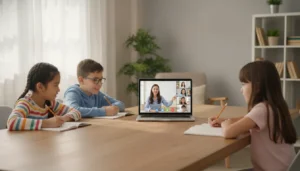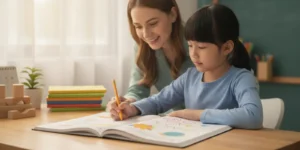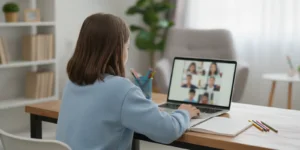


For students, the switch to learning from home was a confusing and often isolating experience. The daily structure of school disappeared, replaced by long hours in front of a screen. Keeping children engaged and motivated became a primary challenge for parents and teachers alike. The period of online distance learning during the pandemic revealed that while some students struggled with the lack of in-person interaction, others surprisingly thrived with the newfound flexibility and self-paced environment. This contrast showed us that a one-size-fits-all approach to education doesn’t work and highlighted the importance of creating personalized learning paths that cater to each child’s unique needs and strengths.
Key Takeaways
- Emergency remote teaching is not true online education: The pandemic forced a temporary, crisis-driven response. In contrast, established online schools offer intentionally designed programs with accredited curricula and teachers who are experts in virtual instruction.
- Flexibility can transform how your child learns: One of the biggest lessons was that many students do better with a self-paced schedule. The ability to review lessons and learn without classroom pressure helps build confidence, independence, and a deeper understanding of the material.
- The right support system makes all the difference: Technology is just one piece of the puzzle. A successful online experience relies on a strong partnership between the school, experienced teachers, and the family, with a shared focus on communication and student well-being.
How the Pandemic Changed Schooling Overnight
It’s a moment no parent will ever forget. One day, your children were in their classrooms, and the next, the school doors were shut. The shift to remote learning was sudden and massive, affecting families everywhere from Arizona to New Hampshire. This wasn’t a planned transition; it was an emergency response that threw parents, students, and teachers into a new world of education with almost no preparation. While it was a shared global experience, it highlighted major differences between crisis-schooling and a truly effective online education. Understanding what happened helps us see what a well-structured, supportive online learning environment should really look like.
The Sudden Shift to Remote Learning
In the spring of 2020, the world of education changed in an instant. Schools across the country and the globe moved online, impacting an estimated 1.6 billion students. This wasn’t a gradual change but an abrupt pivot that left little time for planning. Families found themselves setting up makeshift classrooms at their kitchen tables, trying to make sense of new schedules and digital tools. The goal was simply to keep learning going, but this rapid adaptation to online environments was a massive undertaking for everyone involved. It was a period of immense stress and uncertainty, forcing a worldwide experiment in remote education on an unprecedented scale.
Emergency Teaching vs. Planned Online Education
What most families experienced during the pandemic wasn’t true online schooling; it was emergency remote teaching. There’s a big difference. Emergency teaching lacked the thoughtful structure, teacher training, and student support that are hallmarks of a quality online program. It was a temporary fix. In contrast, a well-designed online education, like the accredited programs at Ideal School, is built from the ground up for a virtual environment. Lessons are intentionally crafted for online engagement with a mix of activities, and teachers are experts in connecting with students through a screen. This planned approach creates a consistent, supportive, and effective learning experience that emergency measures simply couldn’t replicate.
Uncovering Gaps in Technology and Access
The sudden move online quickly revealed a significant digital divide. Many families, whether in Utah or North Carolina, struggled with reliable internet access and having enough devices for every child. Parents were suddenly tasked with being IT support while juggling their own work and household responsibilities. This situation highlighted that access to technology is a fundamental issue of equity in education. Schools had to scramble to figure out which students needed equipment, but many families still faced barriers. The experience showed that for online learning to be successful for everyone, you need a system that ensures every student has the tools and support they need to participate fully.
How Schools Responded to the Online Shift
When schools everywhere closed their doors, the response was a massive, real-time experiment in remote education. Districts, teachers, and families had to adapt almost instantly, piecing together solutions to keep learning going. This period highlighted the difference between crisis-driven remote instruction and thoughtfully designed online education. Schools scrambled to find their footing in a new digital landscape, facing challenges with technology, training, and access that reshaped our understanding of what it takes to learn effectively online.
Adopting New Digital Platforms
The immediate challenge for schools was finding and implementing digital tools to replace the physical classroom. This sudden pivot to remote learning was an emergency measure, not a planned transition. As a result, many of the initial solutions were inconsistent and struggled to replicate the classroom experience. The World Bank reported that this disruption affected 1.6 billion students globally, often widening pre-existing learning gaps. This experience showed that simply moving classes to video calls isn’t enough. True online learning requires a cohesive, integrated platform designed specifically for education, with a curriculum built to be delivered digitally from the start.
Getting Teachers Up to Speed, Fast
Putting classes online also meant teachers had to become virtual instructors overnight, often without adequate training. Effective online courses are intentionally designed with shorter lesson segments, a mix of activities like quizzes and discussions, and clear paths for students to follow. Many teachers, however, were left to figure this out on their own. The most successful transitions happened when educators received ongoing training in digital skills and new teaching methods. This underscored the importance of having experienced online teachers who are not just subject matter experts, but are also skilled in engaging students through a screen and managing a virtual classroom environment.
Bridging the Device and Internet Gap
Access to technology quickly became a major barrier. Not every family had a reliable computer or high-speed internet for each child, a problem seen everywhere from rural parts of Utah and New Hampshire to urban centers in Arizona and North Carolina. Schools had to quickly figure out which students needed equipment and how to get it to them. Many parents found themselves juggling technology issues on top of their own work and household responsibilities. This situation made it clear that for online learning to be equitable, schools must have a plan to provide the necessary devices and internet support. It’s a fundamental piece of the puzzle that ensures every student has a fair chance to participate and succeed.
The Challenges Students and Educators Faced
The rapid move to online learning wasn’t a simple switch. It brought a host of new difficulties for everyone involved. Families, teachers, and students found themselves in uncharted territory, trying to make school work from home. From spotty internet connections to the emotional strain of isolation, the pandemic highlighted some major hurdles in education that we can now learn from.
The Digital Divide: Access and Equity Issues
Not every family had the tools for online school. The “digital divide” became a real, everyday problem when a reliable computer and high-speed internet turned into classroom essentials. In states from Arizona to North Carolina, many households, particularly in rural areas, struggled with poor connectivity. This left parents scrambling to find solutions while juggling their own work and home responsibilities. The challenge wasn’t just about having a device; it was about having enough devices for multiple children, consistent internet that didn’t drop during a lesson, and the tech-savviness to troubleshoot problems on the fly. This situation placed an immense amount of pressure on families who were already stretched thin.
When Teachers Weren’t Prepared for Virtual Classrooms
Most teachers are passionate about helping students learn, but very few were trained to do so through a screen. The emergency remote teaching that happened overnight was a world away from a planned, structured online curriculum. Many educators were forced to adapt their in-person lesson plans for a virtual setting, which often didn’t translate well. A truly effective online learning experience requires a different approach, one with shorter lesson segments, interactive activities, and clear, intuitive navigation. Without specific training and resources, even the most dedicated teachers found it difficult to create the dynamic and engaging environment their students needed to thrive.
Keeping Students Engaged and Motivated
It’s one thing to get a student online; it’s another to keep them focused and excited to learn. The challenges of distance learning quickly became apparent as students faced long hours in front of a screen, often without the hands-on projects and peer interactions that make school fun. Motivation can dip when the structure of a physical classroom disappears. Experienced online instructors know how to build a sense of community virtually, using tools like ice-breaker activities and video introductions to create a warm and welcoming atmosphere. But for many, the sudden shift left little time to develop these strategies, making student engagement a constant uphill battle.
Addressing Social Isolation and Mental Health
School is where many children build their social skills and friendships, and losing that daily connection took a toll. The isolation of learning from home, combined with the general anxiety of the pandemic, created significant mental health challenges for students. This stress could directly disrupt a child’s ability to learn and process information. Meanwhile, parents felt the strain, too. Many reported feeling overwhelmed by the responsibility of managing their child’s education on top of everything else. This created a stressful home environment that impacted the well-being of the entire family, highlighting the need for strong support systems in any learning model.
How Did Remote Learning Affect Student Performance?
When schools everywhere switched to remote learning, the results were complex. There wasn’t a single, simple story about student achievement. For many families in states like Arizona and Utah, the experience highlighted both the challenges and the surprising benefits of learning from home. While some students struggled with the lack of in-person structure, others discovered a new way of learning that truly worked for them. This period gave us a crash course in what separates emergency online schooling from a truly effective, planned virtual education.
Measuring the Impact on Academic Progress
It’s easy to assume that academic performance took a universal hit, but the data tells a more interesting story. For certain subjects, online learning actually led to better outcomes. One study found that students performed better in math when learning online because they could work at their own pace. The ability to pause a lesson, rewatch a tricky explanation, and practice a concept until it clicks is a powerful tool. This is especially true for subjects that involve step-by-step reasoning. When a child isn’t rushed, they can build a much stronger foundation of understanding, a core principle behind well-structured asynchronous classes.
The Challenge of Virtual Classroom Participation
Of course, the sudden shift to remote learning created significant hurdles. Many schools in North Carolina, New Hampshire, and beyond were simply not prepared. The main issue was that many districts tried to replicate the traditional classroom online, an approach that often falls flat. This “emergency remote teaching” was a temporary fix, not a long-term strategy. Teachers did their best, but without proper training and resources for online instruction, it was difficult to keep students engaged. This experience showed us that effective online education requires a curriculum designed specifically for the virtual environment, delivered by teachers trained to teach online.
The Upside: Flexible Pacing and Replaying Lessons
One of the clearest benefits to emerge from remote learning was the flexibility it offered. For many children, the pressure of a traditional classroom can be intimidating. Online, a student who is hesitant to raise their hand in front of 30 peers might feel more comfortable typing a question in a chat box. More importantly, the power to control the pace of a lesson is transformative. If a concept is confusing, your child can rewind and review it multiple times without feeling self-conscious. This self-paced approach helps build confidence and ensures students truly master the material before moving on, which is a key advantage of a full-day online program.
Fostering Independence and Self-Directed Learning
An unexpected outcome of learning from home was the growth in students’ independence. Without a teacher physically present to manage every minute of the day, many children learned to take more ownership of their schedules and assignments. They developed crucial skills in time management, problem-solving, and self-motivation. While this was a challenge initially, it helped foster a sense of responsibility that serves them well beyond the classroom. A well-designed online school environment encourages this growth, guiding students to become more self-directed learners who are prepared for future academic and personal success. This focus on developing the whole child is central to our school’s philosophy.
How Parents Stepped Up to Support Learning at Home
When the world shifted to remote learning, parents became the unsung heroes of the education system. Almost overnight, kitchen tables in homes from Arizona to North Carolina transformed into classrooms. Parents took on the immense responsibility of facilitating their children’s education while managing their own work, household duties, and the ambient stress of a global crisis. This period highlighted the incredible resilience and dedication of families everywhere, showing just how adaptable they could be under pressure.
The transition wasn’t just about making sure a child logged into a video call on time. It involved becoming a tech troubleshooter, a motivational coach, and a teaching assistant, all rolled into one. Parents had to create a supportive learning environment from scratch, often with limited resources or guidance. They learned to navigate new digital tools, build new lines of communication with teachers, and discover creative strategies to keep their children engaged and on track. This experience reshaped the parent’s role in education and revealed just how crucial their partnership is to a student’s success, no matter what the classroom looks like.
Juggling Work, Life, and School Support
The balancing act for parents during the pandemic was nothing short of extraordinary. Many found themselves juggling multiple responsibilities, from their full-time jobs to ensuring their children had the right technology and a stable internet connection. The challenge of keeping a child focused on a screen for hours became a daily struggle for families across Utah and New Hampshire. Parents had to quickly learn new digital platforms, troubleshoot technical glitches, and find ways to maintain their child’s motivation without the structure of a physical classroom. It was a crash course in patience and multitasking, proving that a parent’s job truly never ends.
Staying Connected with Teachers and Schools
Clear and consistent communication became the lifeline that connected homes and schools. Parents and teachers had to forge a new kind of partnership, relying on emails, apps, and video calls to stay on the same page. The schools that succeeded were those that actively sought feedback and kept parents in the loop with positive, supportive messages. This two-way dialogue was essential for addressing challenges as they arose and for making parents feel like valued partners in their child’s education. Having experienced and accessible teachers who are skilled in online communication makes all the difference in building that crucial bridge between learning at home and school-led instruction.
What Worked: Effective Home Learning Strategies
Through trial and error, parents discovered what truly worked for learning at home. Creating a dedicated, quiet space for schoolwork helped set boundaries between “home time” and “school time.” Establishing a consistent daily routine brought a sense of normalcy and structure to the day, which was vital for keeping children focused. Many parents also found success by incorporating breaks for physical activity and hands-on projects to combat screen fatigue. These strategies highlighted the value of a flexible learning environment, where education can be tailored to fit a child’s unique needs and rhythms, a core principle of well-designed online schools.
The Tech and Tools That Powered Remote Learning
When schools went remote, the focus immediately shifted to technology. It wasn’t just about moving lessons onto a screen; it was about finding digital ways to replicate the entire school environment. This meant a whole ecosystem of tools had to be adopted overnight. Video conferencing platforms became the new classrooms, but they were just the beginning. Schools also needed learning management systems to organize assignments, interactive apps to keep students engaged, and new methods for assessing progress from a distance.
This rapid transition was essentially a massive, unplanned experiment in educational technology. It forced educators and families in states from Arizona to New Hampshire to quickly figure out what works. We learned that simply talking at a camera wasn’t enough. The most successful online learning environments used a thoughtful mix of tools to create a dynamic and supportive space. The technology that powered remote learning had to be more than a simple substitute for the classroom; it had to offer new ways to connect, collaborate, and learn. This period of intense adaptation revealed which tools were truly built for education and which were just temporary fixes.
Video Platforms Built for the Classroom
At the heart of the remote learning experience were video conferencing platforms. Tools like Zoom and Google Meet instantly became the virtual schoolhouse, providing a space for teachers and students to see each other and connect in real time. Initially, it was a scramble to adapt business-focused software for educational needs. But soon, these platforms began rolling out features designed specifically for the classroom, like breakout rooms for small group work, virtual hand-raising, and integrated polls. These features were crucial for creating a structured and interactive full-day program online, allowing teachers to manage their virtual classrooms more effectively and give students a sense of normalcy and routine.
Making Learning Interactive and Accessible Online
Beyond live video lessons, the real challenge was keeping students actively involved with the material. This is where a new wave of interactive tools came into play. Digital whiteboards allowed for real-time brainstorming, while educational apps made reviewing concepts feel more like a game. Well-designed online courses moved beyond simple lectures, incorporating a mix of short video lessons, quizzes, and discussion forums. This approach allows students to learn at their own pace, which is a core principle of asynchronous classes. By offering different ways to engage with the content, these tools helped make learning more accessible and effective for students with diverse learning styles.
Rethinking Tests and Assessments
How do you give a test when everyone is in a different location? This question forced a major shift in how schools measure student understanding. Traditional, high-stakes exams were difficult to administer securely, leading many educators to adopt alternative assessment methods. Online quizzes, project-based assignments, and digital portfolios became more common, as they measure a student’s ability to apply knowledge rather than just recall facts. This change encouraged a deeper level of learning and provided a more holistic view of a student’s progress. For programs leading to an American High School Diploma, finding reliable and meaningful ways to assess learning was essential for maintaining academic integrity.
Creating Virtual Spaces for Collaboration
One of the biggest concerns with remote learning was the loss of social interaction. School is where many children learn to work in teams, share ideas, and build friendships. To fill this gap, educators used technology to create virtual spaces for collaboration. Breakout rooms became the go-to for small group discussions, and shared documents allowed students to work together on projects in real time. Research shows that giving students collaborative opportunities is a powerful way to increase their motivation. These tools helped foster a sense of community and teamwork, proving that meaningful peer-to-peer learning can happen even when students aren’t in the same room.
How the Pandemic Reshaped the Future of Schooling
The global shift to remote learning was a massive, unplanned experiment that changed our relationship with education forever. While it came with undeniable challenges, it also opened our eyes to new possibilities for how children can learn and grow. It pushed us to reconsider the traditional classroom model and explore more flexible, personalized, and accessible ways to deliver quality education. This period of rapid change has left a lasting mark, shaping a new landscape for schooling that continues to evolve.
The Rise of Hybrid and Blended Learning
The sudden move to online classes showed many families the potential of a more flexible school schedule. Now, there’s a strong consensus that education will increasingly become “blended,” mixing online instruction with other learning formats. This hybrid approach combines the structure of traditional schooling with the freedom of learning from home. For families in states like Arizona and Utah, this means more choices than ever before. Programs that offer mixed classes give students the ability to balance live instruction with self-paced work, creating a schedule that fits their unique family life and learning style.
Why Digital Literacy Is Now a Core Skill
One of the clearest takeaways from the pandemic is that simply having technology isn’t enough. Effective online learning depends on skilled teachers who know how to use digital tools to create engaging and supportive virtual classrooms. According to the World Bank, ongoing teacher training is essential for success. This experience highlighted that digital literacy is a fundamental skill for modern students. At Ideal School, our certified teachers are experts in online instruction, equipped to guide children in becoming confident and capable digital citizens.
Embracing Personalized and Flexible Education
Many families discovered that their children thrived with the flexibility of online school. It gave students more control over their learning pace and environment, allowing them to focus better without the social pressures or distractions of a physical classroom. This is especially true for families in places like North Carolina and New Hampshire who value a more tailored educational path. Whether through a full-day structured program or asynchronous classes that allow for self-directed study, personalized education helps children learn in the way that works best for them, building independence and a genuine love for learning.
New Opportunities for Access and Equity
While the pandemic disrupted education on a global scale, it also created a powerful opportunity to rethink who has access to quality schooling. Online learning removes geographical barriers, making it possible for a student anywhere to attend a top-tier school. This shift has opened doors for families seeking specialized programs, like bilingual education, that may not be available in their local district. By providing a fully accredited American diploma online, schools can offer a world-class education to students no matter where they live, creating a more equitable and interconnected global learning community.
Taking the Best of Online Learning Forward
The global shift to remote learning taught us invaluable lessons about what works and what doesn’t. While emergency remote teaching was a temporary fix, it opened the door for families to see the potential of a more flexible, personalized approach to education. Moving forward means taking the best parts of that experience and building on them with intention, structure, and a deep understanding of student needs. It’s about creating learning environments that are resilient, supportive, and tailored to the individual.
What Makes Online Learning Truly Work
One of the biggest takeaways from the pandemic is that online learning is not a one-size-fits-all solution. It’s most effective when it’s designed to fit different learning styles and subjects. For some students, a structured, live class is best, while others thrive with the flexibility to work at their own pace. The key is having options. A truly effective online school offers a variety of formats, from asynchronous classes to full-day programs. This allows families to choose what works for their child’s personality and their family’s schedule, ensuring that the educational experience is supportive rather than stressful.
The Need for Flexible and Prepared School Systems
The chaos of 2020 highlighted the difference between emergency measures and planned online education. Many schools lacked the proper planning and teacher training to make the transition smooth. For online learning to be successful, school systems need to be built for it from the ground up. This means having a proven curriculum, trained educators, and the right technology in place long before it’s needed. An accredited online school provides this stability. It also means regularly checking in on student readiness and having the resources to adapt, ensuring every learner has what they need to succeed in a digital environment.
How to Support Every Student’s Needs
The pandemic reminded us that education is a partnership between schools and families. We learned that parental involvement is crucial for remote learning, but parents need guidance and tools to effectively support their children. A great online school provides clear communication and resources for parents. It also uses technology to cater to diverse student needs. For example, different types of digital learning can be a game-changer for students who struggle in traditional settings or just need extra help in certain subjects. Options like one-on-one tutoring or supplemental classes can provide that personalized support.
Prioritizing Mental Health in Any Learning Model
Beyond academics, the last few years have put a much-needed spotlight on student well-being. Schools recognized the importance of focusing on social, emotional, and mental health. The stress of adapting to new routines and feeling isolated took a toll on many young learners. A well-designed online program can address this by creating a supportive and safe community. It can reduce social pressures that exist in traditional schools and offer a more comfortable setting for students to learn and grow. Fostering a positive global learning environment is just as important as the curriculum itself.
Frequently Asked Questions
What’s the difference between the remote learning we did in 2020 and a real online school? What most families experienced was emergency remote teaching, which was a temporary fix put together with very little preparation. A dedicated online school, on the other hand, is built from the ground up for virtual learning. This means the curriculum is intentionally designed for an online format, the teachers are specifically trained to engage students through a screen, and the technology is integrated seamlessly to create a consistent and supportive learning environment.
My child had a hard time staying engaged with online classes. How do you keep students motivated? This was a common struggle during the pandemic, often because schools tried to replicate a long, in-person school day on a video call. Effective online education uses a different approach. It involves a mix of live instruction, interactive activities, and self-paced work to prevent screen fatigue. Our teachers are experts at building a sense of community in their virtual classrooms, using collaborative projects and small group discussions to keep students connected and excited to participate.
I had to become my child’s IT support and teacher’s aide. What role do parents play in a planned online school? While parental partnership is always important, your role in a structured online program is to be a supporter, not a substitute teacher. A well-established online school provides the curriculum, the instruction, and the technical framework. Your main role is to help create a positive learning space at home and stay in communication with teachers, who are there to handle the academic instruction and guide your child’s progress.
Can my child really learn as much online as they would in a traditional classroom? Yes, and in some cases, they can learn more deeply. Online learning allows for a more personalized pace. If a student needs more time with a concept, they can rewatch a lesson or practice an activity without the pressure of keeping up with 30 other students. This self-directed approach helps build confidence and ensures a solid understanding of the material before moving on, which is a powerful advantage for long-term academic success.
What about the social side of school? How do students connect with each other? This is a huge priority in a well-designed online school. We intentionally create opportunities for students to build friendships and develop social skills. This happens through collaborative projects in virtual breakout rooms, school-wide clubs, and interactive class discussions. By connecting with peers from different backgrounds and cultures, students build a global perspective and learn valuable teamwork skills in a supportive setting.

Written by
Eric C. Franzen
Eric C. Franzen is co-founder and owner of Ideal School, with 20+ years of experience as an educational leader and entrepreneur. He holds a BA in Education from the University of Washington and an MA in Educational Administration from Seattle Pacific University.
View LinkedIn Profile →