

The idea of online school often brings up a lot of questions about socialization and student engagement. It’s natural to wonder if your child will get the same level of interaction they would in a traditional building. But the reality of modern online education might surprise you. The most effective programs are not just a collection of digital assignments; they are thriving communities. At the heart of these communities are online schools with live teachers, where students attend scheduled classes, collaborate on projects, and get immediate feedback from their instructors. This approach transforms learning from a solitary activity into a connected, collaborative experience. Here, we’ll explore how these live classrooms work and what makes them such a powerful choice for families.
Key Takeaways
- Live Instruction Creates a Real Classroom Connection: Opting for a school with live teachers means your child gets real-time support, can participate in discussions, and builds relationships with educators and peers, making the virtual experience more engaging and effective.
- Accreditation and Teacher Quality Are Non-Negotiable: When comparing schools, verify their accreditation to ensure the diploma is recognized and look into teacher qualifications. These two factors are the clearest indicators of a high-quality, legitimate educational program.
- Structure at Home Is Key to a Smooth Transition: Your role is crucial in the switch to online school. You can set your child up for success by establishing a consistent daily routine, creating a dedicated learning space, and maintaining open communication with their teachers.
What Is an Online School with Live Teachers?
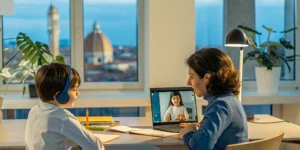
When you hear “online school,” you might picture a student working alone through pre-recorded lessons. But many online schools offer something much more dynamic: live instruction with real teachers. This model blends the flexibility of remote learning with the structure and personal connection of a traditional classroom. It means your child isn’t just consuming content; they’re actively participating in a learning community, guided by an educator who knows their name. Students can ask questions and get answers in the moment, ensuring they stay engaged and motivated.
Real-Time Instruction vs. Self-Paced Learning
The biggest difference in online education comes down to synchronous versus asynchronous learning. An online school with live teachers focuses on synchronous, or real-time, instruction. This means your child attends scheduled classes where they can engage directly with educators and classmates through a virtual platform. It’s a structured environment that provides a consistent daily routine. In contrast, self-paced learning involves students working through assignments on their own. Many families find that a mixed program, which blends both, offers the perfect balance of structure and independence.
Common Live Teaching Formats
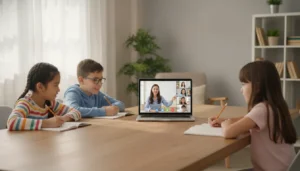
Live online classes are much more than a video lecture. Teachers use interactive tools to create a vibrant learning environment. During these sessions, educators deliver lessons, facilitate group discussions in virtual breakout rooms, and answer questions on the spot. They might use interactive whiteboards for math problems or share their screen for a science demonstration. This format is designed to keep students actively involved and provide immediate feedback. The goal is to create a collaborative space where students feel seen and supported, making the full-day program a truly connected experience.
Why Accreditation and Curriculum Matter
When choosing an online school, accreditation is one of the most important factors. It’s a formal review process that ensures a school meets high educational standards. This is your signal of quality and legitimacy, confirming that the school’s curriculum is rigorous, its teachers are qualified, and its diploma will be recognized by other institutions. A school’s accreditation status gives you confidence that your child is receiving a well-rounded education that prepares them for their next steps. It’s the best way to verify you’re investing in a program that is both effective and reputable.
The Best Online Schools with Live Teachers
Finding the right online school with live instruction can feel like a huge task, but it’s all about knowing what to look for. The best programs offer a blend of engaging live classes, qualified teachers, and a curriculum that fits your child’s needs. When a school provides real-time interaction, it helps students stay engaged, ask questions as they come up, and build meaningful connections with their instructors and classmates. This live component is often what makes the difference between simply completing assignments and truly understanding the material. It transforms online learning from a solitary activity into a collaborative, community-driven experience.
Many families find that live instruction helps establish a consistent daily routine, which is essential for keeping children on track and motivated. It also gives you, as a parent, a clearer window into your child’s academic progress and social interactions. Whether you’re looking for a bilingual environment, a college-prep track, or a more flexible schedule, there’s an option out there that can provide that crucial face-to-face connection in a virtual setting. We’ve gathered five top-tier online schools that stand out for their commitment to live teaching and student success, helping you compare what each one brings to the virtual table.
Ideal School: Accredited Bilingual Education with Live Instruction
Ideal School is a fantastic choice for families seeking a fully accredited, bilingual education. Students get to interact directly with teachers in live classes, creating a dynamic and supportive learning environment. The full-day program covers all five core subjects, ensuring your child receives a well-rounded education in both English and Spanish. What really sets Ideal School apart is its focus on creating global citizens through language immersion and cultural understanding. With accreditation that is recognized worldwide, you can be confident that your child is receiving a high-quality education that prepares them for future success, no matter where their path leads.
K12 Schools: Comprehensive Curriculum Options
K12 offers a wide range of tuition-free and private school options, making it a versatile choice for many families. Their model centers on virtual classrooms led by state-certified teachers who are specifically trained for online instruction. This structure provides a great deal of flexibility, freeing students from the constraints of a traditional school day. K12’s approach is designed to cater to diverse learning needs, allowing children to learn at their own pace in a comfortable setting. With a comprehensive curriculum and dedicated teacher support, K12 provides a solid framework for students to thrive academically from home.
Connections Academy: Personalized Learning Approach
Connections Academy operates as a tuition-free online public school, focusing on a highly personalized learning experience. Their philosophy is built around the idea that every child learns differently, and their program is designed to adapt to individual paces and styles. Students from K-12 can learn from home with a curriculum that meets rigorous state standards, all while receiving guidance from certified teachers. This approach is great for students who benefit from a more tailored educational plan, as it allows them to spend more time on challenging subjects and move ahead in areas where they excel.
Time4Learning: Flexible Scheduling with Teacher Support
If your family’s top priority is a flexible schedule, Time4Learning is an excellent option to consider. This program is designed as a curriculum tool that can be used for homeschooling, after-school skill-building, or summer learning. While it’s more self-paced than the other schools on this list, it provides families with the tools to create a daily schedule that works for them. The program includes access to lesson plans and teaching tools to help parents guide their children, offering a structured yet adaptable approach to online education. It’s a great way to maintain control over your child’s learning schedule while still having a robust curriculum at your fingertips.
Pearson Online Academy: College Prep Focus
For students with their sights set on higher education, Pearson Online Academy offers a rigorous, college-preparatory curriculum. This accredited private school is known for its high academic standards and its focus on preparing students for success in college and beyond. The program emphasizes critical thinking, personal growth, and academic excellence, with a wide range of courses, including honors and AP classes. Students receive instruction from experienced teachers and guidance from college counselors, making it a strong choice for families who want a structured and challenging online program that paves a clear path to a top university.
How Much Do Online Schools with Live Teachers Cost?
Figuring out the cost of online school is a huge part of the decision-making process for any family. The price for an online school with live teachers can vary quite a bit, much like traditional schools. The final cost often depends on several factors, including the school’s accreditation, the depth of its curriculum, the amount of live instruction, and the types of programs you choose. A full-day, synchronous program will have a different price point than a few supplemental courses.
While looking at the numbers, it’s helpful to also consider the value you’re getting. You’re investing in a learning environment that can offer personalized attention, a flexible schedule that fits your family’s life, and access to unique programs—like a fully bilingual education—that might not be an option in your local area. Think of this as a guide to understanding the complete financial picture, from the main tuition fees to other potential costs. This way, you can find a fantastic school that aligns with your child’s needs and your family’s budget.
Understanding Tuition and Pricing
Tuition is the primary cost you’ll encounter, and it’s where you’ll see the most variation between schools. A comprehensive cost analysis of online education often shows that it can be more affordable than traditional private schooling, partly because you save on things like transportation, uniforms, and some school fees. The price you pay will directly relate to the program you select. For example, an immersive, full-day program with daily live classes will cost more than a flexible, asynchronous option with weekly check-ins.
The best schools are transparent about their pricing. Look for a clear breakdown of costs on their website. For instance, many schools provide a detailed schedule of their tuition for different programs, so you know exactly what to expect before you even apply.
Exploring Payment Plans and Financial Aid
Don’t let the initial tuition figure deter you. Most private online schools understand that this is a significant investment for families and offer ways to make it more manageable. Many provide flexible payment plans, allowing you to spread the cost over several months instead of paying in one lump sum. It’s also a great idea to ask the admissions office about other financial options. Some schools offer scholarships, sibling discounts, or other forms of aid.
The most important step you can take is to have an open conversation with the schools you’re interested in to explore what financial arrangements are available. This ensures you have a full understanding of how to make a world-class education work for your family’s budget.
Hidden Costs to Consider
To get a true sense of the total investment, you need to look beyond the tuition. It’s important to ask what is and isn’t included in the main price. Some schools might have additional fees for curriculum, textbooks, lab materials, or specific software. You should also factor in the technology your child will need, such as a reliable computer and high-speed internet access.
Furthermore, the overall costs of online learning should include student-support services. Access to guidance counselors, academic advisors, and special education resources are vital parts of a quality education. Find out if these services are built into the tuition or if they come at an extra cost. Asking for a complete fee schedule upfront will help you budget accurately and avoid surprises.
Comparing Free vs. Paid Programs
You’ll find both free and paid online schools, and it’s helpful to understand the difference. Free online public schools are funded by the state and are generally only an option for families residing in that state. They can be a solid choice but may have larger class sizes, less curriculum flexibility, and specific enrollment criteria.
Paid private online schools operate independently, which gives them the freedom to offer specialized programs, a global student body, and unique educational philosophies, like Ideal School’s bilingual curriculum. These schools are often held to high standards through their accreditation. In these structured programs, students learn in virtual classrooms guided by teachers who are experts in online education. The tuition for a private school funds this more tailored, and often more supportive, learning experience.
How to Choose the Right Online School
Finding the perfect online school for your child can feel like a huge task, but it really comes down to asking the right questions. Beyond the curriculum and cost, you’ll want to look at the people, the technology, and the support systems that will shape your child’s daily experience. A great online school is more than just a collection of lessons; it’s a community designed to help students thrive. As you compare your options, think about what matters most to your family. Do you need a flexible schedule? Is a strong sense of community a priority? Focusing on these key areas will help you find a program that not only meets academic standards but also fits seamlessly into your life.
This process is about finding an educational partner that understands your child’s unique needs and your family’s goals. It’s an opportunity to choose an environment where your child will feel seen, supported, and engaged. When you evaluate a school, consider how it fosters a love of learning and encourages curiosity. Look for signs of a vibrant school culture, even in a virtual setting. By looking closely at the details—from teacher credentials to the kind of support offered to new families—you can make a confident choice that sets your child on a path to success. The right fit will make learning feel less like a chore and more like an adventure.
Teacher Qualifications and Certifications
The quality of an online school often comes down to the quality of its teachers. Look for schools that hire certified educators with experience in virtual instruction. Teaching online requires a different skill set than teaching in a traditional classroom, and you want instructors who are adept at engaging students through a screen. Don’t hesitate to ask about teacher credentials, ongoing professional development, and how they build relationships with their students. At Ideal School, we believe in transparency, which is why we proudly introduce you to our teachers and their qualifications. A great teacher can make all the difference in your child’s motivation and academic success.
Technology and Technical Support
A smooth learning experience depends on reliable and intuitive technology. The school’s learning management system (LMS) should be easy for both you and your child to use. Before enrolling, see if you can get a demo of the platform. You should also confirm that the school offers robust technical support. When a technical issue pops up—and it will—you want to know that a helpful support team is available to resolve it quickly. A well-designed platform with strong backup support ensures that learning remains the focus, minimizing frustration and lost time. This structure helps families create a daily schedule and keep track of learning without technical headaches.
Curriculum and Personalization Options
A strong curriculum is the foundation of any good school. Look for a program with a curriculum designed specifically for online learning, as simply digitizing textbooks isn’t enough. It’s also crucial to verify the school’s accreditation, which ensures that it meets high academic standards and that the credits or diploma earned will be widely recognized. Beyond the core subjects, consider what personalization options are available. The best online schools offer different learning paths or supplemental classes to cater to a student’s individual pace, interests, and learning style, ensuring they feel both challenged and supported.
Social and Peer Interaction
One of the most common questions about online school is about socialization. While it looks different from a traditional school, there are plenty of opportunities for students to connect and build friendships. Look for schools that facilitate social interaction through live online classes, virtual clubs, group projects, and school-wide events. These activities help students develop important communication and collaboration skills. Programs that offer mixed classes with both live and independent work often provide a great balance, giving students a chance to interact with peers and teachers in real time while still enjoying the flexibility of online learning.
Parental Involvement and Support
In an online school setting, parents often take on the role of a “Learning Coach,” especially for younger children. It’s important to understand what the school expects from you and what support it provides to help you succeed in this role. A great online school will see you as a partner in your child’s education. They should offer regular communication with teachers, access to progress reports, and resources to help you guide your child’s learning at home. This collaborative approach ensures everyone is working together to help your child achieve their goals.
Support for New Families
The move from a traditional school to an online one is a big change for the whole family. The right school will have a structured onboarding process to make this transition as smooth as possible. Look for orientation sessions, family guides, and dedicated advisors who can answer your questions and help you get set up. Some schools offer placement assessments to ensure your child starts in the right courses. Knowing that there’s a system in place to help you through the first few weeks can relieve a lot of stress and set your family up for a positive and successful experience.
Making a Smooth Transition to Online School
Switching to an online school is a significant and exciting change for any family. While the idea of a new learning environment can feel a little daunting, a bit of preparation can make the move feel smooth and successful. Even when families are enthusiastic about online learning, the transition period involves some adjustment. Understanding these potential challenges in advance can help you create a supportive and effective learning environment at home from day one. The key is to approach it step-by-step, from the initial application to establishing a new daily rhythm. With the right mindset and tools, your family can confidently begin this new educational chapter.
The Application and Enrollment Process
The first step is finding a school that aligns with your family’s goals. Before you even start an application, take a moment to think about your “why.” Are you looking for more flexibility, a bilingual curriculum, or a different approach to learning? Knowing your motivation will help you choose the right program and stay focused during the transition. The enrollment process itself is usually straightforward. Most schools have an online portal where you’ll submit documents like past transcripts and proof of residency. Don’t hesitate to reach out to the admissions team with questions; they are there to guide you through every requirement.
Understanding Assessments and Placement
Once you’re enrolled, the school will want to understand your child’s current academic level to ensure they are placed in the right classes. This often involves a placement assessment or a review of their academic records. It’s not about passing or failing; it’s about finding the perfect fit so your child feels both challenged and supported. In a quality online program, teachers monitor student progress closely through live lessons and completed coursework. This continuous feedback loop ensures your child stays on track and gets the help they need right when they need it, ensuring their accredited education is effective from the start.
Setting Up Your Technology
Creating a dedicated and functional learning space is one of the most important steps you can take. You don’t need a separate room, but a quiet corner free from distractions works wonders. Ensure you have a reliable computer and a stable internet connection, as these are the primary tools for online learning. The school will provide a list of any specific software or hardware requirements. It’s a great idea to test everything before the first day of class to work out any technical kinks. This simple preparation helps your child start their first day feeling confident and ready to learn.
Establishing a Daily Routine
One of the biggest adjustments when switching to online school is setting and sticking to a schedule. While online learning offers incredible flexibility, structure is still essential for success. Work with your child to create a daily schedule that outlines class times, breaks, and time for homework or other activities. Posting the schedule somewhere visible can help everyone stay on track. Many programs, like a full-day program, already have a defined structure, which can make this process much easier. Building a consistent routine helps manage expectations and creates a clear distinction between “school time” and “free time.”
Overcoming Common Transition Challenges
It’s completely normal for there to be an adjustment period. Your child might miss the in-person social interactions of a traditional school or need time to get used to a new way of learning. The best way to handle these challenges is to keep the lines of communication open. Talk to your child about how they’re feeling and stay in regular contact with their teachers. Our teachers are experienced in helping new students adapt and can offer valuable strategies. Also, look for ways to encourage social connection, whether through the school’s virtual clubs or local extracurricular activities.
Frequently Asked Questions
How is a live online class different from just watching a video lesson?
Think of it as the difference between watching a cooking show and taking a cooking class. A pre-recorded video is a one-way street where your child passively receives information. A live class is an interactive experience where they are an active participant. They can raise their hand to ask a question, get immediate feedback from a teacher who knows their name, and collaborate with classmates in real-time on projects. This direct engagement is what keeps learning dynamic and helps students truly grasp new concepts.
Will my child still be able to make friends and socialize?
This is one of the most common concerns, and the answer is absolutely. Socialization in an online school is simply more intentional. Instead of unstructured time on a playground, friendships are built during collaborative group projects, in live class discussions, and through virtual clubs centered around shared interests like art or coding. These structured activities help students build meaningful connections with peers from around the world, developing communication skills that are essential today.
What is my role as a parent in my child’s online education?
Your role shifts from being a homework helper to a “Learning Coach,” especially with younger students. This means you’ll help create a productive learning environment, ensure your child stays on schedule, and serve as the main point of contact with their teachers. The best online schools see you as a partner and provide plenty of support, including regular progress updates and clear communication channels, so you never feel like you’re on your own.
How can I be sure an online school is high-quality and legitimate?
The single most important thing to look for is accreditation. This is a formal seal of approval from an independent agency, confirming that the school meets rigorous educational standards. A legitimate school will be transparent about its accreditation status, its curriculum, and the qualifications of its teachers. When a school proudly displays this information, you can feel confident that you are investing in a real education that will be recognized by colleges and other institutions.
What kind of support is available if my child struggles with a subject?
A major benefit of a school with live teachers is the built-in support system. Because instructors are interacting with students in real time, they can spot misunderstandings as they happen and offer immediate clarification. Most high-quality online schools also provide additional resources, such as one-on-one tutoring sessions or small group help. Teachers maintain open lines of communication, so you can work together to create a plan to ensure your child gets the support they need to succeed.

Written by
Eric C. Franzen
Eric C. Franzen is co-founder and owner of Ideal School, with 20+ years of experience as an educational leader and entrepreneur. He holds a BA in Education from the University of Washington and an MA in Educational Administration from Seattle Pacific University.
View LinkedIn Profile →