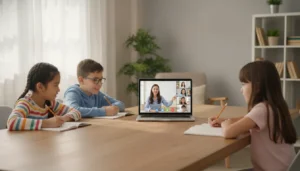




A common worry for parents considering online school is the potential for isolation. Will my child feel connected? Will they make friends? These are valid concerns, but the right virtual school is designed to build a vibrant community. The key is real-time interaction. A school built around pre-recorded videos can feel lonely, but one with daily, live classes feels like a real classroom. When you search for a West Virginia virtual elementary school with live teachers, you are looking for a place where your child can collaborate, ask questions, and build relationships with peers and educators, all from home.
Key Takeaways
- Prioritize live instruction for real engagement: A live virtual classroom allows your child to ask questions, collaborate with peers, and form genuine connections with teachers, creating a dynamic learning environment that pre-recorded lessons cannot replicate.
- Embrace your role as a Learning Coach: Your job is not to teach the curriculum but to create a supportive learning space at home. The best online schools provide the training and resources you need to help your child stay organized and motivated.
- Look for a school that supports the whole family: A quality online education goes beyond academics. Choose an accredited school that offers a complete support network, including technical help, clear communication with teachers, and resources for diverse learning needs.
What’s the Difference with Live Teachers in Virtual Schools?
When you explore online learning, you’ll quickly find that not all virtual schools operate the same way. One of the most significant differences comes down to the teacher’s role. Is your child learning from a live, interactive instructor in real-time, or are they watching pre-recorded videos? This distinction shapes the entire school experience, influencing everything from daily engagement and social interaction to the level of academic support your child receives. A school with live teachers offers a dynamic, responsive classroom, while one with pre-recorded lessons functions more like a library of information. Understanding this difference is the first step in choosing an online environment where your child will truly thrive.
Live Instruction vs. Pre-Recorded Lessons
Live instruction means your child logs into a class with a certified teacher and other students, creating a real-time learning environment. If a math concept is confusing, your child can raise their hand and ask a question on the spot. This immediate interaction is crucial for understanding and building confidence. In contrast, pre-recorded lessons require students to watch a video and complete work independently. While this offers flexibility, it can leave a child feeling stuck and frustrated when they can’t get instant clarification. With live teaching, learning is an active, two-way conversation, not a passive viewing experience. This direct access to qualified teachers makes a world of difference in a student’s progress.
Creating an Interactive Classroom
A common concern with virtual school is the lack of social interaction. However, live teachers are experts at building a vibrant classroom community online. They use interactive tools to facilitate group discussions, pair students for projects in virtual breakout rooms, and lead activities that encourage collaboration. This is where an online school starts to feel like a real school community. Students don’t just listen to a lecture; they connect with their peers, share ideas, and learn from one another. This approach transforms the screen into a collaborative space, helping children develop essential social skills alongside their academic ones in a structured full-day program.
Getting Immediate Feedback and Support
One of the greatest benefits of a live virtual classroom is the personalized and immediate support. A teacher can see in real-time if a student seems disengaged or is struggling with an assignment. They can then offer encouragement, re-explain a concept to the class, or pull the student into a small group for more focused help. This proactive support prevents small misunderstandings from turning into significant learning gaps. Instead of waiting for an email response, students get the help they need the moment they need it. This responsive environment, often supplemented by dedicated tutoring classes, ensures every child feels seen and supported on their learning path.
A Look at West Virginia’s Top Virtual Elementary Schools
When you start looking into virtual schools in West Virginia, you’ll find a few fantastic options that prioritize live instruction. Each school has its own unique approach, from bilingual programs to different daily schedules. Understanding these differences is the first step to finding the perfect fit for your child and your family. Let’s take a closer look at some of the top choices for elementary students in the state, so you can see what each one has to offer.
Ideal School’s Program for West Virginia Families
Ideal School stands out by offering a fully bilingual education, immersing students in both English and Spanish from an early age. This approach is integrated into a flexible and personalized learning environment designed for students from kindergarten through 12th grade. For families in West Virginia, this means access to a global classroom with certified teachers who provide tailored instruction. The school’s Full Day Program combines live classes with independent work, creating a balanced schedule that supports deep learning. With a focus on individualized attention, teachers ensure each child receives the help they need to succeed in a dual-language setting.
West Virginia Virtual Academy
As a tuition-free online public school, West Virginia Virtual Academy (WVVA) serves students across the state from kindergarten through 12th grade. The school is built around providing a flexible and personalized education that adapts to each student’s needs and interests. A key feature of their model is the live online classes called “Class Connects.” During these sessions, teachers work with students one-on-one or in small groups to provide direct instruction, tutoring, and support. This structure ensures that even in a virtual setting, students have regular, meaningful interactions with their educators, helping them stay engaged and on track with their learning goals.
West Virginia Virtual Home Academy
West Virginia Virtual Home Academy (WVVHA) is another tuition-free public school option for K-12 students that emphasizes daily, real-time interaction. The academy offers live classes every day with certified West Virginia teachers, creating a structured and predictable routine that many families appreciate. This daily schedule helps mirror the experience of a traditional classroom, where students can ask questions and participate in discussions with their teachers and peers in the moment. For parents looking for an online school that provides consistent, teacher-led instruction throughout the school day, WVVHA’s model is a strong contender.
Mountain State Virtual Academy
Mountain State Virtual Academy offers a comprehensive K-12 education designed to support students throughout their entire academic journey. The program is staffed by certified teachers who are dedicated to creating an engaging online learning environment. While some of its features, like dual-credit options and career readiness programs, are geared toward older students, its strong foundation at the elementary level prepares children for future success. This long-term perspective ensures that the curriculum is cohesive and builds year after year. For families seeking a stable and supportive K-12 pathway, Mountain State Virtual Academy provides a complete educational framework.
What Are the Benefits of Live Instruction?
When you picture virtual school, you might imagine your child working alone through pre-recorded lessons. While that self-paced model offers a lot of flexibility, it can miss a key component of learning: human connection. Live instruction bridges that gap by bringing a real, certified teacher and a classroom of peers directly to your child through a screen. This approach combines the convenience of at-home learning with the structure and dynamic interaction of a traditional school setting. It creates an environment where students aren’t just passive viewers of content but active participants in their education.
With live teaching, your child can ask questions in the moment, get instant feedback, and collaborate with classmates on projects. It’s the difference between watching a cooking show and taking a cooking class. Both can teach you something, but only one lets you interact with the chef. This real-time engagement is crucial for keeping young learners motivated and on track. The benefits are significant, from getting personalized attention that adapts to your child’s learning style to building genuine friendships with classmates. It’s a powerful way to ensure your child receives a well-rounded, supportive, and effective education online.
A Personalized Approach to Learning
Live instruction allows teachers to do more than just present information; it lets them adapt to each student’s needs in real time. A teacher can see the virtual “lightbulb” go on for one student or notice another who seems a bit lost. This allows them to adjust their lesson on the spot, offering extra examples or posing a new challenge to keep everyone engaged. Unlike a one-size-fits-all video, a live class is a dynamic space where the curriculum can be shaped around the learners. This personalized education ensures your child gets the specific support they need to truly understand the material and build confidence in their abilities.
Valuing Student-Teacher Interaction
The connection between a student and their teacher is fundamental to learning. In a live virtual classroom, that relationship has a chance to grow. Students can ask questions, share ideas, and receive immediate, encouraging feedback. Our caring and certified teachers make a point to create a welcoming environment where every child feels seen and heard. This consistent, positive interaction builds trust and makes students more comfortable participating. When children know their teacher is there for them, they are more likely to stay engaged, motivated, and excited about school each day. It transforms learning from a solitary activity into a shared experience.
Establishing a Structured Daily Schedule
One of the biggest challenges of at-home learning can be creating a consistent routine. Live classes provide a natural, built-in structure to the school day. Having a set time to log in for class helps children develop important time-management skills and understand expectations. This schedule provides a predictable rhythm that helps students stay on task and complete assignments by their due dates. For parents, it offers a clear framework for the day, making it easier to plan other activities. This blend of structure and flexibility is a core part of our Full Day Program, giving families a reliable school schedule without the morning commute.
Creating Social Learning Opportunities
Many parents worry about socialization when considering online school, and it’s a valid concern. Live instruction is one of the best ways to address it. In a live class, your child isn’t just learning alongside others; they are actively interacting with them. They can participate in group discussions, partner up for projects in virtual breakout rooms, and simply see and hear their peers. This creates a sense of community and belonging. Students learn to share their perspectives, listen to others, and work as a team. These daily interactions help build friendships and develop crucial social skills, proving that a strong global school community can thrive online.
A Guide to the Enrollment Process
Once you’ve decided that a virtual school is the right fit for your family, the next step is enrollment. It might seem like a lot to handle at first, but I promise the process is usually quite straightforward. Think of it as the first exciting step toward a new learning adventure for your child, and remember that you’re not doing it alone. Most schools, including ours, have a dedicated admissions team ready to help you with any questions along the way. We see enrollment as a partnership, a chance for us to get to know your family and for you to feel confident in your choice. It’s about making sure we’re the perfect match for your child’s learning style and your family’s goals.
Breaking the process down into smaller steps makes it feel much more manageable. We’ll walk through everything you need to know to get your child enrolled and ready for their first day of online class, from understanding the timeline to gathering your documents and preparing for any initial assessments. This guide will help you feel prepared and organized, so you can focus on the excitement of starting a new chapter in your child’s education. Let’s get started on building this foundation together.
Understanding Applications and Deadlines
Every online school has its own application process, so it’s a good idea to start by visiting the school’s website. Some schools have strict enrollment periods, especially state-funded programs in places like Arizona, Utah, or North Carolina. At Ideal School, we offer a more flexible, rolling admissions process for many of our programs, which means you can often enroll at a time that works for your family. The best first step is to explore the specific full-day program or classes you’re interested in and note any key dates. This helps ensure you have plenty of time to complete the application without feeling rushed.
Gathering Required Documents
To make enrollment as smooth as possible, it helps to gather all the necessary paperwork ahead of time. You’ll typically need a few key documents: your child’s birth certificate, proof of residency (like a utility bill), and immunization records or a signed exemption form. If your child has attended school before, you will also need their academic transcripts or report cards. Having these files scanned and ready on your computer will save you a lot of time when you sit down to fill out the application. This preparation helps our admissions team verify your child’s information and confirm our school’s accreditation aligns with your educational goals.
Meeting Technology Requirements
A successful online learning experience starts with the right tools. Your child will need a reliable computer or laptop and a stable internet connection to participate in live classes and access course materials. You don’t need the most expensive equipment, just a setup that allows for clear video and audio. Before enrolling, check the school’s specific technology recommendations. Our main goal is to connect every student with our expert teachers through interactive lessons, so ensuring your tech is ready will help your child engage fully from day one. Many of our mixed classes blend live instruction with independent work, making a dependable setup essential.
Preparing for Placement Assessments
Many online schools use placement assessments to get a clear picture of a student’s academic strengths and areas for growth. These aren’t high-pressure exams; they are simply tools to ensure your child is placed in the appropriate courses. For a bilingual school like ours, this step is especially important for determining the right language level. The results help our teachers tailor their instruction to meet your child’s needs and support their learning journey. We use these assessments to align with our curriculum standards and make sure every student is set up for success from the very beginning.
Breaking Down Costs and Financial Aid
When you’re choosing an online school, the cost is naturally a big piece of the puzzle. The financial side of virtual education can seem complicated, but it really boils down to two main paths: tuition-free public schools and private schools that charge tuition. Each has its own funding structure, and understanding the difference is the first step toward finding a solution that fits your family’s budget and educational goals. Public online schools are funded by the state, so you don’t pay for enrollment. This model is designed to make education accessible to everyone, following a curriculum that aligns with state standards. It’s a solid choice for families looking for a standard, no-cost virtual education.
Private schools, on the other hand, rely on tuition to provide specialized programs, like the accredited bilingual curriculum we offer at Ideal School. This funding model allows private institutions to innovate and offer unique educational experiences that you might not find in a public setting. This could include smaller class sizes, a specific educational philosophy, advanced placement courses, or a globally-focused curriculum. The good news is that even with private schools, there are often scholarships and financial aid programs available to help manage the cost. Thinking about the cost of education is really about understanding the value you’re looking for. Let’s walk through what you can expect from each option, including the extra expenses to keep in mind and specific financial aid opportunities available to families.
Comparing Tuition-Free and Private Options
The most significant financial difference between online schools is whether they are public or private. Tuition-free options, like the West Virginia Virtual Academy, are public schools funded by the state. This means there’s no direct cost for enrollment, and they provide a standard curriculum that meets all state requirements. This is a straightforward and accessible path for many families.
Private online schools are funded by tuition payments. This model allows them to offer unique programs you might not find elsewhere, such as a fully bilingual education, a specific teaching philosophy, or a more flexible asynchronous learning schedule. While there is a cost, it directly supports smaller class sizes, highly qualified teachers, and a specialized curriculum designed to give your child a distinct educational advantage.
Understanding Private School Tuition
When you invest in a private online school, you’re paying for a comprehensive and specialized educational experience. The tuition at Ideal School covers everything from live instruction with our dedicated teachers to our accredited, dual-language curriculum and a supportive global community. It’s an investment in your child’s future, preparing them with skills that go beyond the standard curriculum.
Many families find that private education is more accessible than they thought. Several states offer programs that help cover tuition costs. For example, states like Arizona, Utah, North Carolina, and New Hampshire have scholarship programs that can be applied to private school tuition. It’s always worth researching your state’s specific options to see what financial support is available.
Factoring in Material and Tech Costs
Whether you choose a tuition-free or private option, there are some out-of-pocket expenses to plan for. Even at public online schools, families are typically responsible for providing common school supplies like paper, printer ink, and notebooks.
The most important requirement for any virtual school is a reliable computer and a stable internet connection. While some programs may provide a device, this isn’t always the case, so it’s best to confirm the technology requirements during the enrollment process. These costs are an essential part of setting your child up for success in their online classroom, ensuring they can fully participate in lessons and complete their assignments without technical issues.
Exploring the West Virginia Hope Scholarship
For families in West Virginia, the Hope Scholarship Program is a fantastic resource that makes private education more attainable. This program provides funds to K-12 students for a variety of educational expenses. You can use the scholarship to pay for private school tuition, purchase homeschool materials, or cover other approved school costs.
This program gives families the freedom to choose the best educational environment for their children, regardless of their financial situation. If you’re considering a private online school like Ideal School, the Hope Scholarship can provide significant financial assistance, allowing your child to access a world-class bilingual education. It’s a powerful tool for customizing your child’s learning journey.
What to Expect from the Virtual Learning Experience
Switching to an online school environment is an exciting change for the whole family. It’s natural to wonder how your child’s daily life will look and what your role will be. A virtual classroom offers a different rhythm from a traditional school, but it’s built around the same goals: to help your child learn, grow, and connect with their peers and teachers. Let’s walk through what you can expect from the day-to-day experience.
A Look at a Typical School Day
An online school day mirrors the structure of a traditional one, typically lasting five to six hours plus time for homework. Your child’s schedule will include a blend of live instruction with teachers, independent project work, and breaks for lunch and recreation. This structure provides routine while also offering flexibility. For example, some programs allow students to complete assignments on a schedule that works best for their family. Ideal School offers several learning formats, from a Full Day Program with a set schedule to more flexible Mixed Classes that combine live sessions with independent learning. This balance helps students develop strong time-management skills within a supportive framework.
The Parent’s Role as a Learning Coach
As a parent, you’ll take on the role of a “Learning Coach.” This doesn’t mean you have to be a teacher; instead, you are your child’s primary supporter and motivator. Your main responsibilities will be to help your child stay organized, create a productive learning space, and monitor their schedule to make sure they attend live classes and complete assignments. You are a key partner in your child’s education, and you’ll have a direct line of communication with their teachers. This collaborative approach is a major reason why so many families find success with online learning, as you can see from the experiences of other Ideal School parents.
How Student Progress Is Tracked
Virtual schools use a variety of tools to monitor student progress and ensure they are meeting academic goals. Just like in a traditional school, teachers track performance through assignments, projects, quizzes, and participation in class discussions. Students are expected to complete their work by set due dates to stay on track. Most online schools provide a parent portal where you can log in anytime to see your child’s grades, review teacher feedback, and check on upcoming assignments. This transparency keeps you informed and empowers you to step in with encouragement or reach out to a teacher if you notice your child needs extra support. The curriculum is built on clear academic standards so you always know what the learning objectives are.
Using Communication Tools to Stay Connected
Strong communication is the backbone of a great virtual learning experience. Schools use a suite of tools to keep students, parents, and teachers connected. Live online classes allow for real-time interaction, where students can ask questions and collaborate in small groups. Teachers also hold virtual office hours for one-on-one help and tutoring. Beyond live sessions, you can expect regular communication through email, school messaging systems, and scheduled parent-teacher conferences. These channels ensure that you can easily connect with your child’s dedicated teachers whenever you have a question. This constant connection helps build a strong, supportive school community, even from a distance.
How Schools Support Diverse Learning Needs
Every child learns differently, and a great virtual school recognizes and celebrates this. Instead of a one-size-fits-all model, online learning environments can adapt to meet a wide range of academic needs. Whether your family is in Arizona or New Hampshire, you can find programs designed to help your child thrive. The best online schools offer a personalized path for each student, understanding that one child might need extra help in one area while another is ready to jump ahead. From specialized support services to advanced learning opportunities, the right school provides a tailored educational experience for every student. This flexibility ensures that your child feels seen, supported, and challenged in a way that helps them grow both academically and personally.
Special Education Services and Accommodations
For families of children with special education needs, finding the right support is a top priority. Quality virtual schools work collaboratively with parents to implement Individualized Education Programs (IEPs) and 504 plans in the online classroom. This ensures students receive the tools and accommodations they need to succeed. Many schools provide dedicated support for students with special education needs, making sure that accommodations are made so they can participate in all academic and social activities. At Ideal School, our accredited programs are designed to be inclusive, and we are committed to providing an accessible and supportive learning environment for every child.
Programs for Gifted and Talented Students
If your child quickly masters new concepts and is always hungry for a challenge, a virtual school can provide the intellectual stimulation they need. Many online schools offer a flexible and personalized education that fits each student’s unique interests, including programs designed for gifted and talented students. This might involve advanced coursework, independent projects, or opportunities to explore subjects in greater depth than in a traditional setting. The goal is to keep bright, curious minds engaged and prevent the boredom that can come from a curriculum that moves too slowly. This approach helps foster a lifelong love of learning.
Support for English Language Learners
Learning a new language while keeping up with schoolwork requires a unique kind of support. Virtual schools are well-equipped to help English Language Learners (ELL) succeed. Many provide resources and support tailored to meet the needs of these students, ensuring they receive the necessary assistance to excel in their studies. At Ideal School, bilingualism is at the core of everything we do. Our dual-language immersion model not only supports students learning English but also helps native English speakers become fluent in a second language. Our Language Institute offers further specialized instruction to build confidence and fluency.
Options for Flexible Pacing
One of the most significant advantages of online learning is the ability to move at your own pace. Virtual schools allow students to learn at their own speed in a safe, online place, which accommodates individual learning styles. If your child needs extra time to understand a difficult math concept, they can take it without feeling rushed. Conversely, if they excel in reading, they can move ahead to more challenging material. This flexibility is especially valuable for families in states like Utah and North Carolina who are looking for educational options like asynchronous classes that fit their unique schedules and learning preferences.
Answering Common Questions About Virtual School
Switching to a virtual school is a big decision, and it’s natural to have questions. Many parents wonder about the quality of education, technology, socialization, and what their own role will look like. Let’s walk through some of the most common questions to help you feel confident as you explore your options.
Comparing the Quality of Education
A common question is whether an online education can truly match the quality of a traditional brick-and-mortar school. The answer is a resounding yes. Reputable virtual schools follow rigorous curricula that align with state and national standards, whether you’re in Arizona or North Carolina. The key is to look for accredited institutions, as accreditation ensures a school has been thoroughly vetted and meets high standards for academic excellence. At its core, a quality education is about great teachers and a strong curriculum, not the building where learning happens. Online schools often attract talented educators who are skilled at engaging students in a digital format, providing a learning experience that can be tailored to a child’s needs.
Ensuring Reliable Technology and Internet
The thought of managing technology can be intimidating, but you won’t be left to figure it out alone. Virtual schools are designed with this in mind and have dedicated support systems to help families. While a stable internet connection is important, schools provide clear guidelines on what’s needed and offer technical support to troubleshoot any issues that arise. Many programs also offer flexibility. For instance, options like asynchronous classes allow students to download materials when their connection is strong and work on them offline. The school’s staff, from teachers to IT specialists, are there to provide support and ensure your child has a smooth and successful online learning experience from day one.
Finding Socialization Opportunities
The myth that online learners are isolated is one of the most persistent, but it’s far from the truth. Modern virtual schools are built around community and interaction. Through live classes, students talk with their teachers and classmates in real time. They collaborate on group projects, participate in discussions, and build friendships, just like they would in a traditional classroom. Beyond academics, many schools offer virtual clubs, social events, and other activities that encourage interaction. These opportunities allow students to connect with peers who share their interests in a supervised and positive setting. In a global school environment, students also gain valuable experience interacting with peers from diverse backgrounds, preparing them for a connected world.
Understanding the Parent Time Commitment
Your role as a parent is crucial, but it changes as your child grows. For younger elementary students, you’ll act as a “Learning Coach,” helping them stay on track and understand their assignments. This might take a few hours each day. As students move into middle and high school, they become more independent, and your time commitment naturally decreases. Your role will shift from hands-on guide to a supportive mentor who checks in on their progress. The goal is to empower your child to take ownership of their education. The structure of a full-day program provides a clear schedule, while teachers offer the primary instruction and support. Your role is to provide encouragement and a positive learning environment at home.
Finding Resources and Support for Your Family
Transitioning to an online school environment means finding a new kind of support system, and it’s completely normal to wonder what that looks like. The best virtual schools understand that success isn’t just about great curriculum; it’s about providing a strong network for students and their families. Whether you’re in Arizona or New Hampshire, a quality online program will offer a web of resources designed to help your child thrive and to empower you in your role. From technical help to academic guidance, these support structures are key to a smooth and rewarding educational experience for everyone involved.
Training and Guidance for Learning Coaches
In most virtual school settings, a parent or guardian takes on the role of a “learning coach.” This doesn’t mean you have to be a teacher, but you are a crucial partner in your child’s education. Your role is to help them stay on track, manage their schedule, and create a positive learning environment at home. Because this partnership is so important, top-tier schools provide you with training and guidance. You can expect access to workshops, detailed guides, and dedicated staff members who can answer your questions and help you support your child’s learning journey effectively.
Where to Find Technical Support
Let’s be honest: technology can be tricky. A strong virtual school anticipates this and has a dedicated technical support team ready to help. You shouldn’t have to be an IT expert to ensure your child can attend class. Look for schools that offer clear channels for getting help with computer questions, platform issues, or software glitches. This support is essential for minimizing disruptions and keeping the focus on learning. Easy-to-access help desks, tutorials, and troubleshooting guides ensure that small technical problems don’t turn into big learning roadblocks.
Accessing Academic Resources
A great online school provides more than just live classes. It also offers a rich library of academic resources that your family can use to make the most of the school year. This often includes a family resource center or online portal where you can find everything from the school calendar and policy documents to supplemental learning materials. Having easy access to the school’s curriculum standards and other essential information helps you stay informed and engaged, creating a more connected and organized educational experience at home.
Communicating with Teachers and Staff
Open and consistent communication is the backbone of a successful virtual school experience. You should feel connected to your child’s teachers and the school staff. The best programs facilitate this with multiple communication channels, like regular email updates, a parent-teacher messaging portal, and scheduled virtual conferences. This collaborative environment ensures that you, your child, and the teacher are all working together. When you have a direct line to caring and qualified teachers, you can feel confident that your child is getting the personalized attention they need to succeed.
Hearing from Parents and Students
When you’re exploring a new educational path for your child, hearing directly from other families can be incredibly reassuring. It moves the conversation from policies and curriculum outlines to real, lived experiences. What does a typical day actually look like? How do students make friends? Do teachers really connect with their students through a screen? These are the questions that keep parents up at night, and the answers often come from the community that’s already there.
The feedback from parents and students in established virtual programs offers a clear window into this world. It highlights what works well, how challenges are met, and what families come to value most about the experience. From the quality of live instruction to the ways schools track engagement, these stories provide a practical roadmap. They can help you picture your own family in this environment and decide if it’s the right fit. Reading through testimonials and reviews is a great way to gather these firsthand accounts and understand the true impact of an online school on a child’s growth and happiness.
Parent Feedback on Live Instruction
One of the most consistent points of praise from parents is the impact of live, interactive teaching. Many families share that their children are more engaged and learn more effectively when they can interact with a teacher in real time. Unlike programs that rely solely on pre-recorded videos, live sessions create a dynamic classroom atmosphere where students can ask questions, participate in discussions, and get immediate clarification. Parents often notice their children building genuine connections with their teachers, which fosters a supportive and motivating learning environment. This direct interaction is frequently cited as a key reason for academic success and a renewed love for learning.
Tracking Student Engagement and Progress
A common concern for parents considering online school is how they’ll know if their child is truly keeping up. Reputable virtual schools address this with clear and consistent methods for tracking progress. Teachers don’t just deliver lessons; they actively monitor student participation, review assignments, and provide personalized feedback. Many programs use a combination of digital dashboards, regular progress reports, and one-on-one check-ins to keep both students and parents informed. These systems are designed to identify any learning gaps early on, allowing for timely intervention through small group sessions or dedicated tutoring classes to ensure every student has the support they need to succeed.
What Families Value Most
Beyond academics, families often say they value the partnership that forms between them and the school. In a virtual setting, parents take on the role of a “learning coach,” giving them a unique opportunity to be actively involved in their child’s daily education. This involvement, combined with the flexibility to create a schedule that works for their family, is a huge draw. Families also appreciate the safe and controlled learning environment of their own home. For many, the ability to access a specialized, high-quality education, like a bilingual curriculum, from anywhere in states like Arizona or Utah is a benefit they couldn’t find locally.
How Schools Address Common Challenges
Successful online schools are proactive about solving the challenges of remote learning. A primary goal is ensuring every student feels connected and supported. This is achieved through live, interactive lessons that build a strong sense of classroom community. To handle the technical side, schools provide robust IT support and user-friendly platforms. They also establish clear communication channels, so parents can easily reach out to teachers and staff with any questions. By offering a structured yet flexible full-day program, schools create a reliable daily routine that helps students stay focused and engaged, effectively minimizing the potential for distraction or isolation.
Frequently Asked Questions
What’s the real difference between live classes and pre-recorded lessons? Live classes create an interactive classroom where your child can talk directly with their teacher and classmates. If a concept is confusing, they can ask for clarification on the spot and get an immediate answer. Pre-recorded lessons are more like watching an educational video; while informative, they don’t allow for that real-time conversation. The main difference is active participation versus passive viewing, which is key for keeping students engaged.
How will my child make friends and socialize in an online school? Socialization is a core part of the live virtual classroom experience. Teachers intentionally create opportunities for students to connect through group discussions, collaborative projects in virtual breakout rooms, and other shared activities. This helps students learn to work as a team, share their ideas, and build genuine friendships with their peers. It’s a structured and positive way to develop social skills in a global school community.
What is my role as a parent, and how much time will it take? Your role is to be a “Learning Coach,” which means you are your child’s primary supporter, not their teacher. For younger students, you will be more involved, helping them get organized and stay on schedule. As they grow more independent, your role will shift to that of a mentor who checks in on their progress. The school’s certified teachers handle all the instruction, so your focus is on providing encouragement and a great learning environment at home.
Is the education from an accredited online school really as good as a traditional school? Yes, absolutely. The key is to choose an accredited school, which means it has been reviewed and approved for meeting high academic standards. A quality education is defined by excellent teachers and a strong curriculum, not the physical building. In many cases, the personalized attention and flexible pacing of an online environment can help students thrive in ways they might not in a traditional setting.
How do you support students with different learning needs? A major benefit of online learning is the ability to tailor the experience to each student. For children who need extra support, teachers can provide one-on-one help and implement accommodations from an IEP or 504 plan. For students who are ready for a greater challenge, the format allows for advanced coursework and projects that keep them engaged. This personalized approach ensures every child gets the specific support they need to succeed.

Written by
Eric C. Franzen
Eric C. Franzen is co-founder and owner of Ideal School, with 20+ years of experience as an educational leader and entrepreneur. He holds a BA in Education from the University of Washington and an MA in Educational Administration from Seattle Pacific University.
View LinkedIn Profile →